
In an era where smartphones are central to daily life, the ability to locate a device—or its user—can be crucial. Whether ensuring the safety of a child, helping a forgetful family member find a lost phone, or protecting company assets, discreet tracking can serve important purposes. However, doing so must align with ethical standards and legal boundaries. Tracking someone’s phone without consent is illegal in most jurisdictions and can damage trust. This guide focuses on methods that are not only technically effective but also respectful, transparent when appropriate, and compliant with privacy norms.
Understanding the Ethics and Legality of Phone Tracking
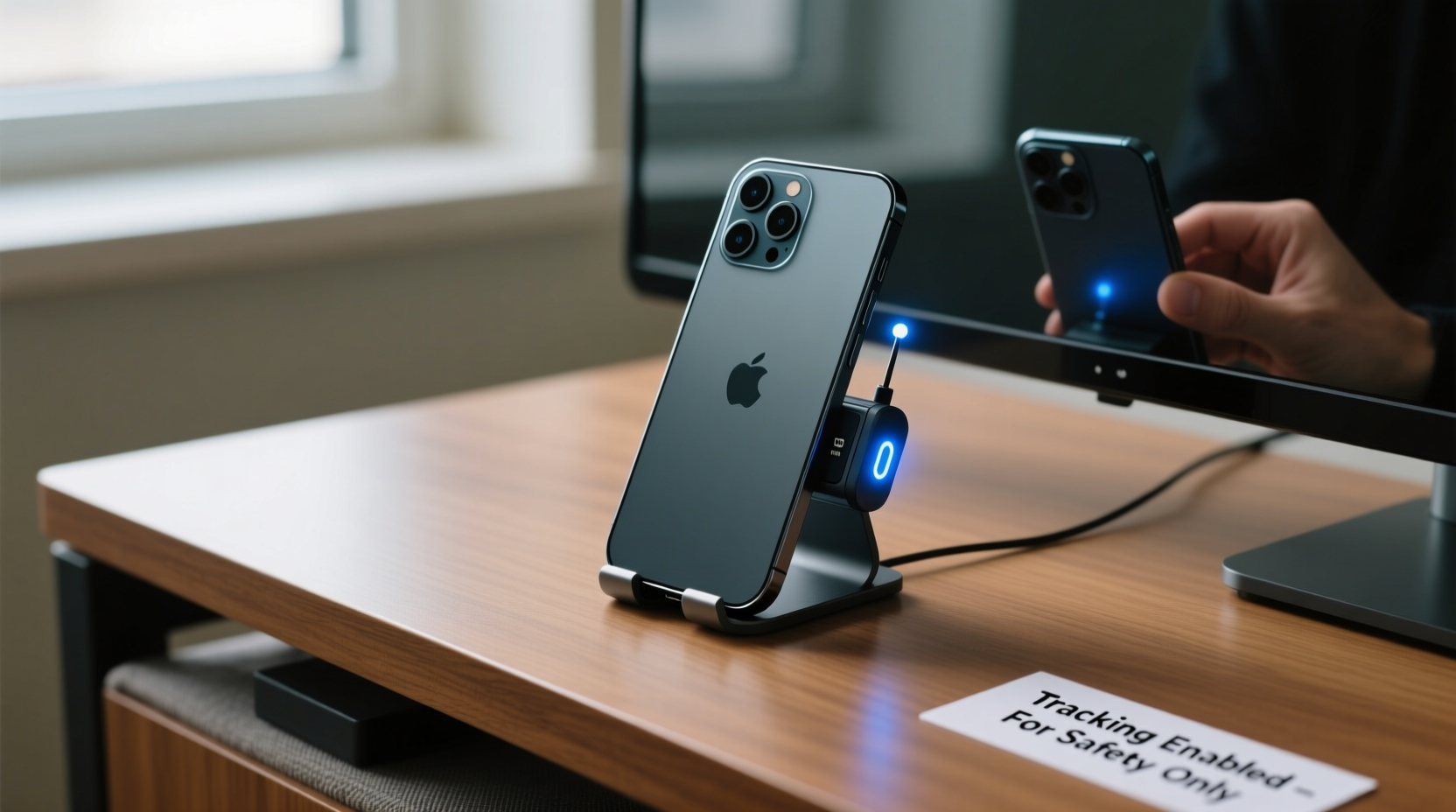
Before exploring technical solutions, it's essential to clarify when tracking is justified. Ethical tracking occurs in specific, well-defined contexts: parents monitoring underage children, employers managing company-owned devices, or individuals safeguarding their own property. In all cases, transparency should be the goal—even if immediate disclosure isn’t practical. For instance, parents may choose not to inform young children about location tracking, but they should plan to explain it as the child matures.
Legally, unauthorized access to another person’s device violates privacy laws in many countries, including the U.S. Electronic Communications Privacy Act (ECPA) and the EU’s General Data Protection Regulation (GDPR). Consent is key. Even within families, tracking adult members without knowledge can lead to legal consequences.
“Responsible digital monitoring means balancing safety with respect. Trust should be preserved, not eroded.” — Dr. Lena Patel, Digital Ethics Researcher, Stanford University
Legitimate Methods for Discreet and Respectful Tracking
The most effective tracking tools are those integrated into operating systems by major tech companies. These are designed with privacy safeguards and work best when set up responsibly.
1. Use Built-in Device Finders
iOS and Android both offer native tracking features that are secure, reliable, and designed for legitimate use cases:
- Find My (Apple): Allows iCloud users to locate iPhones, iPads, Macs, and AirTags. Family Sharing enables parents to monitor children’s devices without invasive third-party apps.
- Find My Device (Google): Works across Android devices, offering real-time location, remote locking, and data wiping—all accessible via web browser.
These services operate in the background with minimal battery drain and are nearly undetectable unless the user checks their settings. They’re ideal for recovering lost phones or ensuring a teen arrives safely at school.
2. Leverage Family Safety Apps
Microsoft Family Safety, Google Family Link, and Apple Screen Time provide structured oversight. These platforms allow caregivers to view location history, set geofences, and receive alerts when a child enters or leaves designated areas—such as home, school, or a friend’s house.
While these apps are visible on the target device, they are framed as protective tools rather than surveillance mechanisms. Their design encourages open dialogue about digital safety.
Step-by-Step Guide: Setting Up Family Link for Responsible Monitoring
Here’s how to configure Google Family Link for a child’s Android device while maintaining respect and transparency:
- Download Google Family Link (parent and child versions) from the Play Store.
- Create or sign in to a Google account for the parent.
- Follow prompts to add the child’s account—this requires physical access to the device.
- Verify age and relationship through Google’s verification process.
- Enable location sharing and adjust permissions (e.g., app usage limits).
- Review activity reports and set geofence alerts for key locations.
- Discuss the setup with the child in an age-appropriate way to build trust.
This process ensures functionality while promoting accountability. The child sees the app, but the level of oversight is calibrated to their maturity.
Do’s and Don’ts of Discreet Phone Tracking
| Do’s | Don’ts |
|---|---|
| Use only on devices you own or have legal authority over | Install spyware on a partner’s personal phone |
| Inform users when they reach adulthood or maturity | Track adults without clear justification and consent |
| Leverage built-in OS tools like Find My or Find My Device | Use hidden apps that bypass user consent |
| Limit access to essential data (location only) | Monitor messages, calls, or browsing history without permission |
| Regularly review whether tracking is still necessary | Continue monitoring indefinitely without reassessment |
Real Example: A Parent’s Responsible Approach
Sarah, a single mother of two teenagers, was concerned about her 14-year-old daughter walking home from school through a busy neighborhood. Instead of secretly installing tracking software, she sat down with her daughter and said, “I worry about your safety, and I’d feel better knowing you got home okay. Can we try using Family Link together?”
She showed her daughter how the app worked, emphasized that it wasn’t about spying, and agreed to disable location tracking once she turned 16 or demonstrated consistent responsibility. Over time, the daughter appreciated the gesture as care, not control. When she forgot her phone at a café, Sarah used the app to locate it—reinforcing its value as a tool for protection, not intrusion.
Checklist: Responsible Phone Tracking Practices
- ✅ Determine if you have legal ownership or guardianship over the device
- ✅ Choose manufacturer-approved tracking tools (e.g., Find My, Family Link)
- ✅ Avoid third-party spy apps that conceal their presence
- ✅ Limit data collection to location only—unless legally justified otherwise
- ✅ Establish an end date or review point for ongoing monitoring
- ✅ Communicate intentions clearly when appropriate
- ✅ Regularly audit access and remove tracking when no longer needed
Frequently Asked Questions
Can I track a phone without them knowing?
Technically, some tools allow stealth installation, but doing so on someone else’s personal device without consent is illegal and unethical. The only acceptable exceptions are for minors using family-shared devices or company-owned equipment with clear policies.
Are there legal alternatives to secret tracking?
Yes. Using built-in tools like Apple’s Find My or Google’s Family Link allows discreet monitoring in appropriate contexts—especially with children. These are legally compliant when used by authorized caregivers and do not require hiding from the user.
What should I do if my spouse refuses tracking?
Tracking a partner’s phone without consent breaches trust and privacy laws. If safety concerns exist (e.g., domestic violence), seek help from legal authorities or support organizations instead of resorting to surveillance.
Conclusion: Balancing Safety and Respect
Effective phone tracking isn’t about invisibility—it’s about intention. The most powerful tools are those that protect without betraying trust. By using official platforms, respecting legal boundaries, and prioritizing open communication, you can ensure safety while honoring personal dignity. Whether guiding a child, managing business devices, or securing your own property, responsible tracking strengthens relationships rather than undermining them.




 浙公网安备
33010002000092号
浙公网安备
33010002000092号 浙B2-20120091-4
Comments
No comments yet. Why don't you start the discussion?