
Waiting 30 seconds or more for hot water to reach the tap is not only frustrating but also a waste of water and energy. Water recirculation pumps eliminate this delay by continuously circulating hot water through your plumbing system, ensuring instant access at every fixture. However, not all pumps deliver the same level of efficiency or noise control. For homeowners seeking comfort, sustainability, and peace, selecting an efficient and quiet water recirculation pump is essential.
The right pump reduces water waste, lowers utility bills, and enhances daily convenience—all while operating so quietly you may forget it’s there. This guide explores top-performing models, key selection criteria, real-world applications, and practical steps to integrate a high-efficiency recirculation system into your home.
Why Efficiency and Quiet Operation Matter
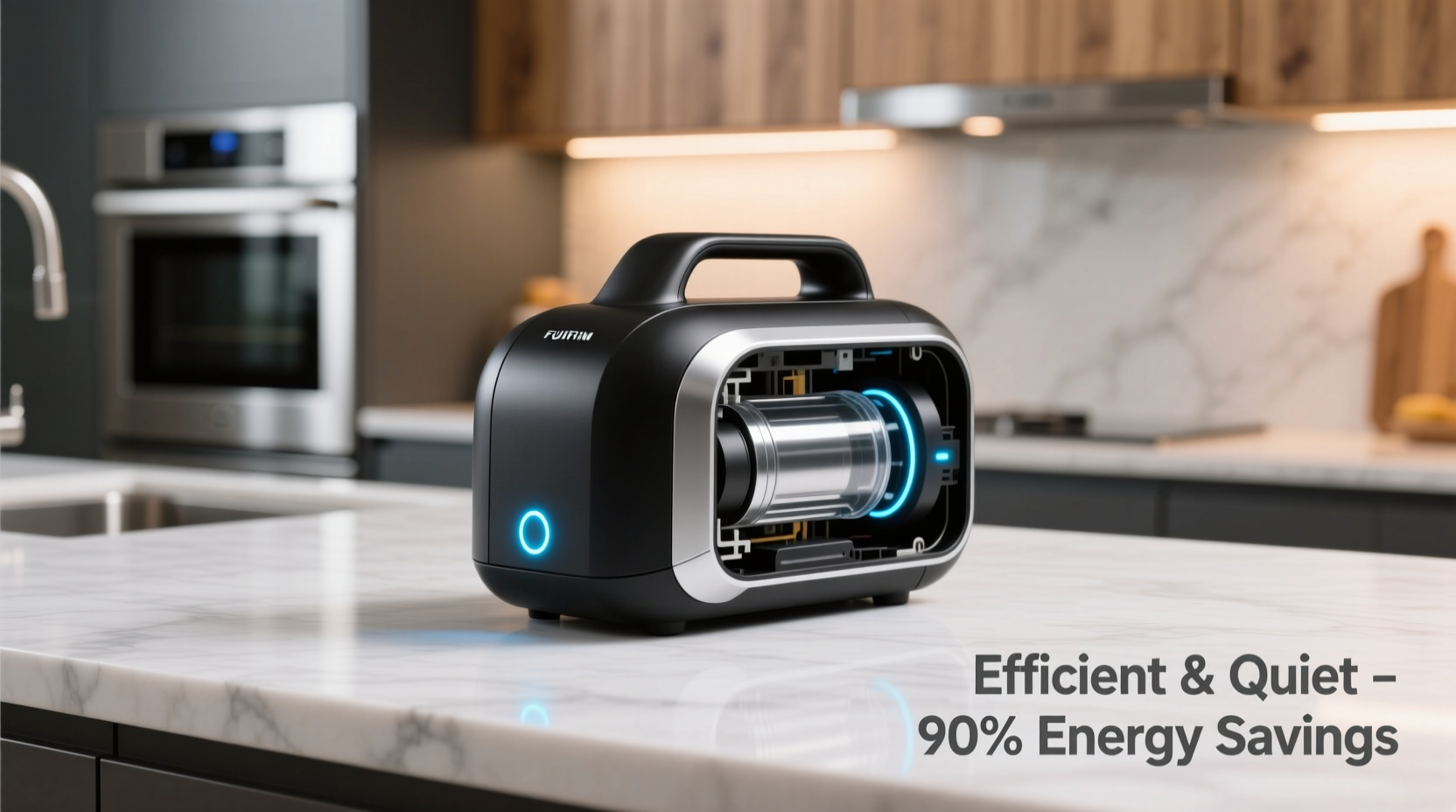
Efficiency in a recirculation pump refers to how effectively it moves water using minimal electricity and heat loss. A high-efficiency pump consumes less power, integrates well with tankless water heaters, and often includes smart controls that reduce runtime. These features translate into lower operating costs and reduced environmental impact.
Equally important is noise level. Traditional pumps can emit humming, buzzing, or vibrating sounds disruptive in quiet homes—especially when installed near bedrooms or living areas. Modern low-noise designs use brushless motors, insulated housings, and advanced hydraulics to operate below 45 decibels, comparable to a whisper.
“Quiet, energy-smart recirculation systems are no longer luxury add-ons—they’re essential components of modern, sustainable plumbing.” — Dr. Alan Reeves, Plumbing Systems Engineer, ASPE
Top Features of High-Performance Recirculation Pumps
When evaluating options, focus on these core attributes to ensure both efficiency and silence:
- Brushless DC Motors (ECM): Use up to 80% less energy than traditional AC motors and generate significantly less heat and vibration.
- Integrated Timer or Thermostat Control: Prevents unnecessary cycling by activating only during peak usage times or when water temperature drops.
- Smart Connectivity: Wi-Fi-enabled pumps allow remote scheduling via smartphone apps, adapting to household routines.
- Low Decibel Rating: Look for pumps rated under 45 dB; some premium models operate as low as 38 dB.
- Compact Design: Smaller units fit easily under sinks or in tight mechanical spaces without requiring major retrofitting.
- Compatibility with Tankless Heaters: Not all pumps work efficiently with on-demand systems. Choose models specifically designed for variable flow rates.
Comparison of Leading Quiet and Efficient Models
| Model | Motor Type | Noise Level (dB) | Energy Use (Watts) | Smart Features | Tankless Compatible |
|---|---|---|---|---|---|
| Grundfos UP 15-22 SU | ECM | 42 | 8–15 | No | Yes |
| Bosch 1600G Recirculator | ECM | 39 | 10 | Timer + Temp Sensor | Yes |
| Uponor ACT-2 System | AC Motor | 48 | 40 | On-Demand Button | Limited |
| LAING Diverter Plus | ECM | 38 | 7–12 | Wi-Fi App Control | Yes |
| Recirculating Pump Kit by Taco | AC Motor | 46 | 35 | Programmable Timer | Yes |
As shown, ECM-powered units like the Grundfos UP series and LAING Diverter Plus lead in both efficiency and noise reduction. The LAING model stands out for its app-based control, allowing users to customize schedules based on occupancy patterns.
Step-by-Step: Installing a Low-Noise Recirculation System
Proper installation ensures optimal performance and minimizes operational sound. Follow this sequence for best results:
- Assess Your Plumbing Layout: Determine whether your system uses a dedicated return line or relies on the cold-water line for return flow (via a crossover valve).
- Select Mounting Location: Attach the pump near the water heater outlet or at the furthest fixture if using point-of-use setups.
- Shut Off Power and Water Supply: Safety first—turn off electricity to the water heater and close main water valves.
- Install the Pump: Connect inlet/outlet ports using dielectric unions to prevent galvanic corrosion. Secure with mounting brackets to reduce vibration.
- Add Insulation: Wrap nearby pipes with foam insulation to maintain temperature and dampen sound transmission.
- Set Controls: Program timers to activate 15 minutes before typical morning/evening use (e.g., 6–8 AM, 5–9 PM). Avoid continuous operation unless necessary.
- Test and Listen: Run the system and listen from adjacent rooms. Any rattling indicates loose fittings or insufficient isolation.
Real-World Example: Retrofitting a Two-Story Home
A family in Portland, Oregon upgraded their 2,800-square-foot home with a Bosch 1600G recirculation pump after consistently wasting over 3 gallons per shower waiting for hot water. Their tankless heater struggled with lag due to long pipe runs upstairs.
The plumber installed the pump at the water heater with a built-in thermostat and set it to maintain loop temperature between 95°F and 105°F. By activating only when needed, the system cut wait time to under 5 seconds and reduced water waste by 8,000 gallons annually. Neighbors reported no audible noise, even though the mechanical closet shared a wall with a bedroom.
“We didn’t realize how much water we were wasting until we measured it,” said homeowner Lisa Tran. “Now the kids don’t leave the tap running, and our utility bills dropped.”
Checklist: Choosing the Right Pump for Your Home
- ☐ Confirm compatibility with your existing water heater (tank or tankless)
- ☐ Prioritize ECM or brushless motor technology
- ☐ Check decibel rating—ideally below 45 dB
- ☐ Decide between timer, thermostat, or demand-based activation
- ☐ Verify ease of integration with current plumbing layout
- ☐ Look for ENERGY STAR-rated or similarly certified models
- ☐ Consider Wi-Fi capability for adaptive scheduling
- ☐ Ensure availability of local service and warranty support
Frequently Asked Questions
Do recirculation pumps increase my electric bill?
Modern high-efficiency pumps consume as little as 7–15 watts during operation—less than a nightlight. When paired with timers or sensors, they typically add only $1–$3 per month to electricity costs, offset by savings in water and gas usage.
Can I install a recirculation pump myself?
If you have intermediate plumbing skills and are comfortable working with electrical connections and soldering copper pipes, DIY installation is possible. However, improper setup can cause noise, leaks, or damage to tankless heaters. Most manufacturers recommend professional installation for warranty validity and safety.
Are there alternatives to continuous recirculation?
Yes. On-demand systems use push-button or motion-sensor activation to circulate water only when needed, eliminating standby energy loss. These are ideal for vacation homes or low-occupancy scenarios.
Final Recommendations and Next Steps
The best water recirculation pump balances silent operation with intelligent efficiency. Models like the LAING Diverter Plus and Bosch 1600G represent the current standard, combining whisper-quiet performance with smart scheduling and low power draw. For new builds or renovations, consider integrating the system early to optimize piping routes and insulation.
Homeowners should evaluate their daily routines, plumbing configuration, and water heating type before choosing a model. Investing in a premium, quiet pump pays dividends in comfort, conservation, and long-term savings.




 浙公网安备
33010002000092号
浙公网安备
33010002000092号 浙B2-20120091-4
Comments
No comments yet. Why don't you start the discussion?