
Maintaining a weed-free lawn or garden requires more than just the right herbicide—it demands precision application. A high-quality weedkiller sprayer ensures even coverage, reduces chemical waste, and protects surrounding plants from overspray. Whether you're managing a small backyard or a large agricultural plot, selecting an efficient and reliable sprayer is essential for consistent results and long-term value.
The market offers numerous options: handheld models, backpack sprayers, pull-behind units, and motorized systems. But not all are created equal. Efficiency hinges on spray pattern control, tank durability, pump consistency, and ease of maintenance. Reliability depends on build quality, resistance to chemical corrosion, and ergonomic design. The best sprayers balance these factors while adapting to different terrains, vegetation densities, and user needs.
Key Features of High-Performance Weedkiller Sprayers
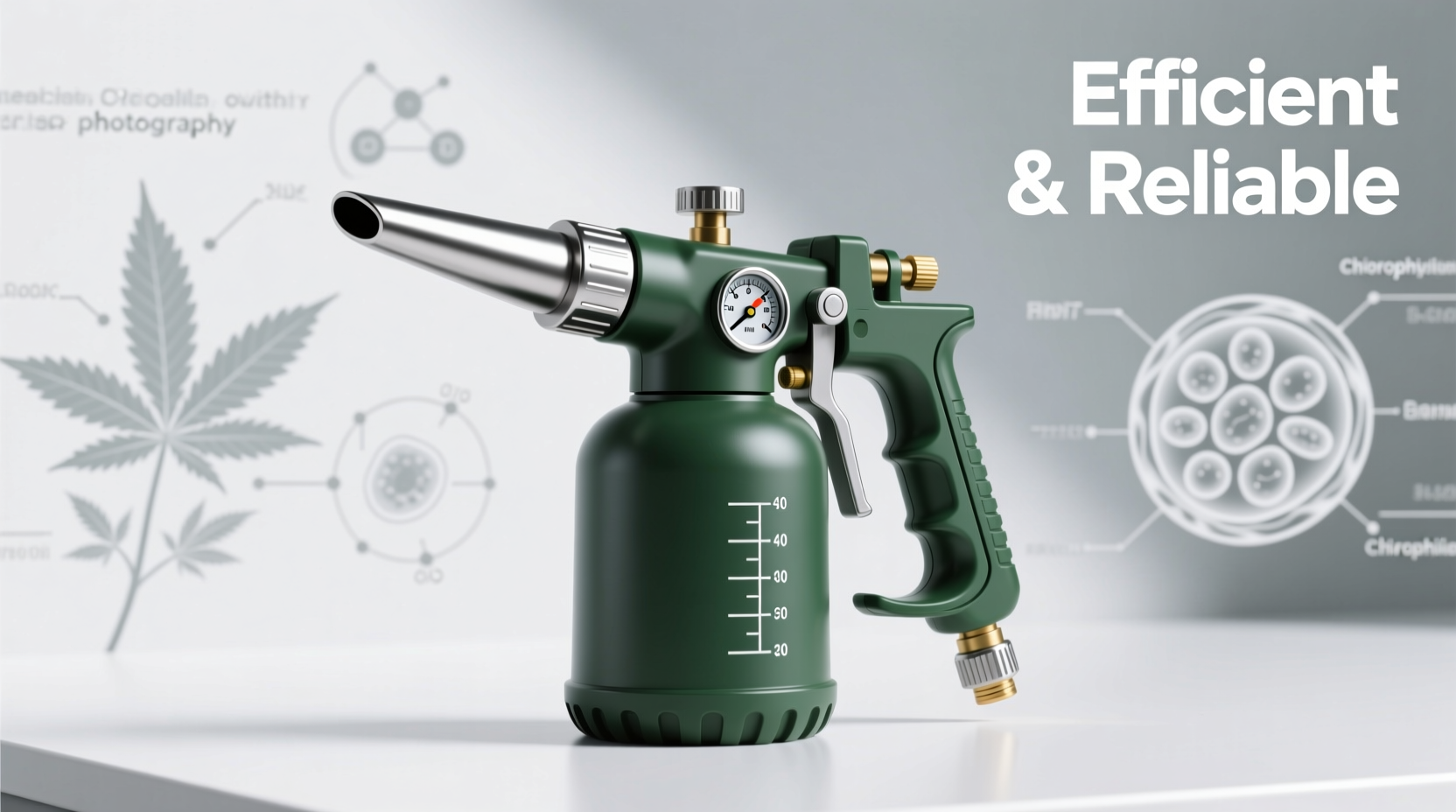
A top-tier sprayer isn't defined by price alone. It's determined by how well it performs under real-world conditions. The most effective models share several core characteristics that contribute to both efficiency and dependability.
- Precision Nozzles: Adjustable fan, cone, or flat-stream nozzles allow targeted application, minimizing drift and protecting non-target plants.
- Durable Tanks: Made from UV-resistant polyethylene or reinforced plastic to resist cracking and chemical degradation over time.
- Consistent Pressure Systems: Either hand-pump, battery-powered, or engine-driven pumps that maintain steady pressure across large areas.
- Ergonomic Design: Padded straps, balanced weight distribution, and easy-fill caps reduce fatigue during extended use.
- Chemical Compatibility: Seals, gaskets, and internal components made from Viton or other resistant materials to withstand glyphosate, 2,4-D, and other common herbicides.
Choosing the Right Type for Your Needs
The ideal sprayer depends on the scale and frequency of your weed control tasks. Each type has strengths suited to specific applications.
| Type | Best For | Pros | Cons |
|---|---|---|---|
| Handheld Sprayer | Small gardens, patios, spot treatment | Affordable, portable, easy to store | Limited capacity, frequent refills needed |
| Backpack Sprayer | Medium lawns, landscaping, orchards | Balanced weight, larger tank (up to 4 gallons), better reach | Heavier when full, requires shoulder strength |
| Pull-Behind Sprayer | Large yards, fields, commercial use | Holds 15–100+ gallons, wide spray swath, attaches to ATV/tractor | Requires vehicle, less maneuverable in tight spaces |
| Motorized Backpack Sprayer | Professional landscapers, steep terrain | Automatic pressure, reduces hand fatigue, consistent output | Higher cost, needs battery maintenance |
“Uniform application is critical. A poorly maintained sprayer can apply 30% more herbicide in one area than another—wasting chemicals and risking plant damage.” — Dr. Alan Reyes, Agricultural Extension Specialist, University of Vermont
Step-by-Step Guide to Maximizing Sprayer Longevity
Even the best sprayer will fail prematurely without proper care. Follow this routine to ensure years of reliable service.
- Pre-Use Inspection: Check hoses, seals, and nozzles for cracks or debris. Ensure the pump builds pressure smoothly.
- Correct Mixing: Follow herbicide label instructions precisely. Use clean water and mix in a separate container before transferring to avoid residue buildup.
- Apply at Optimal Conditions: Spray during low wind (<5 mph), moderate temperatures (60–80°F), and when rain isn’t expected within 6 hours.
- Rinse Immediately After Use: Run clean water through the system for at least 30 seconds. Flush the tank, hose, and nozzle thoroughly.
- Store Properly: Keep the sprayer in a cool, dry place with the tank empty and cap loosened slightly to relieve pressure.
- Schedule Deep Cleaning: Every 10–15 uses, disassemble the nozzle and soak parts in warm water to remove mineral deposits.
Real-World Example: Managing Invasive Weeds on a 2-Acre Property
Mark T., a property manager in Oregon, struggled with creeping buttercup and thistle overtaking his client’s rural estate. He initially used a basic handheld sprayer but found it inefficient—taking over four hours per treatment and delivering inconsistent results due to fluctuating pressure.
After switching to a 4-gallon motorized backpack sprayer with adjustable nozzles and lithium-ion power, his application time dropped to 75 minutes. The steady spray pattern eliminated missed spots, and he reduced herbicide usage by 22% due to improved accuracy. Over two growing seasons, weed recurrence fell by nearly 70%, and client satisfaction increased significantly.
“The upfront cost was higher,” Mark said, “but I recouped it in saved labor and chemical costs within five months.”
Essential Checklist Before Purchasing a Weedkiller Sprayer
Before investing in a new sprayer, verify these key points to ensure efficiency and reliability:
- ✅ Tank material is chemical-resistant (e.g., polyethylene)
- ✅ Nozzle type is adjustable and replaceable
- ✅ Pump maintains consistent pressure (test if possible)
- ✅ Hoses are kink-resistant and long enough for your reach needs
- ✅ Strainer/filter included to prevent clogging
- ✅ Comfortable carrying system (straps, handles, weight balance)
- ✅ Manufacturer offers replacement parts and warranty support
- ✅ Easy to clean and disassemble for maintenance
Frequently Asked Questions
Can I use the same sprayer for different types of chemicals?
Only if thoroughly cleaned between uses. Residue from one herbicide can react with another, damaging plants or reducing effectiveness. Ideally, dedicate one sprayer solely to herbicides and label it clearly.
How often should I replace the nozzle?
Nozzles typically last 20–30 uses under normal conditions. Replace them if you notice uneven spray patterns, dripping, or reduced flow—even slight wear affects application accuracy.
Why does my sprayer lose pressure quickly?
This usually indicates a damaged seal, cracked hose, or worn pump diaphragm. Inspect all connections and O-rings. If the issue persists, contact the manufacturer for repair kits or consider upgrading to a model with a longer-lasting pump system.
Final Thoughts and Call to Action
Selecting an efficient and reliable weedkiller sprayer isn’t about buying the cheapest or most powerful option—it’s about matching performance, durability, and usability to your specific environment and workload. From homeowners tackling dandelions to professionals managing large-scale invasives, the right sprayer enhances safety, saves money, and delivers superior results.
Take inventory of your current equipment. Is it causing frustration, inconsistent kills, or frequent repairs? Consider upgrading to a model that meets the standards outlined here. Invest in quality, maintain it diligently, and you’ll see the difference in every evenly sprayed row and weed-free bed.




 浙公网安备
33010002000092号
浙公网安备
33010002000092号 浙B2-20120091-4
Comments
No comments yet. Why don't you start the discussion?