
Accidents happen—especially in homes with young children, pets, or guests feeling unwell. When vomit lands on your carpet, immediate and correct action can mean the difference between a fully restored floor and a permanent stain or odor. Cleaning puke off carpet isn’t just about removing visible mess; it’s about eliminating proteins, bacteria, and odors at a molecular level. This guide outlines efficient, science-backed techniques to restore your carpet quickly, hygienically, and without damage.
Why Immediate Action Matters
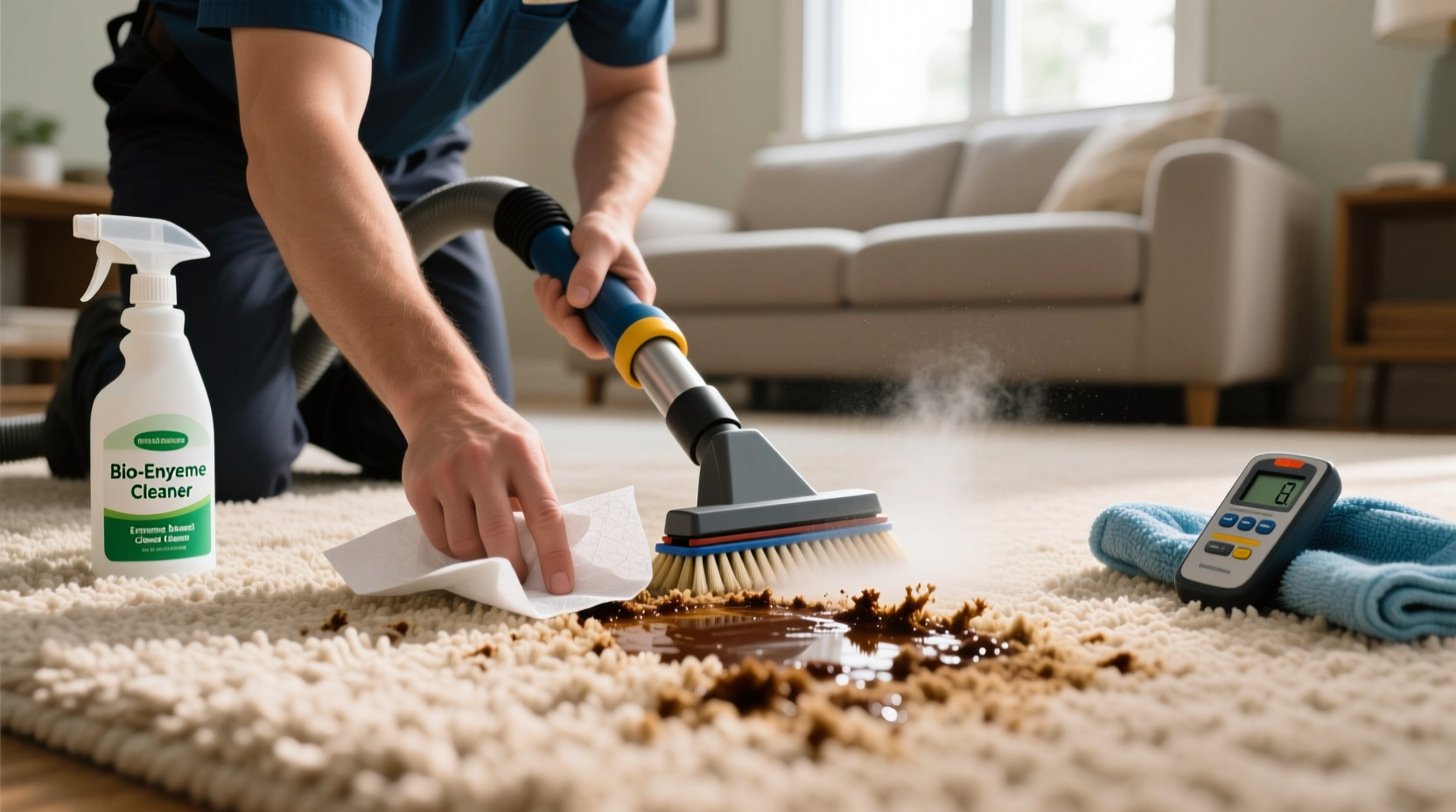
Vomit contains proteins, acids, and bacteria that begin breaking down carpet fibers almost immediately. The longer it sits, the deeper it penetrates, increasing the risk of staining, discoloration, and persistent smells. Synthetic carpets like nylon or polyester may resist absorption slightly better than natural fibers like wool, but all types are vulnerable if not treated promptly.
Moreover, dried vomit becomes harder to remove and can attract pests or encourage mold growth in humid environments. Acting within minutes—not hours—is essential for optimal results.
Step-by-Step Guide: Removing Fresh Vomit from Carpet
The following timeline outlines the most effective sequence for handling fresh incidents. Follow each step carefully to maximize cleanliness and minimize fiber damage.
- Wear protective gloves – Vomit can carry viruses (like norovirus) or bacteria. Protect your hands before touching anything.
- Blot, don’t rub – Use paper towels or a clean cloth to gently press down and absorb as much liquid as possible. Rubbing spreads the mess and pushes it deeper into the backing.
- Scrape solids carefully – If chunks remain, use a spoon or dull knife to lift them into a disposable bag. Avoid pressing down.
- Rinse with cold water – Dampen a clean cloth with cold water and blot the area. Warm or hot water can set protein-based stains.
- Apply a cleaning solution – Use one of the recommended mixtures below (see table) and apply sparingly.
- Blot again until clear – Continue using dry cloths to absorb the cleaning solution and residue.
- Dry thoroughly – Use a fan or open windows to speed drying. Moisture left behind invites mildew.
Recommended Cleaning Solutions
| Solution | Mix Ratio | Best For | Notes |
|---|---|---|---|
| Dish soap + water | 1 tsp clear dish soap per 1 cup cold water | Fresh stains, synthetic carpets | Avoid colored soaps; rinse well to prevent residue. |
| Vinegar + water | 1 part white vinegar to 2 parts water | Odor removal, natural fibers | Test first; acidic nature may affect some dyes. |
| Baking soda + hydrogen peroxide | 2 tbsp baking soda + ½ cup 3% H₂O₂ | Tough stains and odors | Do not use on wool; may bleach dark colors. |
| Enzyme cleaner | As directed on label | All types, especially biological messes | Most effective for breaking down proteins and odors. |
Common Mistakes That Worsen the Situation
Even with good intentions, many people make errors that compromise carpet integrity or reduce cleaning effectiveness.
- Using hot water – Sets protein stains permanently.
- Over-wetting the carpet – Saturating the backing leads to mold and delamination.
- Skipping the blotting step – Applying cleaners over undisturbed vomit just creates a larger, soapy mess.
- Using bleach indiscriminately – Can discolor fibers and produce toxic fumes when mixed with stomach acid residues.
- Ignoring ventilation – Trapped moisture breeds bacteria and musty smells.
“Protein-based stains like vomit require enzymatic breakdown. Most household cleaners don’t address this—only enzyme formulas do.” — Dr. Linda Chen, Textile Microbiologist, Clean Living Institute
Handling Dried or Old Vomit Stains
If the incident wasn’t discovered immediately, dried vomit requires rehydration before extraction. Gently sprinkle cold water over the area to loosen crusts, then proceed with the standard blotting and cleaning steps. For stubborn residues:
- Moisten the spot with cold water and cover with a damp cloth for 10–15 minutes.
- Once softened, scrape gently and blot excess.
- Apply an enzyme-based cleaner and let sit for 15 minutes (not longer, to avoid fiber damage).
- Blot thoroughly and dry with airflow.
In cases where discoloration remains, consider using a carpet-safe color restorer or consult a professional cleaner—especially for large or high-traffic areas.
Mini Case Study: Quick Cleanup Prevents Long-Term Damage
In a suburban home with two toddlers, a 3-year-old became ill late one evening, vomiting on the living room’s light beige Berber carpet. The parent responded within five minutes: wearing gloves, they blotted with paper towels, scraped solids, and applied a mixture of dish soap and cold water. After rinsing with a damp cloth and blotting dry, they sprinkled baking soda and ran a fan for three hours.
By morning, no stain remained, and there was no odor. Neighbors who had faced similar situations reported lasting stains and recurring smells—often because they waited too long or used warm water. This case highlights how timing and method matter more than the severity of the initial mess.
When to Call a Professional
While most vomit incidents can be handled at home, certain conditions warrant expert intervention:
- The spill covers more than 2 square feet.
- There’s evidence of mold or prior water damage beneath the carpet.
- The vomit came from someone with a contagious illness (e.g., norovirus, food poisoning).
- Home treatments failed, and odors persist despite repeated cleaning.
Professional steam cleaning or encapsulation services use hospital-grade disinfectants and industrial extractors to deep-clean both carpet and padding. They also apply antimicrobial sealers to prevent future microbial growth.
FAQ
Can I use a carpet shampooer on vomit stains?
Yes, but only after pre-treating the area and ensuring all solids are removed. Using a machine too early can spread contamination through the entire unit. Always follow with an enzyme treatment for full sanitation.
Will vinegar remove the smell of vomit?
Vinegar neutralizes many odors due to its acidity, but it doesn’t break down proteins. It helps temporarily, but for complete odor elimination, an enzyme cleaner is necessary to digest organic matter.
Is it safe to mix hydrogen peroxide and vinegar for carpet cleaning?
No. Mixing these creates peracetic acid, which is corrosive and harmful to skin, eyes, and respiratory systems. Use them separately, never combined.
Checklist: Emergency Vomit Cleanup Protocol
- ✅ Put on disposable gloves
- ✅ Blot up liquid with paper towels
- ✅ Scrape off solids gently
- ✅ Apply cold water to rehydrate dried areas
- ✅ Use appropriate cleaner (enzyme preferred)
- ✅ Blot until liquid is clear
- ✅ Dry completely with fan or dehumidifier
- ✅ Dispose of waste in sealed bag
- ✅ Wash hands thoroughly afterward
Conclusion
Cleaning puke off carpet efficiently isn’t about having the fanciest products—it’s about acting fast, using the right techniques, and understanding how organic stains behave. From immediate blotting to choosing enzyme-based solutions, every step plays a role in protecting your home’s hygiene and appearance. Whether dealing with a child’s sudden sickness or a pet accident, being prepared means you can handle it calmly and effectively.




 浙公网安备
33010002000092号
浙公网安备
33010002000092号 浙B2-20120091-4
Comments
No comments yet. Why don't you start the discussion?