
Grating carrots is a common kitchen task, but doing it poorly can lead to uneven shreds, wasted time, or even injury. Whether you're preparing a salad, baking carrot cake, or adding vegetables to a stir-fry, achieving consistent, fine shreds enhances both flavor and texture. The key isn’t just effort—it’s technique, tool selection, and preparation. With the right approach, grating carrots becomes fast, safe, and satisfyingly precise.
Choose the Right Tool for the Job
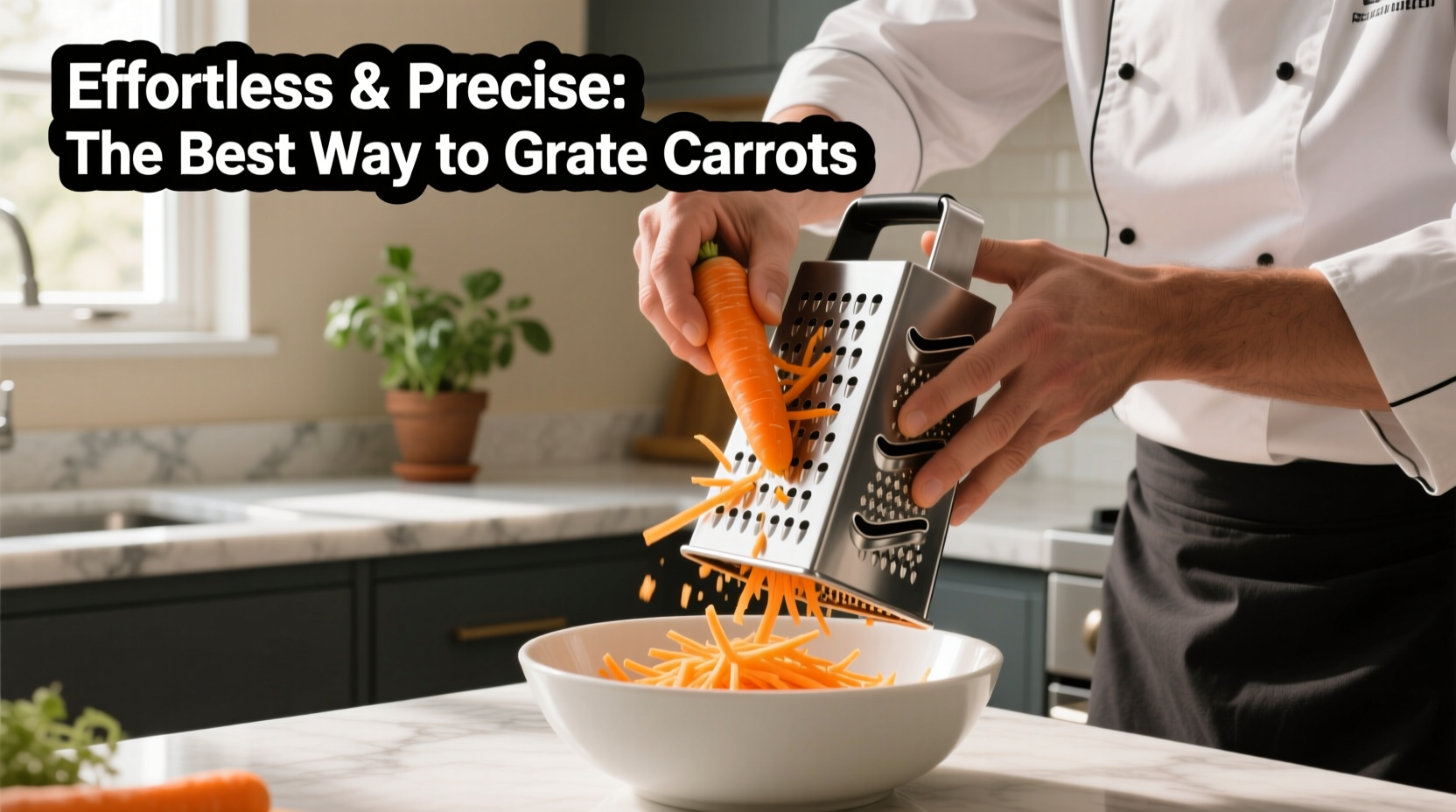
The first step toward effortless grating is selecting the appropriate tool. Not all graters are created equal, and each type serves a different purpose. Using the wrong one can turn a simple task into a frustrating chore.
| Tool Type | Best For | Drawbacks |
|---|---|---|
| Box Grater | Versatile; multiple sides for coarse, fine, and slicing | Bulky; fingers at risk on narrow sides |
| Microplane | Fine, soft shreds (ideal for baking) | Not suitable for large volumes; fragile edges |
| Food Processor | Large batches quickly | Overkill for small tasks; cleanup required |
| Handheld Rotary Grater | Speed and safety; ergonomic design | Limited shred size options |
For most home cooks, a box grater with a comfortable handle and non-slip base offers the best balance of control and versatility. Look for one with a wide, stable footprint and sharp, stainless steel blades that resist clogging.
Prep Carrots Like a Pro
How you prepare the carrots before grating affects both speed and consistency. Skipping this step leads to awkward handling and irregular shreds.
- Wash thoroughly: Carrots grow in soil and often carry grit. Scrub them under running water with a vegetable brush.
- Peel (optional): Peeling removes bitterness and ensures uniform texture, especially important in baked goods. However, unpeeled carrots retain more fiber and nutrients if washed well.
- Cut to fit: Trim off the stem and root ends. Cut longer carrots into 3–4 inch segments to improve grip and reduce slipping.
- Dry well: Moisture makes carrots slippery. Pat them dry with a clean towel before grating.
Uniform pieces allow for steady pressure and smoother movement across the grater surface. This reduces hand fatigue and minimizes the risk of slipping—a common cause of kitchen cuts.
Master the Technique: Speed, Safety, and Consistency
Even with the best tools, poor technique undermines results. The goal is precision without strain. Follow these steps for optimal performance:
- Secure the grater on a stable surface. Place a damp towel underneath if it tends to slide.
- Hold the carrot firmly at both ends using your fingertips and thumb, keeping knuckles away from the blade.
- Apply even downward pressure while moving the carrot in straight lines across the grating surface.
- Rotate the piece slightly as it shortens to maintain control.
- Stop when about an inch remains—this prevents finger exposure to the blade.
Use a guard or pusher if available. Some modern graters come with plastic protectors that let you finish grating the last portion safely.
“Consistent pressure and proper hand positioning make the difference between messy pulp and restaurant-quality shreds.” — Chef Marcus Lin, Culinary Instructor at Pacific Kitchen Academy
Avoid Common Mistakes
- Pressing too hard: Excessive force dulls blades faster and increases slippage risk.
- Using circular motions: This wears down edges unevenly and produces inconsistent shreds.
- Ignoring blade direction: Always grate along the grain of the blade, not sideways.
- Leaving wet carrots: Water weakens structural integrity, leading to mushiness.
When to Use a Food Processor (And When Not To)
For recipes requiring cups of grated carrots—like muffins, casseroles, or coleslaw—a food processor saves significant time. Fit it with the shredding disc and pulse in batches for best results.
However, over-processing leads to mush. Stop once the carrots reach desired consistency. Remove any large chunks and reprocess only if necessary.
Reserve the food processor for large quantities. For one or two carrots, manual grating is faster when you account for setup and cleanup time.
Mini Case Study: Meal Prep Efficiency
Sarah, a working parent in Portland, used to spend 20 minutes prepping vegetables every Sunday. After switching from a worn handheld grater to a high-quality box grater with a collection tray, she reduced her carrot prep time by half. By chilling the carrots beforehand and using short, firm strokes, she achieved consistent shreds ideal for freezing and later use in soups and baked goods. “It sounds minor,” she says, “but having perfectly grated carrots ready made weekday dinners feel less overwhelming.”
Storage and Use of Grated Carrots
Freshly grated carrots lose moisture quickly. To preserve texture and nutrition:
- Store in an airtight container lined with a paper towel to absorb excess moisture.
- Refrigerate for up to 4 days.
- Freeze for longer storage (up to 3 months), though texture softens upon thawing—best for cooked dishes.
Blanching before freezing helps retain color and slows oxidation, but it's optional for short-term frozen use in cooking.
Checklist: Perfect Carrot Grating in 6 Steps
- Wash and scrub carrots thoroughly.
- Trim ends and cut into manageable 3–4 inch lengths.
- Peel (if desired) and pat dry.
- Chill briefly for firmer texture (optional).
- Select the appropriate grater side (fine for baking, coarse for salads).
- Grate with steady, straight pressure, using a guard for safety.
FAQ
Can I grate carrots in advance?
Yes. Grated carrots can be stored in the refrigerator for up to four days. Keep them in a sealed container with a paper towel to absorb moisture and prevent sogginess.
Why do my grated carrots turn brown or dry?
Oxidation and moisture loss are common causes. Exposure to air degrades color and texture. Store promptly and minimize air contact. Adding a squeeze of lemon juice can help preserve color if storing longer than a day.
Is there a way to grate carrots without a grater?
In a pinch, a sharp knife and julienne cut followed by fine chopping can mimic shredded texture, but it’s far less efficient. A mandoline with a shredding blade is another alternative, though it requires caution.
Conclusion: Precision Meets Simplicity
Grating carrots doesn’t need to be tedious or risky. With the right tool, proper prep, and mindful technique, you can achieve restaurant-grade results in minutes. The secret lies not in speed alone, but in consistency—of cut, pressure, and preparation. Once mastered, this skill elevates everything from weekday meals to special occasion desserts.




 浙公网安备
33010002000092号
浙公网安备
33010002000092号 浙B2-20120091-4
Comments
No comments yet. Why don't you start the discussion?