
A well-set dining table reflects thoughtfulness, attention to detail, and a sense of hospitality. While much focus goes into tableware, centerpieces, and seating, one often-overlooked element can make or break the experience: the humble napkin. How it's presented—whether crumpled in a pile or neatly tucked into an elegant holder—impacts both usability and ambiance. The right tissue holder does more than store napkins; it elevates the table’s design while ensuring effortless access during meals.
Napkin organization is not just about tidiness—it's about streamlining the dining experience. When done right, it removes clutter, reduces waste, and adds a touch of sophistication. This guide explores how to maximize dining table tissue holders by balancing form and function, offering actionable strategies for home hosts, restaurant managers, and anyone who values a polished table setting.
The Role of Napkin Holders in Table Design
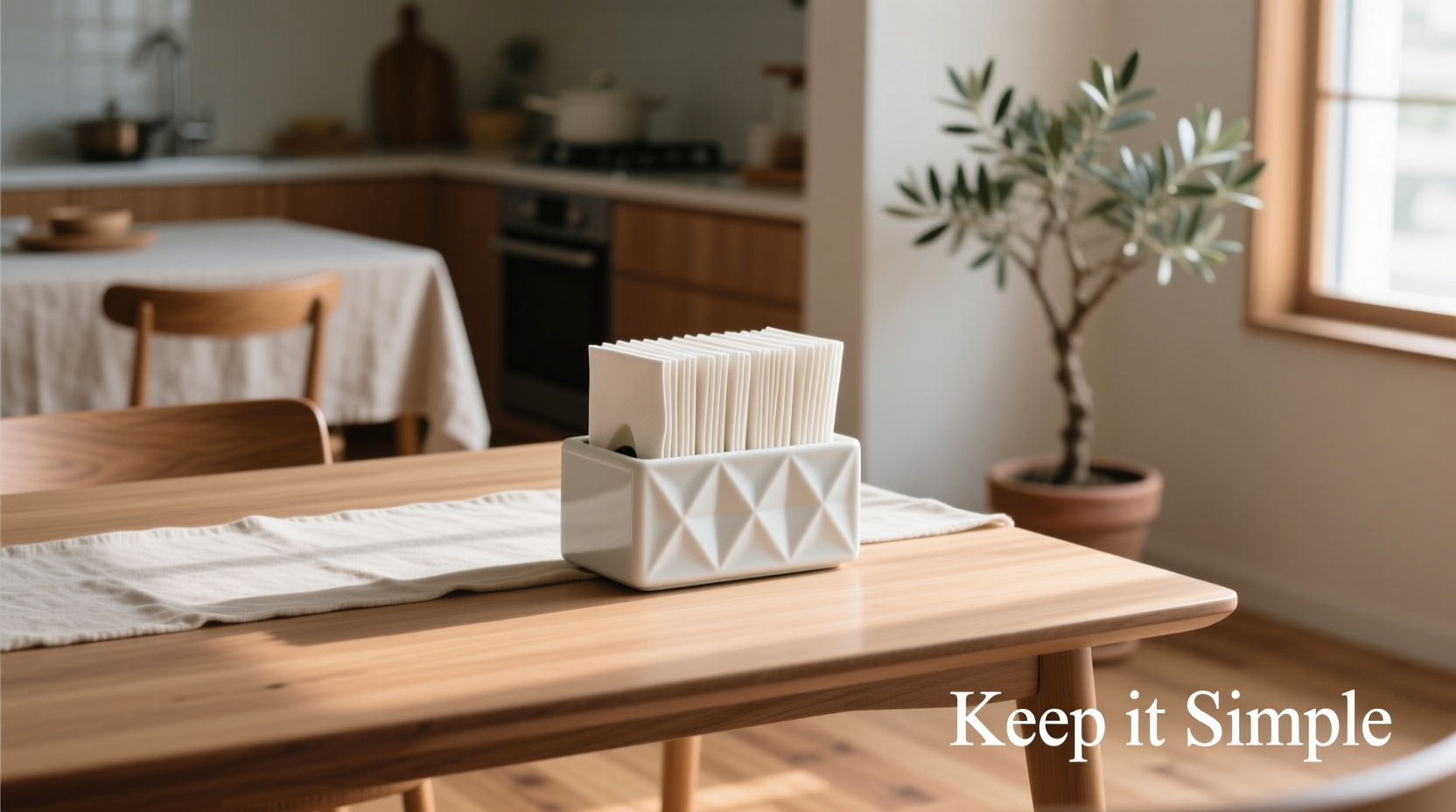
Napkin holders are more than utilitarian objects—they’re subtle design elements that contribute to the overall aesthetic of a dining space. A well-chosen holder anchors the place setting, complements the table theme, and signals intentionality. In formal settings, fabric napkins folded in silver rings convey elegance. In casual environments, paper napkins in minimalist dispensers maintain cleanliness without sacrificing charm.
Functionally, a good holder prevents napkins from scattering, minimizes exposure to dust or moisture, and ensures each guest has easy access. Without one, napkins tend to be overused or misplaced, leading to unnecessary waste and inconvenience. The best designs merge invisibility with utility—present when needed, unobtrusive when not.
Choosing the Right Holder: Style Meets Practicality
Selecting a napkin holder isn't just about appearance—it requires understanding your dining habits, table size, and usage frequency. Consider these factors when evaluating options:
- Capacity: High-traffic tables benefit from larger holders that reduce refill frequency.
- Accessibility: Open-top or flip-lid designs allow quick grabs; slot dispensers control portion use.
- Material: Ceramic offers elegance but is fragile; bamboo provides warmth and sustainability; stainless steel resists wear and tear.
- Size: Proportion matters. Oversized holders overwhelm small tables; tiny ones look out of place on banquet setups.
For everyday family meals, a low-profile bamboo box with a hinged lid keeps things tidy. For dinner parties, a handcrafted ceramic tower with engraved detailing doubles as a centerpiece. Commercial spaces may prefer stackable acrylic dispensers that are hygienic and easy to sanitize.
“Design should never compromise function, especially at the dining table. A napkin holder must be intuitive—visible enough to find, discreet enough not to dominate.” — Clara Mendez, Interior Stylist & Tabletop Consultant
Smart Placement Strategies for Maximum Efficiency
Even the most beautiful holder fails if poorly placed. Optimal positioning ensures convenience without disrupting flow. Follow these spatial guidelines:
- Centerpiece Integration: If using a centerpiece, position the napkin holder adjacent to it, not behind. Guests should reach forward, not lean across floral arrangements.
- Per-Guest vs. Communal: Individual napkin rings work well for assigned seating. Shared central holders suit buffet-style or open-seating arrangements.
- Height Awareness: Avoid tall holders that obstruct eye contact. Keep them under 6 inches unless part of a deliberate tiered display.
- Traffic Flow: On long tables, place holders every 4–6 seats to prevent guests from passing items down the line.
| Setting Type | Recommended Holder Style | Placement Tip |
|---|---|---|
| Family Dinner | Bamboo or fabric-covered box | Near salt/pepper set for symmetry |
| Dinner Party | Ceramic cylinder or metal ring stack | At each cover, under fork or beside plate |
| Outdoor BBQ | Weighed-down wire or stone base | Shaded area to prevent sun bleaching |
| Restaurant Dining | Stainless steel slot dispenser | One per two guests, aligned with cutlery |
Step-by-Step Guide to Organizing Napkins Daily
Maintaining order doesn’t require effort—just consistency. Implement this simple routine to keep napkins accessible and presentable:
- Sort by Type: Separate cloth and paper napkins. Store reusable ones clean and pressed; keep disposables sealed until use.
- Fold Uniformly: Use standard folds—rectangle, triangle, or fan—to create visual cohesion.
- Load the Holder: Insert napkins vertically in dispensers; stack horizontally in open trays. Never overstuff.
- Position Strategically: Place the filled holder on the table during setup, ensuring even spacing.
- Refill Proactively: Check levels before each meal. Replace soiled or damp napkins immediately.
Real-World Example: A Weekend Brunch Makeover
Sarah, a host known for her Sunday brunches, noticed guests often grabbed multiple napkins or left them bunched near plates. After observing behavior, she replaced a decorative but shallow bowl with individual linen napkins folded into handmade walnut rings. She placed them just left of each plate, aligned with the forks.
The change had immediate impact. Guests appreciated the personal touch, waste dropped by nearly 40%, and cleanup became easier since used napkins were contained. Sarah later added a central bamboo dispenser for paper towels near the food station, reducing spills and cross-contamination. Her table went from functional to refined—with minimal added effort.
Checklist: Optimizing Your Napkin System
Use this checklist to evaluate and upgrade your current napkin setup:
- ☐ Napkin holder matches the table’s design language (modern, rustic, minimalist, etc.)
- ☐ Napkins are folded consistently and inserted properly
- ☐ Holder allows one-at-a-time access to prevent overuse
- ☐ Positioned within easy reach without blocking conversation
- ☐ Material is appropriate for environment (e.g., waterproof for outdoor use)
- ☐ Refilled before each meal service
- ☐ Cloth napkins are laundered and stored flat or rolled, not folded long-term to avoid creases
Frequently Asked Questions
Can I mix cloth and paper napkins on the same table?
Yes, but designate their roles clearly. Use cloth napkins at each place setting for elegance, and provide paper ones in a separate, labeled dispenser for messy dishes like ribs or seafood. This maintains refinement while accommodating practicality.
How do I keep napkins from drying out in enclosed holders?
Avoid sealing moist napkins in airtight containers. For dampened wipes or humid climates, choose breathable materials like woven rattan or perforated metal. Replenish daily if moisture builds up.
Are napkin rings outdated?
Not at all—they’ve evolved. Modern rings come in sustainable wood, recycled glass, or geometric metal designs. They’re ideal for formal events or households aiming to reduce single-use paper consumption.
Final Thoughts: Elevate the Everyday
Effortless napkin organization is not a luxury—it’s a sign of thoughtful design. By selecting the right holder, placing it wisely, and maintaining a simple system, you enhance both functionality and atmosphere. Whether hosting a holiday feast or enjoying a quiet breakfast, the details matter. A well-placed napkin says, “You’re cared for.”




 浙公网安备
33010002000092号
浙公网安备
33010002000092号 浙B2-20120091-4
Comments
No comments yet. Why don't you start the discussion?