
In an age where functionality meets fashion, the backpack has evolved from a schoolyard staple to a wardrobe essential. No longer reserved for students or hikers, today’s backpacks are sleek, stylish, and versatile enough to complement any look. The key to mastering modern style isn’t just about what you wear—it’s about how you carry it. Integrating a backpack into your daily ensembles can elevate your aesthetic while providing unmatched practicality. Done right, it adds polish, not clutter.
The challenge many face is balancing utility with elegance. A poorly chosen or mismatched backpack can disrupt an otherwise refined outfit. But when selected and styled with intention, a backpack becomes a seamless extension of your personal style—functional without sacrificing flair.
Choose the Right Backpack for Your Wardrobe
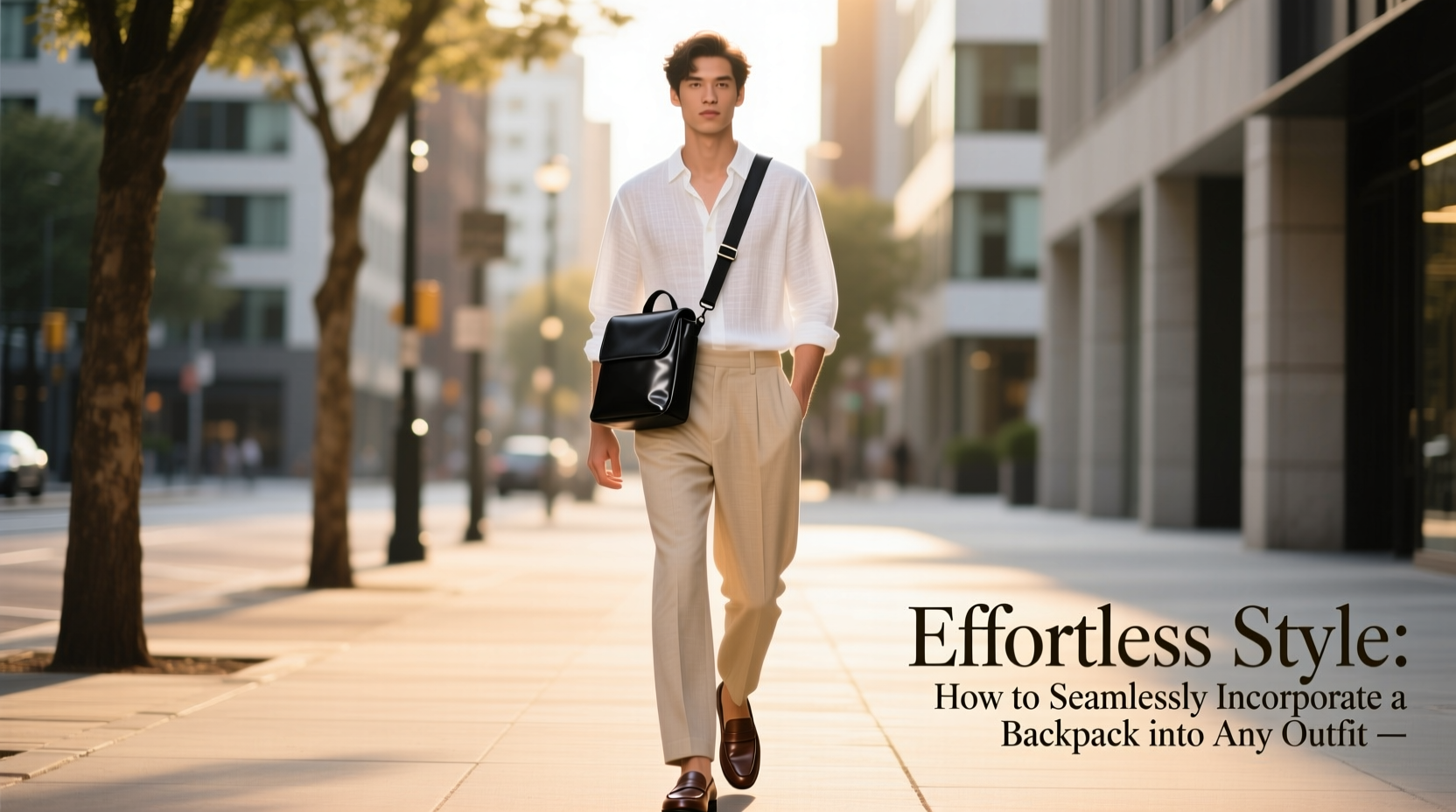
The foundation of effortless integration begins with selection. Not all backpacks are created equal, and the wrong choice can clash with your clothing tone, silhouette, or occasion. Consider these three factors when choosing:
- Material: Leather, nylon, canvas, and vegan leather each convey different aesthetics. Smooth black leather reads as sophisticated; rugged canvas leans casual; minimalist nylon suggests urban efficiency.
- Color: Neutral tones like black, navy, tan, or gray offer maximum versatility. A bold red or patterned backpack works only if intentionally styled as a statement piece.
- Silhouette: Structured bags project professionalism. Soft, slouchy styles suit weekend looks. Avoid overly sporty designs with visible straps or hydration sleeves in formal settings.
Styling Strategies by Occasion
A backpack isn’t a one-context accessory. With thoughtful coordination, it transitions smoothly across environments—from boardrooms to brunches.
Casual Daywear: Effortless and Comfortable
Pair a slim nylon or canvas backpack with jeans, a tucked-in tee, and white sneakers. Opt for a crossbody strap adjustment to keep the bag snug against your back, avoiding a “loaded-down” appearance. Layer with an oversized blazer or denim jacket to add structure.
Workwear: Professional Without Compromise
Swap the briefcase for a minimalist leather backpack in black or cognac. Wear it with tailored trousers, a crisp button-down, and loafers. Keep contents minimal to maintain clean lines. This look works especially well in creative industries or hybrid offices.
“Backpacks are no longer anti-professional—they’re symbols of mobility and preparedness.” — Lena Torres, Fashion Stylist & Contributor at *Vogue Living*
Evening or Smart-Casual Events: Subtle Utility
For dinner outings or gallery visits, select a compact, structured backpack in luxe fabric—think quilted nylon or pebbled leather. Pair with dark chinos, a merino sweater, and Chelsea boots. The contrast between relaxed elegance and functional design creates intentional tension, which is central to contemporary style.
Do’s and Don’ts: How to Wear a Backpack Correctly
| Do | Don’t |
|---|---|
| Adjust straps so the bag sits centered between your shoulders | Let the bag hang below your waistline |
| Match metal hardware (zippers, buckles) to your watch or belt buckle | Mix gold and silver finishes haphazardly |
| Use a backpack that fits proportionally to your torso | Carry an oversized hiking pack with slim-fit clothing |
| Keep the exterior clean and free of patches/stickers in professional settings | Allow dirt or scuff marks to accumulate visibly |
| Unclip one shoulder strap briefly for photos or seated moments | Wear only one strap consistently—it strains posture and looks sloppy |
Real-Life Example: From Commute to Client Meeting
Take Marcus, a graphic designer based in Berlin. His day starts with a bike commute to his studio, then shifts to a client presentation downtown. He wears slim black trousers, a charcoal turtleneck, and minimalist white sneakers. On his back? A matte black, medium-sized backpack made from recycled technical fabric with hidden magnetic closures.
During the ride, he uses both straps for stability. Upon arrival, he adjusts the fit so the bag rests neatly against his spine. Inside, he carries his laptop, sketchbook, and a folded navy wool overcoat. When seated across from clients, he places the backpack on the floor beside him—upright, unobtrusive, yet clearly part of his curated image.
No one questions his choice. In fact, several clients compliment his “thoughtful, modern approach” to workwear. Marcus doesn’t carry a backpack out of necessity alone—he uses it as a design element, reinforcing his brand as innovative and efficient.
Step-by-Step Guide: Building a Backpack-Friendly Outfit
- Start with your backpack: Choose the bag first, especially if it's a signature piece. Build your outfit around its color and texture.
- Select a base layer: Pick pants and a top that balance the bag’s volume—slim cuts for bulky bags, looser fits for compact ones.
- Add structure: Include one tailored piece—a blazer, trench coat, or structured shirt—to offset the informality of the backpack.
- Coordinate accessories: Match footwear, belt, or watch to the bag’s hardware or trim for cohesion.
- Test movement: Walk, sit, and reach overhead to ensure comfort and visual balance. Adjust strap length accordingly.
Checklist: Packing and Presenting Your Backpack with Style
- ✅ Ensure the bag is clean and free of stains or odors
- ✅ Pack items neatly—avoid overstuffing that distorts shape
- ✅ Use interior compartments to prevent bulging
- ✅ Carry only essentials during social or professional events
- ✅ Align the backpack’s center with your spine for balanced posture
- ✅ Remove unnecessary keychains or dangling tags
- ✅ Match at least one color in the bag to your outfit
Frequently Asked Questions
Can I wear a backpack with a suit?
Yes—provided the backpack is sleek, proportionate, and made from a complementary material like smooth leather or minimalist tech fabric. Avoid sporty details like mesh pockets or bright logos. A black or dark gray backpack pairs best with formalwear.
What size backpack works for everyday wear?
An ideal everyday backpack measures between 14 and 18 inches in height. It should comfortably hold a laptop (up to 15”), notebook, wallet, and phone without appearing overstuffed. Proportion matters: smaller frames suit compact bags; taller builds can carry slightly larger silhouettes.
How do I avoid looking like a student in the workplace?
Focus on refinement. Choose a bag with clean lines, minimal branding, and premium materials. Pair it with polished footwear and structured clothing. Confidence also plays a role—when you carry yourself with intention, the backpack reads as a deliberate choice, not a default.
Final Thoughts: Elevate Function with Intention
The most stylish people don’t just wear clothes—they curate experiences. Incorporating a backpack into your wardrobe isn’t about convenience alone; it’s about redefining what sophistication looks like in motion. Whether you're navigating city streets, hopping on a train, or stepping into a meeting, your backpack can reflect thoughtfulness, readiness, and personal taste.
Style isn’t found in perfection—it’s revealed in harmony. When your bag complements your outfit instead of competing with it, you achieve a quiet confidence that speaks louder than any trend. The goal isn’t to hide the backpack, but to make it belong.




 浙公网安备
33010002000092号
浙公网安备
33010002000092号 浙B2-20120091-4
Comments
No comments yet. Why don't you start the discussion?