
As the air turns crisp and golden leaves drift from the trees, autumn becomes the season of texture, depth, and thoughtful layering. At the heart of this seasonal wardrobe shift lies the knitted pullover—a staple that balances comfort with quiet elegance. But its true potential unfolds not when worn alone, but when thoughtfully layered. Done right, layering a knitted pullover elevates your look from simple to sophisticated, functional to fashionable, without sacrificing ease or warmth.
The key isn’t just adding more fabric—it’s about balance: proportion, texture, color, and silhouette. Whether you're navigating city streets, working remotely in a cozy café, or enjoying a weekend hike, mastering the art of layering ensures you stay warm, stylish, and adaptable throughout the changing days of fall.
Why Layering Matters in Autumn
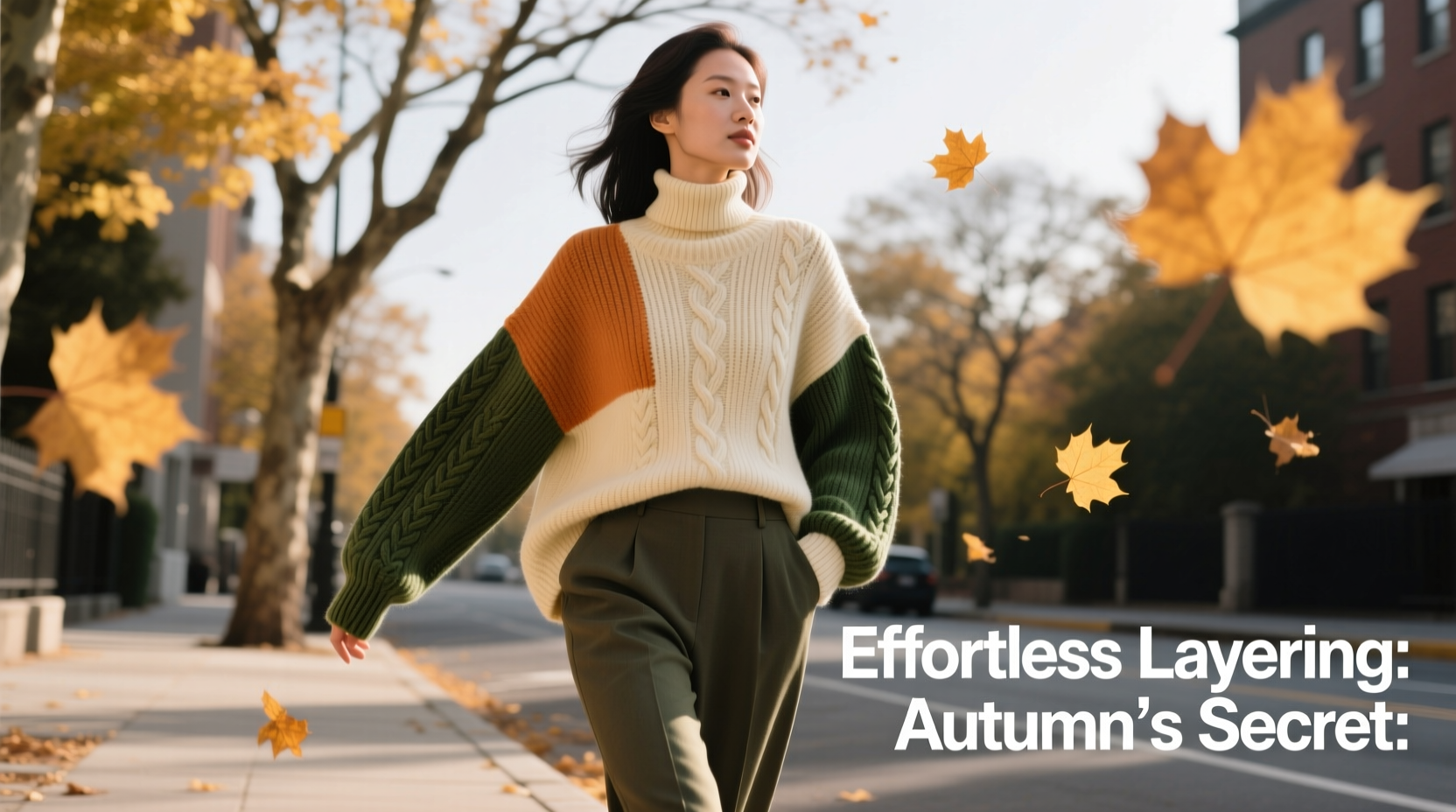
Autumn weather is notoriously unpredictable. Mornings may demand a scarf and coat, while afternoons under a clear blue sky call for something lighter. This fluctuation makes layering essential—not just for comfort, but for versatility. A well-layered outfit allows you to adjust seamlessly as temperatures shift, all while maintaining a cohesive aesthetic.
The knitted pullover, typically made from wool, cotton, or blends, serves as an ideal mid-layer. It provides insulation without bulk, drapes beautifully over other garments, and comes in endless styles—from fine-gauge merino to chunky cable knits. When paired correctly, it enhances both form and function.
Selecting the Right Knit for Layering
Not all knits are created equal when it comes to layering. The weight, drape, and fit determine how well a pullover integrates into a layered ensemble.
- Fine-knit pullovers (e.g., merino wool or cashmere) work best as outer layers over shirts or thin turtlenecks. They offer warmth with minimal volume.
- Medium-gauge knits strike a balance—ideal as mid-layers under jackets or coats. Their structure holds shape without overwhelming.
- Chunky knits make bold statements but should generally be worn on top. Pair them with slim-fitting underlayers to avoid a bulky silhouette.
Consider collar height and neckline too. Crewnecks and turtlenecks pair well with collared shirts peeking out, while V-necks allow room for layered necklaces or visible shirt plackets.
Building Your Layering Foundation: The Base Layer
Every successful layered look begins with a strong base. In autumn, your foundation should regulate temperature, wick moisture if needed, and provide a smooth transition between skin and knitwear.
- Cotton or silk long-sleeve tees – Lightweight and breathable, perfect under lighter pullovers.
- Fine turtlenecks – Add warmth and polish, especially under open-front cardigans or shawl-collar pullovers.
- Thermal or merino thermals – Ideal for colder days; their moisture-wicking properties keep you dry during commutes or outdoor activities.
Avoid thick seams or stiff fabrics in base layers—they can cause discomfort and disrupt the drape of your pullover. Stick to neutral tones like cream, gray, navy, or black for maximum versatility.
“Layering is architecture for the body. Each piece must support the next without competing.” — Lena Moreau, Fashion Stylist & Seasonal Wardrobe Consultant
Mid-Layer Strategy: Combining Pullovers with Shirts and Vests
One of the most effective ways to add dimension is by inserting a button-down shirt beneath your knitted pullover. This technique works especially well with V-neck or zip-neck styles.
Leave the top few buttons undone and let the collar rest gently over the knit. Flannel, oxford cloth, or chambray shirts introduce contrast in texture and subtle pattern, creating visual interest without clutter.
Vests—particularly quilted, sleeveless parkas or wool-blend gilets—also serve as excellent mid-layers over a pullover. They trap heat around the core while allowing arm mobility, making them ideal for transitional weather.
| Layer Combination | Best For | Tips |
|---|---|---|
| Pullover + Oxford Shirt | Smart-casual office wear | Roll shirt cuffs slightly for a refined touch |
| Pullover + Turtleneck | Cold mornings and evening walks | Match tones or go monochrome for sleekness |
| Pullover + Flannel Shirt | Weekend outings, rustic settings | Let shirt tails peek below hem for laid-back vibe |
| Pullover + Quilted Vest | Outdoor events, hiking | Choose vest one size larger to fit over knit comfortably |
Outer Layers That Complement Knits
The final piece of the puzzle is the outer layer. Your coat or jacket should enhance—not overpower—the layers beneath. Here’s how to match common outerwear with knitted pullovers:
- Trench coats: Pair with fine-gauge pullovers and collared shirts for a polished, linear silhouette.
- Wool overcoats: Ideal over medium or chunky knits; ensure shoulders align to avoid bunching.
- Denim or chore jackets: Offer a rugged contrast to soft knits—perfect for casual Friday looks.
- Field jackets or waxed cotton coats: Work well with thicker pullovers for countryside excursions.
Real Example: Olivia’s Autumn Commute
Olivia lives in Portland, where mornings start at 50°F and climb to 65°F by noon. Her solution? A lightweight merino turtleneck as a base, topped with a heather-gray fine-knit pullover, and finished with a belted trench coat. She rolls her sleeves slightly to show the turtleneck’s edge and pairs everything with dark jeans and ankle boots.
By midday, she removes her coat and ties it around her waist, revealing a clean, put-together look that transitions effortlessly from transit to desk. The layers work together—functionally and aesthetically—without overheating or appearing disheveled.
Common Layering Mistakes to Avoid
Even experienced dressers can misstep when layering knits. Watch out for these pitfalls:
- Over-layering: Too many thick pieces create a boxy, unflattering shape and restrict movement.
- Mismatched proportions: A bulky sweater over a puffy thermal creates unnecessary volume. Balance loose tops with slimmer bottoms.
- Neglecting fabric breathability: Synthetic blends can trap sweat. Opt for natural fibers like wool, cotton, or TENCEL™ when possible.
- Ignoring color harmony: Clashing tones break visual flow. Stick to analogous colors or tonal variations within the same family.
Checklist: Perfect Pullover Layering in 5 Steps
- Choose a base layer that’s smooth, breathable, and fits snugly without squeezing.
- Select a pullover appropriate for the weather and intended outer layer.
- Add a mid-layer (shirt, vest) only if needed—ensure it doesn’t strain the knit.
- Top with a coat or jacket that accommodates the combined volume.
- Test mobility: raise arms, sit down, walk across the room to check comfort and drape.
Frequently Asked Questions
Can I wear a pullover over a hoodie?
Yes, but only if the hoodie is thin and fitted. A bulky hoodie will distort the pullover’s shape and create excess bulk. For best results, reserve hoodies as outer layers or wear them solo under a jacket.
How do I stop my pullover from riding up when layered?
This usually happens due to static or poor fit. Try using a longer base layer (like a thermal shirt with extended hem), or choose pullovers with ribbed hems that grip better. Natural fiber blends also reduce cling compared to synthetics.
Is it okay to layer two knits together?
Absolutely—think of a fine turtleneck knit under a V-neck cable-knit sweater. Just ensure there's a noticeable difference in weight and fit so one doesn't overwhelm the other.
Final Thoughts: Embrace Simplicity, Elevate Style
Effortless style isn’t about complexity—it’s about intention. Mastering how to layer a knitted pullover means understanding your environment, your body, and the story you want your clothes to tell. Autumn invites us to slow down, appreciate texture, and move through the world with quiet confidence.
Start small: experiment with one new combination this week. Maybe it’s a white tee under a charcoal crewneck, topped with a camel coat. Or a turtleneck beneath a cable-knit cardigan for Sunday brunch. Each layer adds not just warmth, but depth—to your outfit, and to your personal style narrative.




 浙公网安备
33010002000092号
浙公网安备
33010002000092号 浙B2-20120091-4
Comments
No comments yet. Why don't you start the discussion?