
An air mattress is a versatile solution for guests, camping trips, or temporary sleeping arrangements. With most modern models featuring a built-in electric pump, inflation has become significantly easier than manually pumping or using external devices. However, many users still struggle with slow inflation, uneven firmness, or even damage due to improper use. The key lies not just in having a built-in pump, but in knowing how to use it effectively. By following a few smart practices, you can inflate your air mattress quickly, evenly, and without risking wear or safety hazards.
Understand Your Built-In Pump System
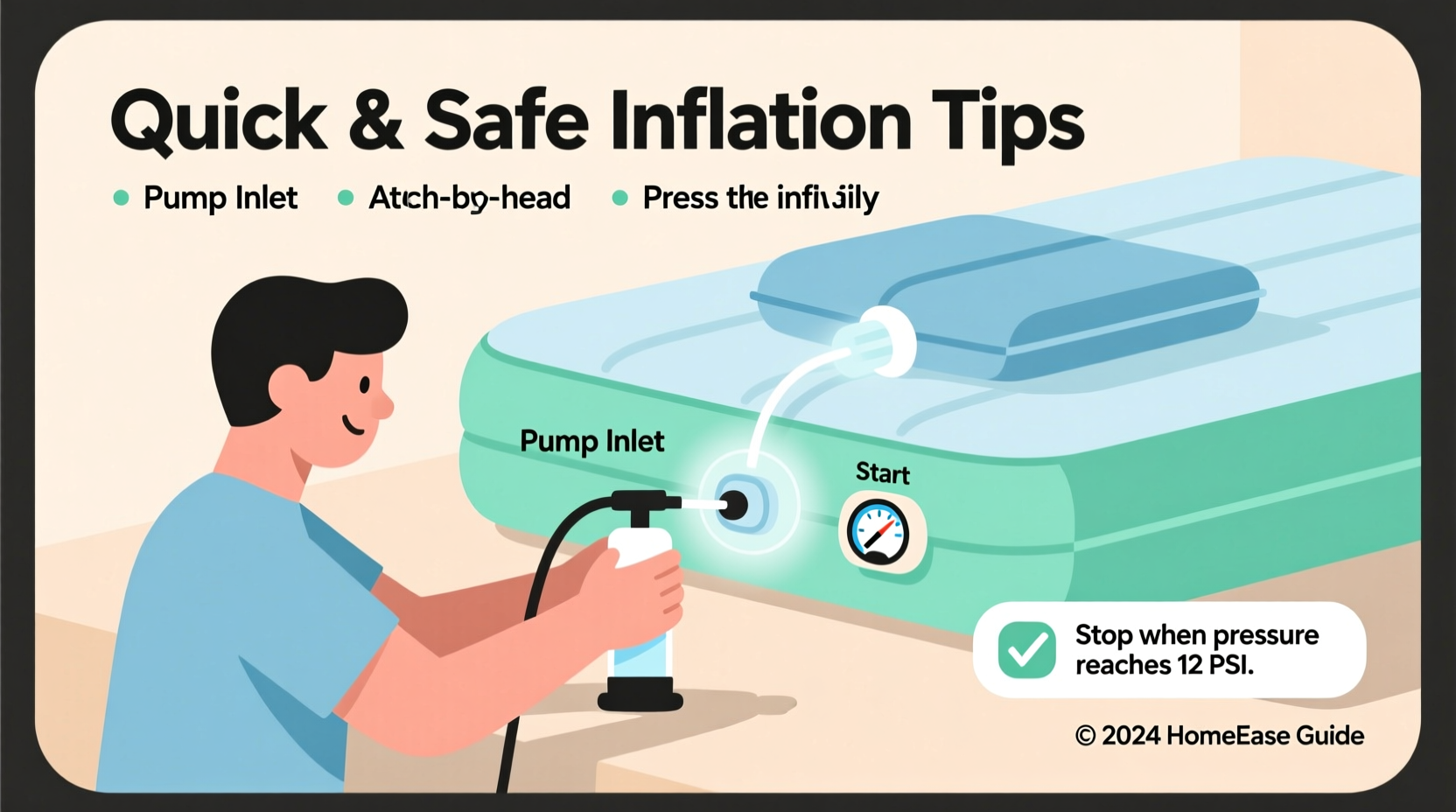
Built-in pumps are integrated directly into the air mattress structure, typically located near the head or side edge. These systems eliminate the need for separate hoses or power adapters in most cases, offering convenience and portability. Most operate on standard household AC power, though some models support DC (car) or USB power for outdoor use.
Before using the pump, identify its type and controls:
- Inflation-only pumps: Inflate the mattress but require manual deflation by opening the air valve.
- Dual-function pumps: Offer both inflate and deflate settings via a switch or button.
- Auto-shutoff models: Stop automatically when optimal pressure is reached, reducing overinflation risk.
Consult your user manual to confirm which functions your model supports. Misunderstanding the pump’s capabilities is one of the leading causes of poor performance or accidental damage.
Step-by-Step Guide to Quick and Safe Inflation
Following a consistent process ensures faster results and extends the life of both the mattress and pump. Use this timeline-based approach for optimal performance:
- Unroll completely: Lay the mattress flat on a clean, dry surface. Avoid sharp objects, rough flooring, or direct sunlight during inflation.
- Open the air valve: Rotate the valve counterclockwise until it clicks into the open position. Some models have a cap—remove it before powering on.
- Connect power: Plug the pump into a grounded outlet. For battery-powered models, ensure charge levels are sufficient.
- Activate inflation: Press and hold the “Inflate” button. You should hear a steady hum as air flows into the chamber.
- Monitor expansion: Watch the mattress rise evenly. If one side inflates faster, gently shift the unit to balance airflow.
- Stop at desired firmness: Even with auto-shutoff, check firmness manually. Overinflation stresses seams and increases puncture risk.
- Seal the valve: Once inflated, twist the valve clockwise until tight. A hissing sound means it’s not sealed properly.
This entire process should take between 2 to 5 minutes depending on mattress size and pump power. Larger queen or king models may require up to 7 minutes.
Do’s and Don’ts When Using a Built-In Pump
| Do’s | Don’ts |
|---|---|
| Use a surge protector with AC-powered pumps | Run the pump continuously for more than 10 minutes |
| Inspect the power cord for frays or kinks | Inflate the mattress on gravel, sand, or sharp surfaces |
| Allow the pump to cool between uses | Ignore unusual noises like grinding or sputtering |
| Keep the valve clean and free of debris | Stand or sit on the mattress while inflating |
| Store the cord neatly after use | Submerge the pump or expose it to water |
Adhering to these guidelines prevents mechanical strain and maintains long-term reliability. Overworking the motor is the most common reason for premature pump failure.
Real-World Example: Efficient Setup for Weekend Guests
Sarah hosts her sister every other month and used to spend 15 frustrating minutes wrestling with an old air mattress that never inflated evenly. After upgrading to a model with a dual-action built-in pump, she implemented a simple routine: unroll the mattress upon arrival, plug in the pump immediately, and set a phone timer for 4 minutes. She now checks firmness, seals the valve, and adds sheets—all within 6 minutes. Her sister consistently praises the comfort, noting it feels “almost like a real bed.”
The difference wasn’t just the new mattress—it was Sarah’s attention to proper inflation technique. She also keeps a small cleaning cloth nearby to wipe the valve before sealing, preventing dust buildup that could compromise the seal.
“Most air mattress failures start with improper inflation habits. Using the built-in pump correctly doesn’t just save time—it prevents structural stress that leads to leaks.” — Marcus Tran, Product Engineer at SleepWell Outdoors
Maximizing Efficiency: Tips for Faster Results
To get the most out of your built-in pump, consider these advanced yet effortless strategies:
- Use a dedicated outlet: Avoid power strips with multiple devices drawing current, which can reduce pump efficiency.
- Minimize resistance: Ensure nothing presses against the mattress during inflation—walls, furniture, or bedding can restrict expansion.
- Check battery health: For cordless models, recharge after each use. Lithium-ion batteries degrade faster when left drained.
- Rotate usage: If inflating frequently, let the pump rest 5–10 minutes between cycles to prevent overheating.
These small adjustments compound into noticeably faster setup times and a longer lifespan for your equipment.
FAQ: Common Questions About Built-In Pumps
How long should I run the built-in pump?
Most mattresses fully inflate within 3–7 minutes. Never run the pump for more than 10 minutes continuously. If the mattress isn’t fully inflated by then, turn it off, check for obstructions or leaks, and restart after a 5-minute cooldown.
Can I repair a malfunctioning built-in pump?
Minor issues like loose wires or dirty valves can sometimes be fixed with manufacturer-approved kits. However, internal motor or circuit problems usually require professional service or replacement. Attempting DIY repairs may void the warranty.
Why does my mattress lose air after inflation?
Some initial settling is normal, especially in the first few uses. But if deflation is rapid, check the valve seal, inspect for punctures, and ensure the pump fully closed the valve mechanism. Temperature changes (e.g., cooling overnight) can also cause slight air contraction.
Final Checklist Before Every Use
Keep this quick-reference checklist handy to ensure safe and efficient inflation every time:
- ✅ Unroll mattress on a clean, flat surface
- ✅ Open air valve fully before powering on
- ✅ Plug into a stable power source
- ✅ Listen for consistent pump sound (no sputtering)
- ✅ Monitor inflation progress visually
- ✅ Stop inflation when firm—not rock-hard
- ✅ Seal valve tightly after turning off pump
- ✅ Coil and store power cord carefully
Conclusion: Make Setup Effortless, Not Stressful
Using a built-in pump doesn’t have to be a trial-and-error process. With the right knowledge, you can inflate your air mattress quickly, safely, and consistently—every single time. Whether you're preparing for unexpected guests or packing for a weekend adventure, mastering your pump’s functionality turns what used to be a chore into a seamless part of your routine. Take a few moments to understand your system, follow best practices, and avoid common pitfalls. Your comfort—and the longevity of your mattress—depends on it.




 浙公网安备
33010002000092号
浙公网安备
33010002000092号 浙B2-20120091-4
Comments
No comments yet. Why don't you start the discussion?