
Mornings set the tone for the rest of the day. Yet, how often do you find yourself frantically digging through your tote bag for keys, phone, or wallet while already late? A disorganized bag doesn’t just waste time—it adds unnecessary stress. The good news: transforming your tote into a streamlined, functional companion doesn’t require a complete overhaul. With small, intentional changes, you can create a system that works seamlessly with your routine. This guide walks you through practical strategies to keep your essentials accessible, secure, and logically arranged—every single day.
Start with a Clear-Out: Know What You Really Need
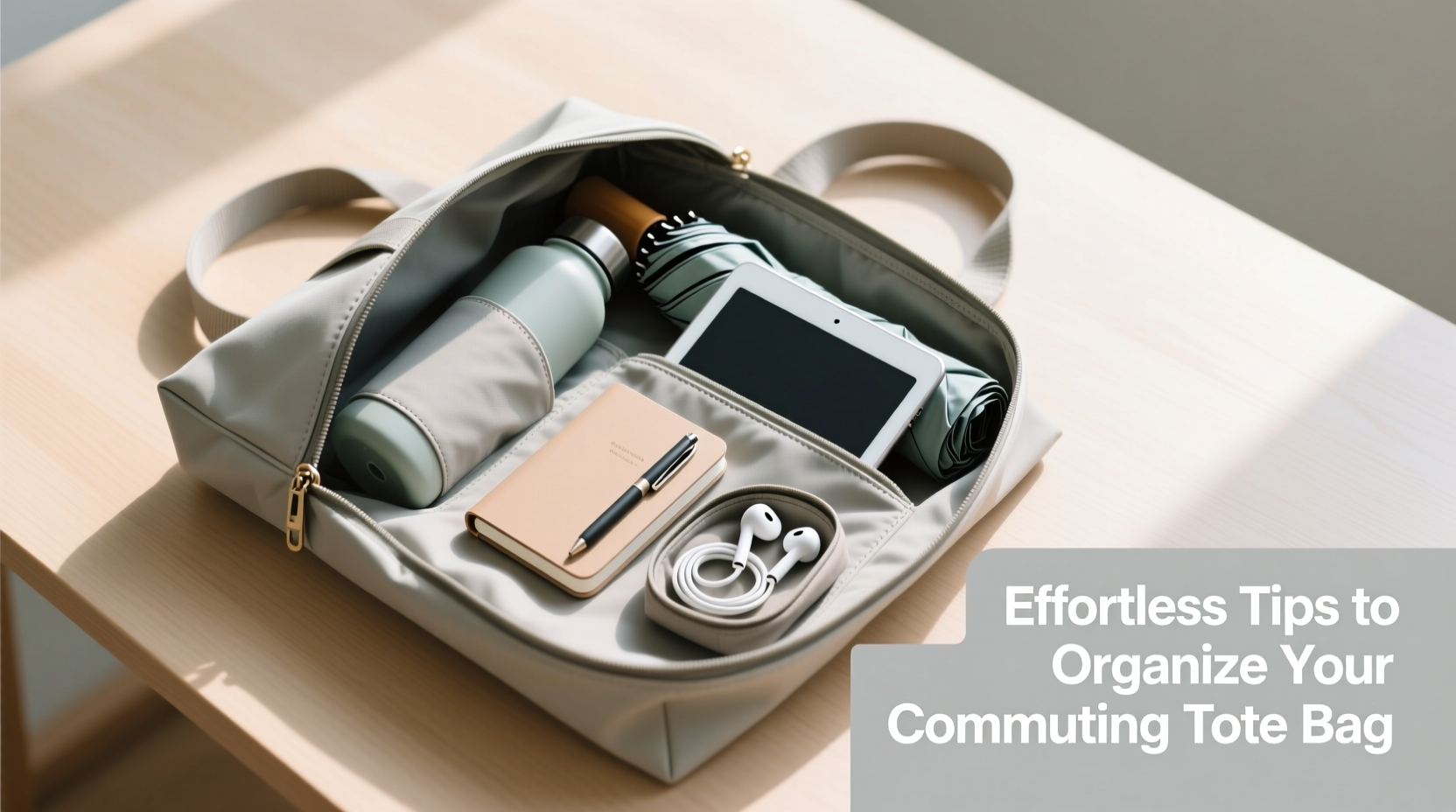
The foundation of an efficient tote is simplicity. Most people carry 30–50% more than necessary, filling their bags with expired receipts, dried-up pens, forgotten snacks, and redundant chargers. Begin by emptying your tote completely onto a clean surface. Sort items into three categories: essential, occasional, and discard.
- Essential: Phone, wallet, keys, transit card, earbuds, hand sanitizer
- Occasional: Notebook, lip balm, reusable cutlery, umbrella (seasonal)
- Discard: Old takeout menus, broken cables, expired coupons
Be ruthless. If you haven’t used an item in the past month—and it’s not seasonal—remove it. This process resets your bag’s purpose: to carry only what supports your daily life.
Create Dedicated Zones with Pouches and Organizers
Once you’ve minimized, assign each essential item a designated space. Think of your tote like a desk drawer: when everything has a home, retrieval becomes instinctive. Use small zippered pouches or fabric organizers to segment your bag into functional zones:
- Electronics Pouch: Phone charger, power bank, earbuds, USB cable
- Wallet & ID Zone: Wallet, transit pass, office badge
- Paper & Pen Section: Notepad, pen, sticky notes
- Personal Care Kit: Lip balm, tissues, hand cream, breath mints
These compartments reduce friction. No more fumbling for your badge at security or spilling loose change at the coffee counter. Invest in a few slim, lightweight organizers—they take up minimal space but deliver maximum return on convenience.
Recommended Organizer Materials
| Type | Best For | Why It Works |
|---|---|---|
| Neoprene Pouches | Electronics | Cushions devices, water-resistant |
| Nylon Zip Bags | Snacks, wipes | Lightweight, easy to wipe clean |
| Felt Insert Trays | Pens, cards, keys | Prevents scratching, holds shape |
Adopt the “Top Layer” Rule for Daily Essentials
Efficiency thrives on predictability. Identify the five items you use most frequently during your commute or workday—usually phone, wallet, keys, earbuds, and transit card. These should be placed in the top layer of your bag, ideally in an outer pocket or upper compartment where they’re visible and reachable without unpacking.
This rule prevents the common frustration of having to dump out your entire bag when you need one thing. It also reduces wear on your tote, since constant rummaging stretches zippers and damages lining over time.
“Accessibility equals peace of mind. When your critical items are always within reach, decision fatigue drops significantly.” — Lena Torres, Productivity Consultant
Step-by-Step Evening Reset Routine
Preparation the night before eliminates morning chaos. Follow this 7-minute reset ritual every evening after returning home:
- Empty contents onto a table – Remove everything except permanent organizers.
- Recharge electronics – Plug in your phone, earbuds, and power bank.
- Restock consumables – Replace used tissues, add a fresh mask, refill hand sanitizer.
- Check for tomorrow’s special needs – Gym clothes? Meeting presentation? Add now.
- Wipe down surfaces – Use a disinfectant wipe on high-touch areas like zippers and handles.
- Repack in order – Place heaviest items at the bottom, essentials on top.
- Hang or place by the door – Make grab-and-go effortless.
This routine takes less time than scrolling social media, yet it pays dividends in calm, focused mornings.
Real-Life Example: How Sarah Cut Her Morning Rush by 12 Minutes
Sarah, a project manager in Toronto, used to spend 15–20 minutes each morning searching for misplaced items. Her leather tote was deep and unstructured, making visibility nearly impossible. After applying these organization principles, she introduced three slim organizers: a neoprene tech sleeve, a felt card holder, and a nylon hygiene pouch. She also began her nightly reset habit.
Within a week, Sarah noticed she no longer arrived at work flustered. She reclaimed time for a proper breakfast and even started journaling. Her colleagues commented on her improved focus. “I didn’t realize how much mental energy I was wasting just managing my bag,” she said. “Now, it’s automatic. I grab it and go.”
Do’s and Don’ts of Tote Bag Efficiency
| Do | Don’t |
|---|---|
| Use labeled pouches for quick identification | Let receipts and wrappers accumulate |
| Choose a tote with multiple internal pockets | Overstuff your bag beyond 70% capacity |
| Rotate seasonal items (e.g., gloves, fan) | Carry duplicate items (two chargers, three pens) |
| Invest in a compact foldable tote as a backup | Store liquids without leak-proof containers |
FAQ
How many items should I realistically carry in my tote?
Aim for 8–12 core items. More than that increases clutter and reduces accessibility. Focus on functionality: if an item isn’t used at least twice a week, consider leaving it at home or in your workspace.
What’s the best way to clean the inside of a tote bag?
For fabric linings, use a microfiber cloth with a mix of mild soap and water. Spot clean stains and let air dry completely. For leather interiors, use a specialized cleaner and conditioner. Never machine wash unless explicitly stated by the manufacturer.
Can a small bag be more efficient than a large one?
Yes—often, smaller bags enforce discipline. Limited space forces you to prioritize essentials. A compact tote that fits only what you truly need reduces decision fatigue and physical strain compared to a cavernous bag full of junk.
Final Checklist: Your Efficient Tote in 5 Steps
- ✅ Empty and sort all contents—discard the unnecessary
- ✅ Assign zones using small organizers or pouches
- ✅ Place daily essentials in top-accessible areas
- ✅ Implement a nightly reset routine
- ✅ Review and adjust monthly based on usage patterns
Conclusion
Organizing your commuting tote isn’t about perfection—it’s about creating a sustainable system that respects your time and energy. When your bag works with you instead of against you, you gain more than just efficiency. You gain confidence, clarity, and a smoother start to your day. These small habits compound into significant lifestyle improvements. Start tonight: empty your bag, assess what stays, and rebuild it with intention. Tomorrow, experience the quiet satisfaction of grabbing your tote and walking out the door—knowing exactly where everything is.




 浙公网安备
33010002000092号
浙公网安备
33010002000092号 浙B2-20120091-4
Comments
No comments yet. Why don't you start the discussion?