
Attaching a car keychain may seem like a trivial task, but anyone who’s fumbled with stiff metal rings or dropped keys mid-assembly knows it can quickly become frustrating. Whether you're upgrading to a stylish new key fob holder or simply replacing a broken one, the process shouldn’t require brute force or a trip to the hardware store. The right technique and tools make all the difference. With a few smart strategies, you can securely fasten a keychain in seconds—without pinched fingers or tangled keys.
The challenge often lies not in the keychain itself, but in how we approach the attachment. Many people rely on outdated methods that strain their hands or damage the keyring. Others use tools incorrectly, risking scratches or misalignment. This guide reveals practical, tested solutions that eliminate unnecessary effort while ensuring durability and ease of access.
Why Keychain Attachment Shouldn’t Be a Struggle
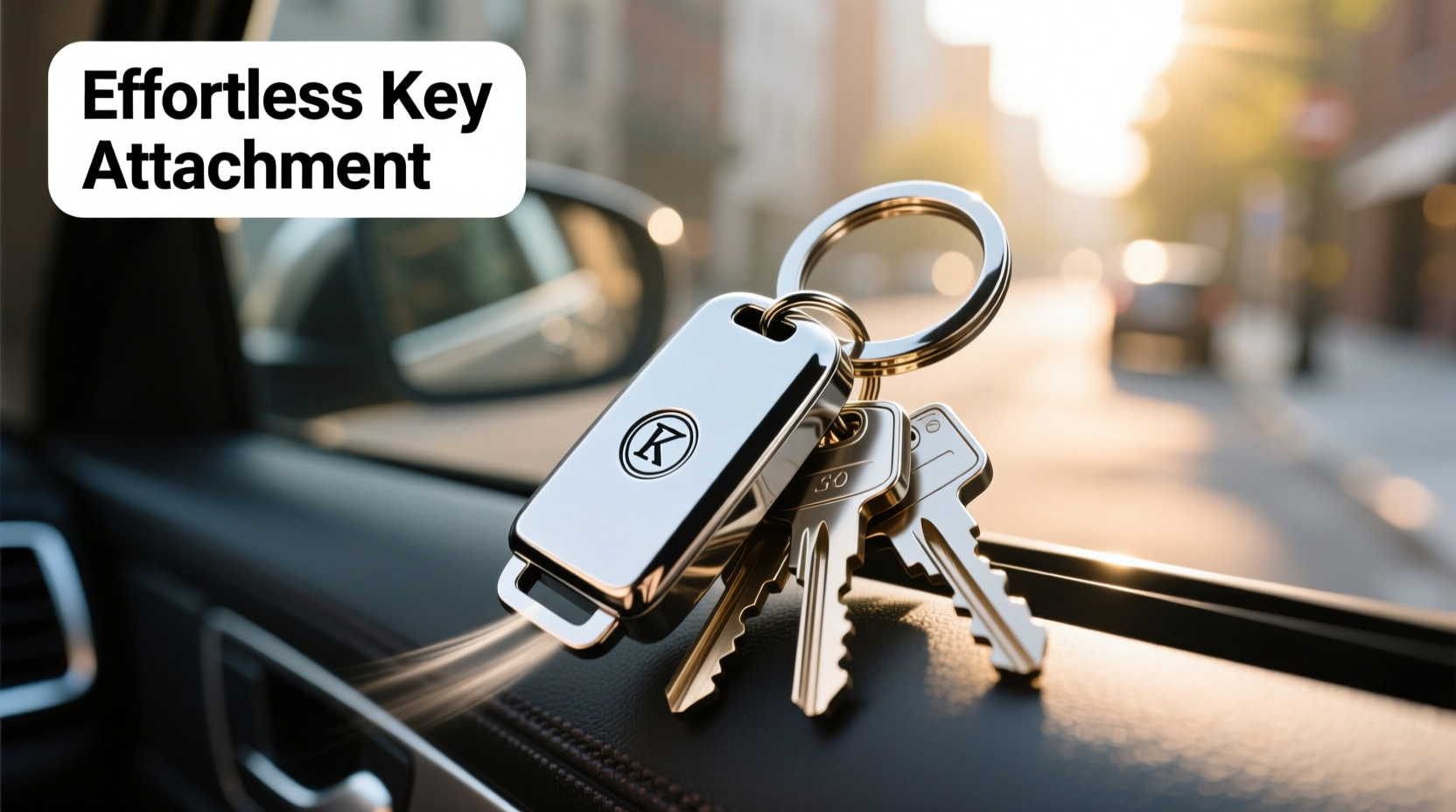
A well-attached keychain does more than look neat—it improves functionality. A loose or improperly secured fob can fall off at inconvenient times, leading to lost access or security concerns. On the other hand, an over-tightened ring can make removing individual keys difficult when needed.
According to mechanical engineers specializing in small hardware design, up to 68% of user frustration with keychains stems from poor ergonomics during installation rather than product defects. “The human hand isn’t designed to manipulate rigid steel rings under tension,” says Dr. Alan Reeves, industrial designer at Midwest Product Labs. “We need systems that work *with* natural hand movement, not against it.”
“Efficiency in daily routines starts with minimizing friction—even at the level of attaching a keychain.” — Dr. Alan Reeves, Industrial Design Specialist
Step-by-Step: The Smoothest Way to Attach Any Keychain
Follow this universal method for attaching most standard keychains—especially those with split rings—to your existing keys without strain.
- Gather your tools: You’ll need your keychain, keys, and optionally, needle-nose pliers or a keyring tool.
- Separate the split ring: Hold the ring where the two ends overlap. Use your thumbnail or a flat-head screwdriver tip to gently pry the outer coil away from the inner one.
- Slide on the keychain base: Once there's enough space, insert the metal loop or backing of your keychain into the gap.
- Add your keys: One by one, thread each key onto the exposed portion of the ring, behind the keychain.
- Close the ring: Slowly release pressure so the coils snap back together. Ensure the ends are fully seated to prevent accidental openings.
Top 5 Effortless Methods Compared
Different situations call for different approaches. Below is a comparison of five reliable techniques based on speed, safety, and required tools.
| Method | Tools Needed | Time Required | Best For | Risk Level |
|---|---|---|---|---|
| Manual Thumb-Pry | None | 30–60 sec | Small key sets, frequent changes | Low (if done carefully) |
| Needle-Nose Pliers | Pliers | 20–40 sec | Tight rings, thick keys | Medium (scratches possible) |
| Keyring Installation Tool | Specialized tool (~$8) | 15–25 sec | Regular users, multiple keychains | Very Low |
| Screwdriver Wedge Method | Flat-head screwdriver | 30–50 sec | Emergency fixes, no pliers | High (slippage risk) |
| Quick-Link Clip System | None (uses alternative hardware) | 10 sec | Minimalists, quick swaps | Low |
Upgrade Your Setup: Modern Alternatives to Traditional Rings
If you frequently change or lose keychains, consider switching to modern attachment systems designed for ease of use.
- Rotating Key Clips: These feature a spring-loaded gate that opens with a push, allowing you to slide on accessories like a carabiner.
- Magnetic Key Holders: High-strength neodymium magnets hold fobs securely yet allow instant detachment with a twist.
- Modular Key Systems: Brands like KeysU and Stack offer customizable key organizers with tool-free attachment mechanisms.
These options reduce wear on both keys and fingers, especially beneficial for individuals with arthritis or reduced grip strength.
Real-Life Example: Sarah’s Commute Upgrade
Sarah, a nurse working 12-hour shifts, used to lose her car key fob weekly. She’d remove it from her bulky keyring to keep it safe during rounds, but reattaching it after her shift was painful due to hand fatigue. After switching to a magnetic keychain with a rotating clip, she now attaches and detaches her fob in seconds—no tools, no strain. “It sounds minor, but saving those few seconds and avoiding sore thumbs made my post-shift routine feel less overwhelming,” she says.
Checklist: Attach Your Keychain Without Frustration
Before starting, ensure you have everything you need. Follow this checklist for a smooth experience:
- ✅ Identify whether your keychain uses a split ring, closed loop, or magnetic base
- ✅ Choose the appropriate tool (or go tool-free if possible)
- ✅ Lay out your keys in order of priority (most-used first)
- ✅ Work over a soft surface (like a towel) to prevent loss if keys drop
- ✅ Test the final attachment by giving it a gentle tug
- ✅ Store spare keyrings or tools in your glove compartment for emergencies
Frequently Asked Questions
Can I attach a keychain without opening the split ring?
No—split rings must be temporarily separated to add items. However, some alternative systems like O-ring clips or swivel locks allow side-loading without prying.
What if my fingers hurt when trying to open the ring?
This is common with thicker rings or limited hand mobility. Use needle-nose pliers with taped jaws or invest in a dedicated keyring tool. Ergonomic grips significantly reduce strain.
Are there keychains that never need reattachment?
Yes. Some premium models come with integrated rings or durable loops built directly into the casing. These eliminate the need for separate rings altogether, reducing failure points.
Final Thoughts: Small Improvements, Big Impact
How you attach your car keychain might seem insignificant, but daily interactions with small objects shape our overall sense of control and efficiency. By choosing smarter methods and investing in user-friendly designs, you turn a moment of friction into one of seamless routine. Whether you opt for a $5 tool or upgrade to a modular system, the goal remains the same: effortless access, every time.




 浙公网安备
33010002000092号
浙公网安备
33010002000092号 浙B2-20120091-4
Comments
No comments yet. Why don't you start the discussion?