
Car keys are among the most frequently handled items in daily life. Over time, wear and tear can compromise both functionality and appearance—especially when adding accessories like keychains. Many people assume attaching a keychain is harmless, but improper methods can lead to scratches, weakened keyring integrity, or even breakage of transponder components inside modern keys. The goal isn’t just personalization—it’s doing so safely, securely, and without compromising the longevity of your key fob or mechanical key.
This guide explores practical, tested strategies for attaching a keychain that balance style, convenience, and preservation. Whether you're using a metal ring, split ring, or smart key fob, these methods ensure your keychain stays put without damaging essential parts.
Why Protecting Your Keyring Matters
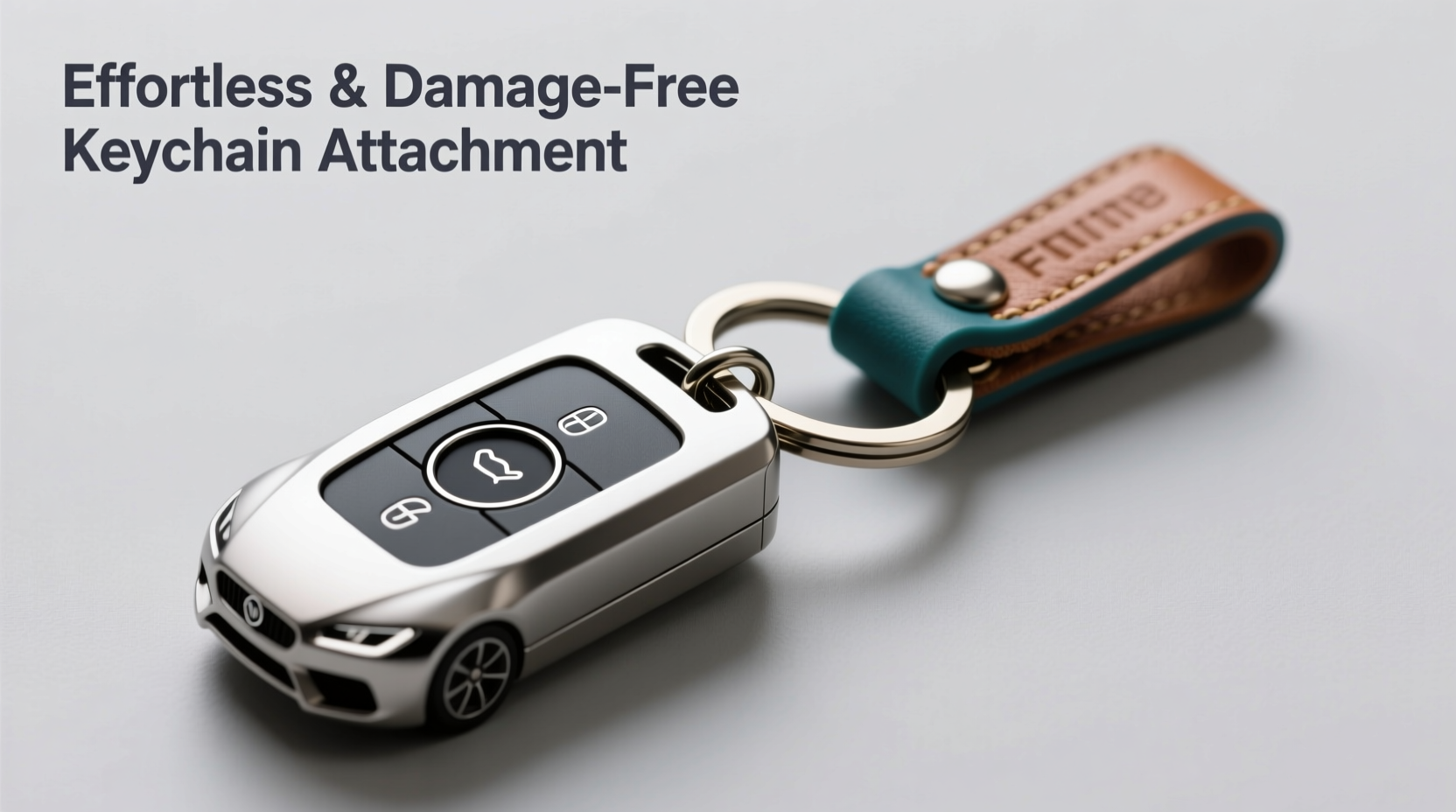
Modern car keys are more than simple metal tools—they often contain delicate electronics, RFID chips, or remote start systems. Even traditional keys rely on precise tolerances for smooth ignition engagement. When extra weight or friction is introduced through poorly attached keychains, several issues may arise:
- Keyring deformation: Constant stress from heavy attachments can stretch or snap inexpensive rings.
- Scratches on key fobs: Metal-on-plastic contact leads to cosmetic and structural degradation.
- Internal circuit damage: Excessive vibration or impact can harm embedded electronics.
- Ignition cylinder wear: A bulky keychain increases torque during insertion/removal, accelerating lock wear.
“Overloading a keyring might seem minor, but mechanics see it as one of the top preventable causes of early key failure.” — Daniel Reyes, Automotive Locksmith & Key Systems Specialist
Choosing the Right Attachment Method
The safest way to add a keychain starts with selecting an appropriate attachment method. Not all connectors are created equal. Below is a comparison of common options based on security, ease of use, and risk of damage.
| Attachment Type | Security Level | Damage Risk | Best For |
|---|---|---|---|
| Split Ring (Standard) | Moderate | High (if overloaded) | Lightweight keys only |
| Quick-Link/Key Clip | High | Low | Smart fobs, multi-key sets |
| Silicone Key Cover + Loop | Moderate | Very Low | Protecting OEM finish |
| Carabiner Mini | High | Medium (scratching) | Frequent detachment needs |
| Key Lanyard with Knot Stopper | Low-Moderate | Low | Decorative, lightweight chains |
Avoid forcing additional items onto already crowded split rings. Instead, consider upgrading to a dedicated key organizer system designed for layered access and minimal strain.
Step-by-Step: Securely Attach a Keychain Without Damage
Follow this five-step process to ensure your keychain adds flair—not flaws—to your everyday carry.
- Evaluate your current key setup. Remove all accessories and inspect for existing cracks, warping, or loose components. Discard worn rings before proceeding.
- Select a low-profile connector. Opt for a micro carabiner or push-pin key clip instead of threading directly onto the factory ring.
- Attach via secondary loop. If your key fob has a built-in lanyard hole (often hidden under branding), thread a thin cord or paracord loop through it rather than loading the main ring.
- Add the keychain to the connector. Clip or tie your decorative chain, tag, or tool to the new attachment point—not the original ring holding your actual keys.
- Test movement and clearance. Shake gently and check for rubbing against buttons or edges. Ensure nothing interferes with button presses or pocket retrieval.
This approach isolates stress away from critical components while still allowing full customization freedom.
Real Example: How One Driver Prevented Costly Repairs
Mark, a delivery driver in Austin, TX, used a large novelty keychain shaped like a tire wrench. After six months, his key fob stopped unlocking the car remotely. He assumed battery failure, but diagnostics revealed internal solder fractures caused by constant jostling. His mechanic noted: “The added weight turned every bump into a tiny hammer strike on the circuit board.”
After switching to a silicone sleeve with a side-mounted quick-link for his smaller backup keychain, Mark reported smoother operation and no further issues over the next 18 months. The change took less than two minutes and cost under $5.
Pro Tips for Long-Term Key Health
Even with secure attachment, long-term protection requires ongoing habits. Consider these best practices:
- Limit total weight: Keep combined accessory weight under 2 ounces (57 grams) to reduce mechanical stress.
- Use rubber washers: Place small O-rings between metal links to dampen vibration and noise.
- Rotate keychains seasonally: Reduce wear by alternating between designs instead of permanent attachment.
- Avoid magnetic clips near fobs: Strong magnets can interfere with internal sensors or wireless signals.
- Clean regularly: Wipe down keys and connectors monthly to remove dirt buildup that accelerates corrosion.
“Think of your key like a precision instrument. It doesn’t need jewelry—it needs thoughtful handling.” — Lena Patel, Vehicle Electronics Engineer at a Major German Automaker
FAQ
Can I glue a keychain directly to my key fob?
No. Adhesives like super glue or epoxy create irreversible bonds and may seep into seams, damaging internal electronics. They also make battery replacement difficult or impossible. Always use mechanical fasteners that allow disassembly.
Is it safe to use a leather key strap?
Yes, if properly attached. Use a stitched leather loop connected via a separate clip or D-ring, not threaded onto the primary keyring. Avoid wet leather, which can promote mold or metal corrosion over time.
What's the lightest secure option for frequent travelers?
A retractable tether clipped to a belt loop offers hands-free security without adding bulk to the keyring. Pair it with a minimalist titanium keychain for durability and ultra-low weight.
Checklist: Safe Keychain Integration
Before finalizing your setup, run through this checklist:
- ✅ Removed any damaged or overstretched rings
- ✅ Chosen a non-load-bearing attachment method (clip, lanyard, sleeve)
- ✅ Verified no interference with buttons or sensors
- ✅ Limited total dangling weight to under 2 oz
- ✅ Tested durability with simulated daily motion (shaking, dropping)
- ✅ Confirmed easy removal for battery changes or service
Conclusion
Attaching a keychain doesn’t have to mean sacrificing function for fashion. With the right tools and techniques, you can personalize your keys effortlessly while protecting their performance and lifespan. Simple upgrades—like switching to a quick-link or using a protective sleeve—can prevent expensive replacements down the road.




 浙公网安备
33010002000092号
浙公网安备
33010002000092号 浙B2-20120091-4
Comments
No comments yet. Why don't you start the discussion?