
Designer coin purses are more than just functional—they’re fashion statements. Whether it’s a sleek Gucci, a timeless Chanel, or a minimalist Bottega Veneta, these accessories demand care and thoughtful customization. One common desire among owners is attaching a keychain for convenience and personal flair. However, doing so incorrectly can compromise the purse’s integrity, lead to hardware damage, or even void warranties. The challenge lies in finding methods that are both secure and non-invasive.
The goal isn’t just attachment—it’s seamless integration. A well-attached keychain should feel like a natural extension of the purse, not an afterthought. With the right tools and techniques, you can achieve this balance effortlessly. Below are proven, low-impact strategies that preserve your investment while enhancing usability.
Why Secure Attachment Matters
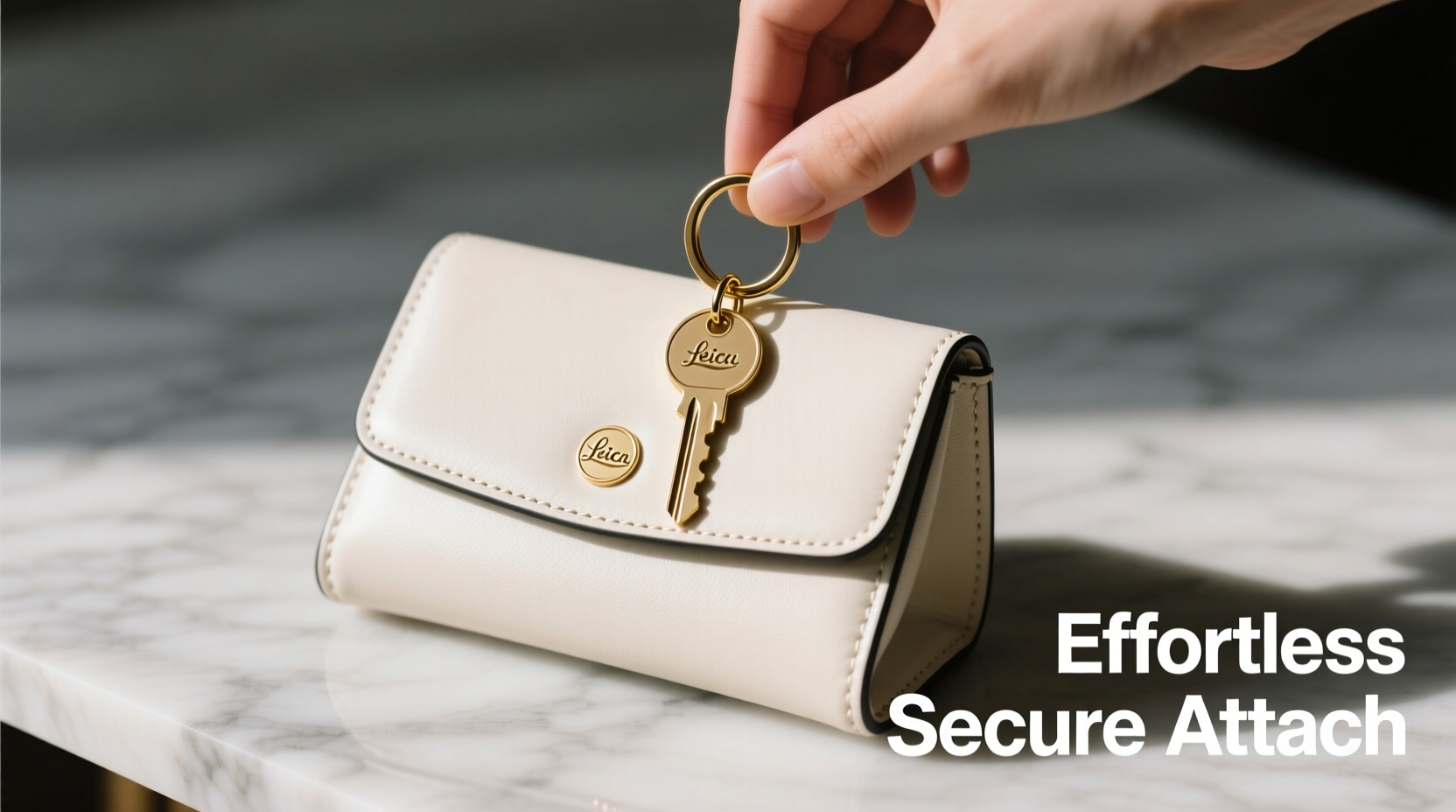
A loosely dangling keychain may seem harmless, but over time, it can cause stress on stitching, scratch delicate finishes, or snag on clothing. Designer materials—especially exotic leathers, patent finishes, or embellished fabrics—are particularly vulnerable. Moreover, many high-end brands use lightweight chains or minimal hardware, which aren’t designed to bear extra weight or constant tugging.
Secure attachment prevents:
- Accidental loss of keys or the purse itself
- Wear on zippers, seams, or corner guards
- Scratches from metal-on-leather contact
- Deformation of the purse’s shape due to uneven weight distribution
“Even small additions like keychains can accelerate wear if improperly attached. It’s about distributing force intelligently.” — Lila Nguyen, Accessory Design Consultant at Atelier Luxe
Step-by-Step: How to Attach a Keychain Without Damage
Follow this timeline to ensure a secure, elegant, and reversible connection:
- Evaluate the purse’s structure: Look for built-in loops, D-rings, or zipper pulls. Avoid stitching into leather unless absolutely necessary.
- Choose the right keychain: Opt for lightweight, compact designs. Avoid bulky or heavy charms.
- Select a non-permanent connector: Use a split ring, lobster clasp, or micro-carabiner instead of glue or permanent rivets.
- Attach via existing hardware: Loop through zipper pulls or D-rings. Never force open closed rings.
- Test movement and tension: Gently tug to simulate daily motion. Ensure no fabric puckering or strain.
- Monitor regularly: Check weekly for signs of wear, especially on leather near metal contacts.
Best Methods Compared: Do’s and Don’ts
| Method | Pros | Cons | Verdict |
|---|---|---|---|
| Clip to zipper pull | No modification; fully reversible | May stretch pull over time | ✅ Recommended for most users |
| Use a leather loop adapter | Distributes weight evenly; stylish | Slight added bulk | ✅ High-end solution |
| Sewing a fabric loop | Customizable placement | Permanent; risk of thread breakage | ⚠️ Only for experienced sewers |
| Glue-on magnetic clasp | Easy installation | Residue; damages finish | ❌ Not recommended |
| Drilling and riveting | Extremely secure | Irreversible; voids warranty | ❌ Avoid on designer pieces |
Real Example: Preserving a Limited-Edition Coin Purse
Clara, a collector in Paris, owns a limited-edition Saint Laurent Loulou coin purse in crocodile-embossed leather. She wanted to attach a vintage gold key charm passed down from her grandmother. Rather than clip it directly to the delicate zipper pull, she used a 10mm stainless steel split ring connected to a slim, neutral-toned leather tab. The tab was then threaded through the zipper pull and secured with a knot hidden beneath the metal hardware.
This method allowed the charm to dangle freely without direct metal-to-leather contact. After six months of daily use, there were no signs of wear. Clara reported that the setup felt balanced and never caught on her coat linings. Her approach exemplifies how respect for material and design leads to lasting functionality.
Checklist: Pre-Attachment Safety Review
Before attaching any keychain, run through this checklist:
- ☐ Confirm the purse has a loop, ring, or pull suitable for attachment
- ☐ Weigh the keychain—ideally under 1.5 oz (40g)
- ☐ Inspect for sharp edges on the keychain that could scratch
- ☐ Choose a connector that opens and closes smoothly (lobster clasp preferred)
- ☐ Test fit without full attachment first
- ☐ Consider using a protective sleeve (like silicone tubing) on split rings to prevent micro-scratches
FAQ: Common Concerns Answered
Can I attach a keychain to a purse without any loops or rings?
Yes, but proceed with caution. The safest option is a detachable leather or nylon lanyard that wraps around the purse body and fastens with a snap or button. These distribute pressure and avoid puncturing. Avoid adhesive solutions, as they degrade leather finishes over time.
Will attaching a keychain void my designer purse’s warranty?
It depends on the brand. Most luxury houses, including Louis Vuitton and Prada, state that modifications—such as drilling, gluing, or permanent alterations—void warranty coverage. Non-invasive attachments (e.g., clipping to existing hardware) are generally acceptable, but always check the care booklet or consult customer service.
How do I clean around the keychain attachment point?
Use a soft, dry microfiber cloth to gently wipe the area weekly. For leather, apply a pH-balanced conditioner sparingly, avoiding direct contact with metal connectors. Remove the keychain during deep cleaning to prevent trapped moisture and potential tarnishing.
Expert-Approved Accessories for Safe Attachment
Not all keychains are created equal. Experts recommend investing in purpose-designed accessories that prioritize function and preservation:
- Tiny lobster clasps (6–8mm): Ideal for precise, strong connections without bulk.
- Leather key fobs with loop ends: Blend seamlessly with designer aesthetics and reduce metal friction.
- Silicone-coated split rings: Prevent scratching while maintaining durability.
- Magnetic disconnect safety tethers: Release under sudden pull, protecting both purse and keys.
“The best accessory is one you don’t have to think about. If it’s secure and subtle, it disappears into the design.” — Marcus Reed, Luxury Hardware Designer
Conclusion: Style Meets Smart Functionality
Attaching a keychain to a designer coin purse doesn’t have to be a trade-off between practicality and preservation. With thoughtful selection and careful execution, you can enhance accessibility without compromising craftsmanship. The key is respecting the original design—working with it, not against it.
Start by assessing your purse’s existing features, choose lightweight, smooth connectors, and avoid permanent changes. Whether you opt for a simple split ring or a custom leather adapter, the result should feel intentional and elegant.




 浙公网安备
33010002000092号
浙公网安备
33010002000092号 浙B2-20120091-4
Comments
No comments yet. Why don't you start the discussion?