
Sleeveless jackets are often seen as transitional pieces—ideal for spring or early fall—but with the right approach, they can become powerful tools in your cold weather wardrobe. The key lies in intelligent layering, strategic fabric selection, and thoughtful coordination. As temperatures dip but don’t yet demand heavy coats, sleeveless outerwear offers freedom of movement, breathability, and a modern silhouette that’s both functional and fashion-forward. Whether you’re navigating city commutes, weekend errands, or casual gatherings, mastering how to wear a sleeveless jacket during colder months ensures warmth without sacrificing style.
Why Sleeveless Jackets Work in Cold Weather Transitions
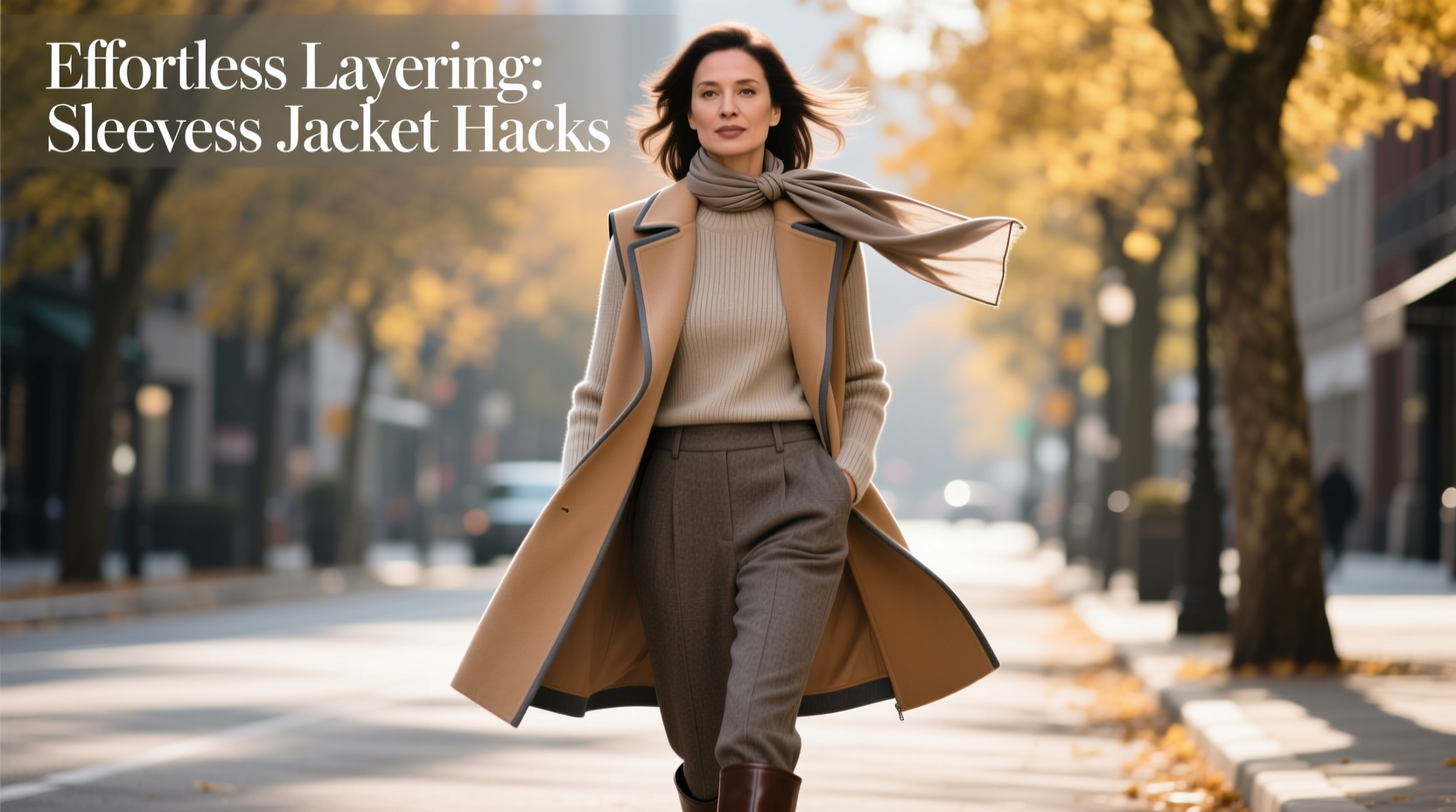
The appeal of a sleeveless jacket in cooler climates isn’t just aesthetic—it’s practical. Without sleeves, these garments allow for greater arm mobility and prevent overheating when layered over long-sleeved base layers. They also avoid the bulkiness that full-coat layering can introduce, especially when wearing sweaters or thermal tops underneath.
Additionally, many sleeveless jackets are designed with insulation in mind. Puffer vests, wool gilets, and quilted body warmers are commonly filled with down, synthetic fibers, or fleece linings that trap heat close to the core—the body’s most critical area for maintaining temperature. This makes them ideal for stabilizing warmth where it matters most, even when limbs are covered by other means.
“Layering is not about adding bulk—it’s about creating intelligent zones of warmth. A sleeveless jacket acts as a thermal anchor for the torso while allowing flexibility elsewhere.” — Lena Torres, Fashion Stylist & Sustainable Wardrobe Consultant
Smart Layering Techniques for Maximum Warmth
The foundation of styling a sleeveless jacket in cold weather is layering. Done well, it combines function and form seamlessly. Start from the inside out: begin with a moisture-wicking base layer, add an insulating mid-layer, and finish with the sleeveless jacket as your outer shell.
Consider this progression:
- Base Layer: Fitted merino wool or thermal long-sleeve top. These materials regulate temperature and wick sweat, keeping you dry.
- Mid-Layer: Lightweight turtleneck, cardigan, or shacket (shirt-jacket). This adds insulation without excessive volume.
- Outer Layer: Your sleeveless jacket. Choose one with a high collar or adjustable hem for added wind protection.
To maintain visual balance, match the color tone across layers. For example, pair a charcoal gray puffer vest with a black turtleneck and dark denim. Monochromatic dressing elongates the silhouette and keeps the look polished despite multiple pieces.
Fabric Choices That Enhance Performance
Not all sleeveless jackets perform equally in cooler conditions. Material determines warmth, breathability, and durability. Here’s a quick comparison of common options:
| Fabric Type | Warmth Level | Breathability | Best For |
|---|---|---|---|
| Down-Filled Puffer | High | Moderate | Cold, dry conditions |
| Synthetic Insulated | Medium-High | Good | Damp or humid environments |
| Wool or Tweed Gilet | Medium | Excellent | Urban settings, office wear |
| Fleece Vest | Low-Medium | Very Good | Active use, mild chill |
| Quilted Nylon | Low | Good | Wind resistance, light layering |
For true cold weather versatility, prioritize insulated models with wind-resistant shells and interior linings. Features like snap buttons, adjustable drawstrings, and interior pockets enhance usability and comfort.
Real-Life Example: Commuting in Early Winter
Take Sarah, a graphic designer living in Chicago. Each morning, she walks 15 minutes to the train station, where indoor heating quickly warms her environment. Wearing a full coat would leave her overheated indoors and chilly outside. Her solution? A navy blue down-filled sleeveless jacket over a fitted cashmere-blend turtleneck. She pairs it with a wool scarf and leather gloves. The vest keeps her core warm during the walk, and once inside, she removes the gloves and feels no need to take off her entire outer layer. It’s efficient, elegant, and adaptable.
Styling Tips for Different Occasions
A sleeveless jacket doesn’t have to be limited to casual outings. With the right pairing, it transitions smoothly across contexts.
- Workwear: Pair a tailored wool gilet with a button-down shirt and blazer underneath. Add dress trousers and oxfords for a professional edge.
- Casual Weekend: Layer a quilted nylon vest over a hoodie and jeans. Finish with hiking boots or clean sneakers.
- Evening Out: Combine a sleek black puffer vest with a roll-neck sweater, slim-fit chinos, and Chelsea boots for a minimalist urban look.
Step-by-Step Guide: Building a Cold-Weather Ensemble
Follow this sequence to create a balanced outfit using a sleeveless jacket:
- Assess the forecast: Determine expected temperature and wind levels.
- Select your base: Choose a breathable, close-fitting long-sleeve top.
- Add mid-layer: Introduce a sweater or shirt depending on needed insulation.
- Put on the sleeveless jacket: Ensure zippers or buttons close comfortably without strain.
- Complete with accessories: Add hat, scarf, and gloves to protect extremities.
- Test mobility: Move arms freely to confirm unrestricted motion.
Common Mistakes to Avoid
Even seasoned dressers can misstep when integrating sleeveless pieces into colder rotations. Watch out for these pitfalls:
- Over-layering: Too many thick garments underneath cause discomfort and ruin the jacket’s drape.
- Ignoring neck exposure: Without a proper scarf or high collar, heat escapes rapidly from the upper chest.
- Mismatched proportions: A boxy vest over a loose sweater creates a shapeless profile.
- Skipping waterproofing: In wet conditions, non-water-resistant fabrics absorb moisture and lose insulating properties.
Checklist: Optimizing Your Sleeveless Jacket Wear
- ✔️ Confirm the jacket fits snugly but allows room for layering
- ✔️ Choose a thermal or merino base layer
- ✔️ Select a mid-layer that complements without bulking
- ✔️ Use gloves and a scarf to offset lack of sleeves
- ✔️ Store properly when not in use—avoid damp areas
- ✔️ Clean according to care label to preserve insulation
FAQ
Can I wear a sleeveless jacket in freezing temperatures?
Yes, but only as part of a layered system. Pair it with a heavy thermal base, insulated mid-layer, and full accessories. It won’t replace a winter parka in extreme cold, but it works well in urban settings with intermittent indoor warmth.
Are sleeveless jackets suitable for formal settings?
Absolutely—if styled correctly. A wool or tweed gilet worn over a dress shirt and under a suit jacket is a classic British tailoring choice, often seen in country estates or academic environments.
How do I prevent cold air from entering at the armholes?
Look for sleeveless jackets with elasticized or ribbed armhole trim. Alternatively, wear a long-sleeve base with snug cuffs that seal against the skin just below the shoulder line.
Final Thoughts: Embrace Versatility with Confidence
Styling a sleeveless jacket during cold weather transitions isn’t about compromise—it’s about optimization. By focusing on core warmth, smart fabric choices, and complementary accessories, you turn what some see as a seasonal limitation into a year-round asset. The modern wardrobe thrives on adaptability, and few pieces offer the flexibility, comfort, and style potential of a well-chosen sleeveless outer layer.




 浙公网安备
33010002000092号
浙公网安备
33010002000092号 浙B2-20120091-4
Comments
No comments yet. Why don't you start the discussion?