
Eggs have long been a kitchen staple—affordable, versatile, and packed with nutrition. But in recent years, many consumers have found themselves staring at empty grocery store shelves or recoiling at prices that once seemed unthinkable. What was once a $2 carton now often costs $5 or more, and availability fluctuates unpredictably. The reasons behind this crisis are complex, involving disease outbreaks, production challenges, inflation, and shifting consumer habits. Understanding the full picture helps explain not only why eggs are scarce and expensive but also what might change in the future.
Avian Influenza: The Primary Driver of Egg Shortages
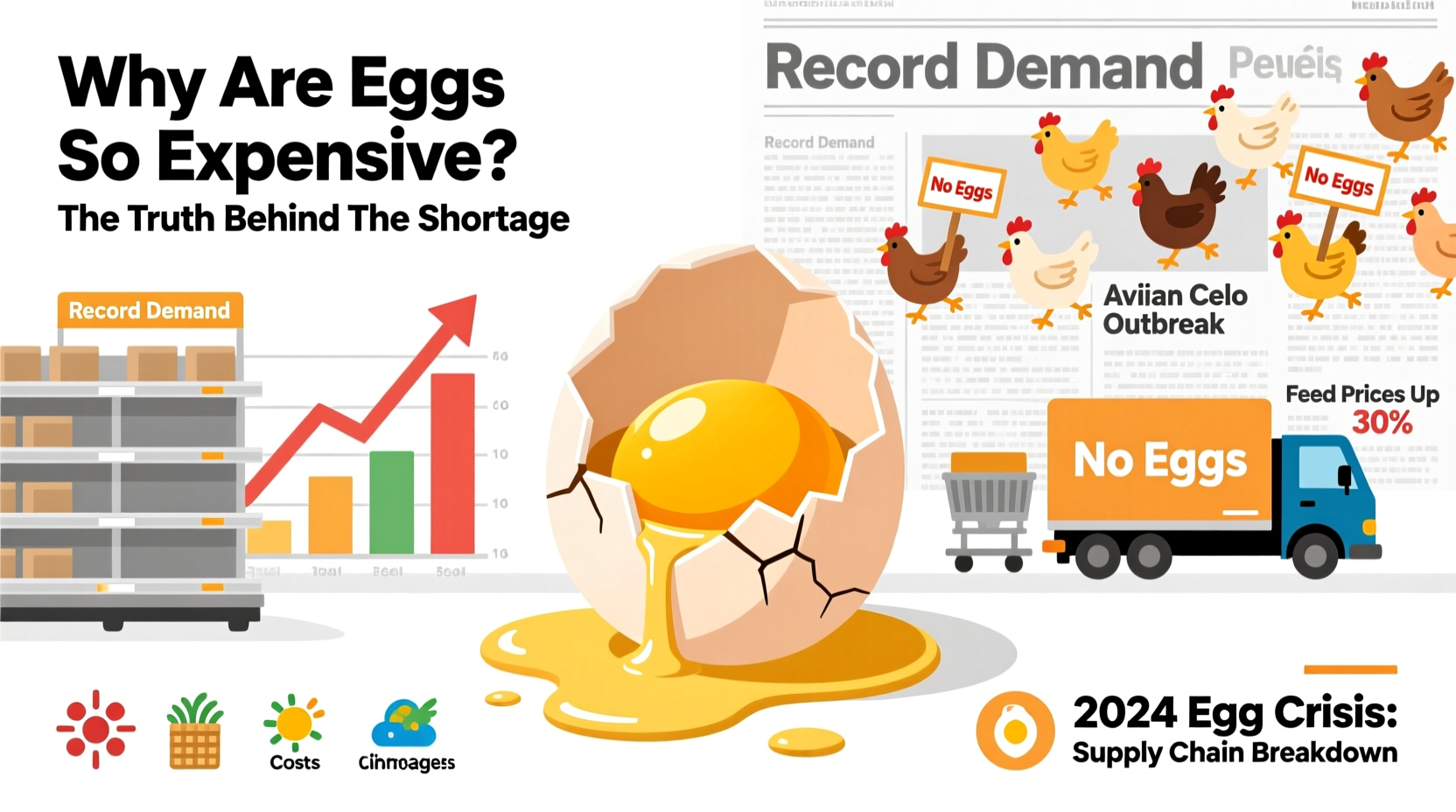
The most significant factor behind the current egg shortage is the recurring outbreak of highly pathogenic avian influenza (HPAI), commonly known as bird flu. Since 2022, the United States has experienced one of the worst bird flu epidemics in its history, affecting tens of millions of laying hens across dozens of states. When an outbreak occurs, entire flocks must be culled to prevent further spread, leading to immediate drops in egg supply.
According to the U.S. Department of Agriculture (USDA), over 58 million birds were affected during the 2022–2023 outbreak alone—more than any previous year. Major egg-producing states like Iowa, Minnesota, and California saw massive losses. With fewer hens laying eggs, supply chains tightened rapidly, pushing prices upward.
“Bird flu doesn’t just kill birds—it disrupts the entire breeding and rearing pipeline. Rebuilding flocks takes months, sometimes over a year.” — Dr. Margaret Davis, Poultry Health Specialist, University of Illinois
Even after farms are declared safe for restocking, reintroducing new pullets (young hens) requires time. It takes about 18–20 weeks for a pullet to mature and begin laying eggs. This lag means recovery from an outbreak isn’t immediate, prolonging shortages and keeping prices high.
Inflation and Rising Production Costs
Beyond disease, economic forces have significantly contributed to rising egg prices. Like all food products, egg production depends on inputs such as feed, transportation, labor, and energy—all of which have become more expensive in recent years.
- Feed costs: Corn and soybeans make up the bulk of poultry feed. Global supply disruptions and increased demand have driven these commodity prices up sharply.
- Fuel and transport: Higher diesel prices increase the cost of moving eggs from farms to processing plants and distribution centers.
- Labor shortages: Many farms struggle to hire and retain skilled workers, leading to wage increases that are passed on to consumers.
- Packaging materials: Plastic, cardboard, and labeling supplies have also risen in price due to manufacturing constraints and material scarcity.
These combined factors squeeze profit margins for producers, who then raise wholesale prices. Retailers follow suit, resulting in the steep price hikes seen at supermarkets.
Supply Chain Disruptions and Market Consolidation
The modern egg industry operates within a tightly coordinated—but fragile—supply chain. A small number of large producers dominate the market, meaning that when one major facility goes offline due to disease or equipment failure, the ripple effects are widespread.
Processing bottlenecks, refrigerated truck shortages, and labor issues at packing facilities can delay deliveries even when eggs are available. Seasonal demand spikes—such as around Easter—exacerbate these problems, leading to temporary sellouts.
Additionally, increasing consolidation in the agricultural sector means fewer independent farms are supplying eggs. While this can improve efficiency, it reduces redundancy. If a single mega-farm loses half its flock, there’s less backup capacity elsewhere to absorb the loss.
Do’s and Don’ts During an Egg Shortage
| Do | Don't |
|---|---|
| Check smaller grocery stores or local farmers' markets | Panic-buy and hoard eggs |
| Use frozen or powdered eggs as substitutes | Assume prices will drop immediately after news of recovery |
| Store eggs properly to extend shelf life | Ignore expiration dates or storage conditions |
| Explore alternative proteins like tofu or legumes | Waste eggs due to poor planning |
Real Example: The Midwest Farm Crisis of 2022
In early 2022, a family-run egg farm in northwest Iowa housed over 2 million laying hens—their largest operation to date. After routine testing detected HPAI in one barn, state veterinarians mandated the depopulation of the entire flock to contain the virus. Within days, the farm lost nearly all its productive birds.
Rebuilding required purchasing new pullets, retrofitting barns with enhanced biosecurity measures, and waiting nearly five months before any eggs could be collected again. During that time, contracts with grocery chains were suspended, and regional retailers reported persistent low inventory. Even after resuming operations, the farm operated at 70% capacity for over a year due to ongoing health monitoring and slower-than-expected flock growth.
This case reflects a broader national trend: individual farm crises compound into systemic shortages, with lasting impacts on availability and pricing.
How Long Will High Prices Last?
While bird flu outbreaks are seasonal—typically peaking in spring and fall—their aftermath lingers. As of 2024, the USDA reports that commercial egg-laying hen populations have rebounded to about 92% of pre-crisis levels. However, full recovery depends on sustained disease control, stable feed prices, and resilient supply chains.
Experts predict that egg prices will remain elevated through 2025, gradually declining only if no major new outbreaks occur. Some analysts warn that climate change may increase the frequency of animal disease outbreaks, making future shortages more likely.
Step-by-Step: How to Adapt to Egg Scarcity
- Monitor local availability: Visit stores early in the week when shipments arrive.
- Switch to store brands: They’re often sourced from the same suppliers as name brands but cost less.
- Buy direct from farms: Many local farms sell eggs at farmers’ markets or via CSA programs.
- Use substitutes: For baking, try applesauce, mashed banana, or flaxseed meal (1 tbsp ground flax + 3 tbsp water = 1 egg).
- Preserve what you have: Keep eggs in their original carton in the coldest part of the fridge, not the door.
Frequently Asked Questions
Are organic or cage-free eggs more affected by shortages?
Yes, often more so. Cage-free and organic hens are typically housed in larger open barns, which makes them more vulnerable to airborne diseases like bird flu. Additionally, these systems require more space and specialized feed, slowing recovery times after an outbreak.
Can I trust imported eggs during a shortage?
The U.S. imports a limited number of shell eggs, primarily from Canada under strict sanitary protocols. However, import volumes are too small to significantly impact domestic supply. Most “imported” egg products are actually liquid or powdered eggs used in processed foods.
Will backyard chickens solve the problem?
For individuals, raising backyard chickens can provide a personal supply and reduce grocery bills. But on a national scale, hobby flocks don’t offset commercial losses. Still, interest in home flocks surged during the shortage, with hatcheries reporting waitlists over six months long.
Conclusion: Navigating the New Normal
The egg shortage is more than a temporary inconvenience—it’s a symptom of deeper vulnerabilities in our food system. From disease risks to concentrated production models, the fragility of egg supply reveals how interconnected global agriculture truly is. While prices may eventually stabilize, recurring threats mean volatility could become the norm rather than the exception.
Consumers who adapt by learning preservation techniques, exploring alternatives, and supporting local producers will be better equipped to handle future disruptions. Awareness, flexibility, and informed choices are the best tools for weathering the storm—one egg at a time.




 浙公网安备
33010002000092号
浙公网安备
33010002000092号 浙B2-20120091-4
Comments
No comments yet. Why don't you start the discussion?