
Choosing the right toothbrush might seem trivial, but it directly impacts oral health, convenience, and daily habits. With options ranging from traditional manual brushes to high-tech electric models and ultra-portable foldable designs, the decision isn’t as simple as it once was. Each type offers distinct advantages and trade-offs in cleaning power, travel-friendliness, cost, and ease of use. Understanding these differences can help determine whether upgrading is truly beneficial—or if sticking with the basics still makes sense.
Cleaning Effectiveness: Power vs Precision
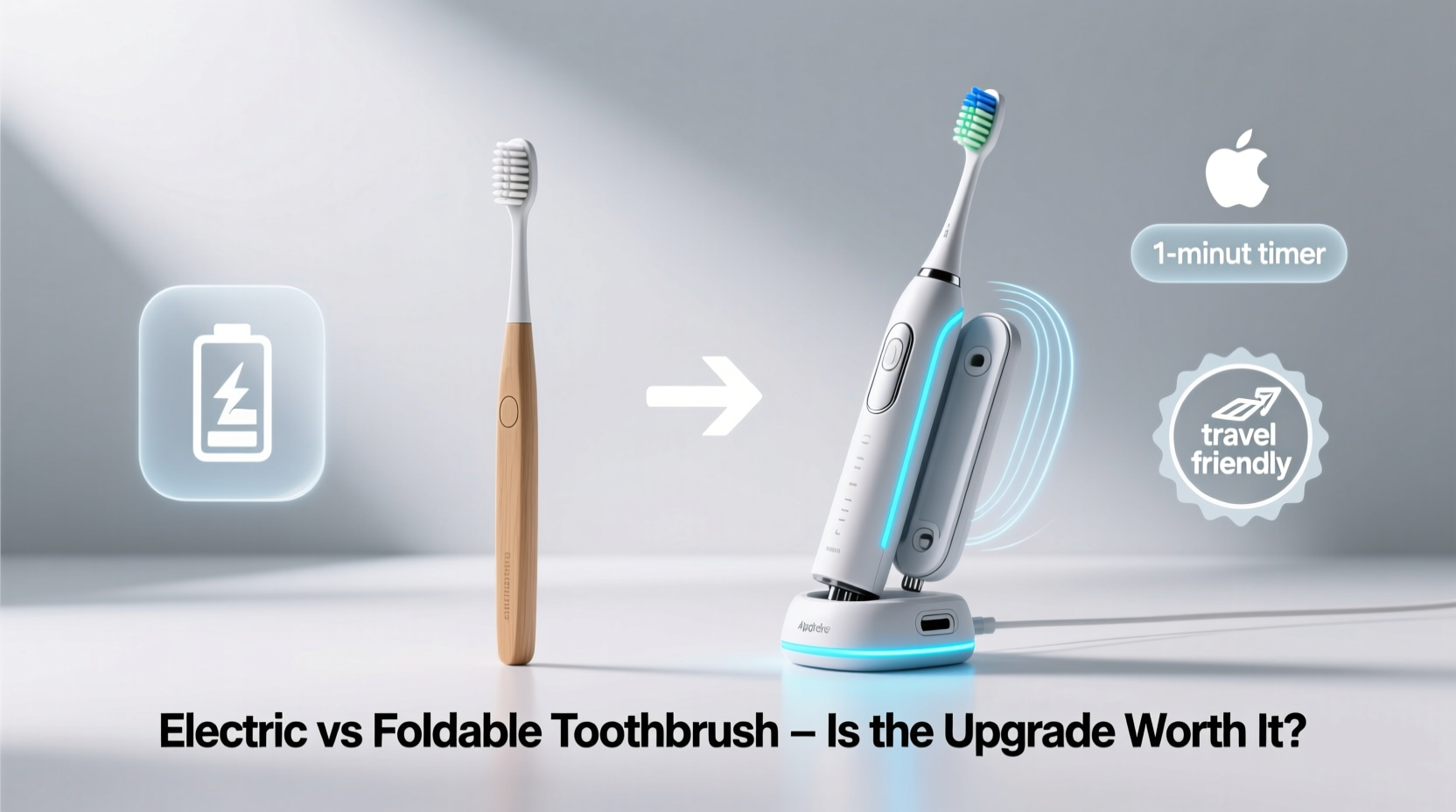
When it comes to plaque removal and gum health, not all toothbrushes perform equally. Electric toothbrushes are widely recognized for their superior cleaning ability. Most models use oscillating or sonic technology to deliver thousands of brush strokes per minute—far exceeding what a manual brush can achieve.
Studies published by the Cochrane Database of Systematic Reviews indicate that electric toothbrushes reduce plaque by 21% and gingivitis by 11% over a three-month period compared to manual brushing. This advantage stems from consistent motion and built-in timers that encourage users to brush for the full two minutes recommended by dentists.
“Electric toothbrushes offer a measurable improvement in plaque control, especially for individuals with limited dexterity.” — Dr. Linda Park, Clinical Dentist and Oral Health Researcher
Foldable toothbrushes, on the other hand, are typically manual and compact by design. While convenient, they don’t enhance brushing mechanics. Their smaller heads and shorter handles may limit reach and control, potentially reducing effectiveness—especially along the gumline or in tight molars.
Portability and Convenience: Travel Smarter
Foldable toothbrushes shine in one area: mobility. Designed for travelers, gym-goers, or professionals on the move, they collapse into a compact, self-contained unit—often including a cap that doubles as a handle. Many come preloaded with toothpaste or fit discreetly into a pocket or purse.
While electric toothbrushes have become more travel-friendly—with USB charging, slim cases, and replaceable brush heads—they remain bulkier and require access to power. Airline security allows them in carry-ons, but international travelers may face outlet compatibility issues.
The real advantage of foldable brushes lies in spontaneity. For someone who brushes after lunch meetings or midday workouts, having a ready-to-use brush eliminates the need to carry a full-sized case. However, this convenience often comes at the expense of thorough cleaning due to reduced bristle surface and awkward angles.
Travel Toothbrush Comparison
| Type | Portability | Cleaning Power | Lifespan | Best For |
|---|---|---|---|---|
| Foldable Manual | ★★★★★ | ★★☆☆☆ | Single-use to 1 week | On-the-go touch-ups |
| Compact Electric | ★★★☆☆ | ★★★★★ | 6+ months (with care) | Frequent travelers prioritizing hygiene |
| Standard Electric | ★★☆☆☆ | ★★★★★ | 1–2 years | Daily home use |
Cost and Long-Term Value
Initial investment varies significantly. A quality electric toothbrush ranges from $50 to $200, with replacement heads costing $20–$30 every three months. In contrast, foldable toothbrushes are inexpensive—typically $1–$5 each—and often sold in multi-packs.
At first glance, foldables appear more economical. But because they’re frequently disposable, long-term costs add up. Someone using a new foldable brush daily would spend over $180 annually. Meanwhile, an electric toothbrush user might spend $80–$120 per year (device amortized over two years plus replacement heads).
Moreover, electric brushes tend to promote better habits through features like pressure sensors, quadrant timers, and app connectivity. These nudges can lead to improved gum health, potentially reducing future dental expenses such as deep cleanings or gum treatments.
Mini Case Study: Sarah’s Switch to Electric
Sarah, a 34-year-old teacher, used foldable toothbrushes exclusively during her workweek for quick post-lunch freshening. Over time, she noticed increased gum sensitivity and bleeding. Her dentist pointed to inconsistent brushing and inadequate plaque removal. After switching to a compact rechargeable electric model she keeps at school, her next checkup showed marked improvement in gum health. Though the upfront cost was higher, Sarah found the change worthwhile—not just for cleanliness, but for peace of mind.
Environmental Impact and Sustainability
Disposable foldable toothbrushes contribute to plastic waste. Even recyclable versions often end up in landfills due to mixed materials (plastic handle, nylon bristles). A single-user habit of daily disposables generates over 300 plastic units per year.
Electric toothbrushes generate less frequent waste—only the brush head needs replacing every three months—but those heads are rarely recyclable without special programs. Some brands, like Brush with Bamboo or Georganics, now offer compostable alternatives, though not yet integrated into mainstream electric models.
For eco-conscious users, a sustainable middle ground exists: reusable foldable brushes made from bamboo or recycled aluminum, paired with replaceable brush tips. These combine portability with lower environmental impact.
Step-by-Step: Choosing What Works for You
Deciding between electric, foldable, or basic manual brushes depends on lifestyle, priorities, and oral health goals. Follow this guide to make an informed choice:
- Assess Your Routine: Do you travel frequently? Are you likely to skip brushing without reminders? Electric models excel with consistent home use; foldables suit short-term, on-the-go needs.
- Evaluate Oral Health Needs: If you have braces, implants, or gum disease, an electric brush’s precision may be clinically beneficial.
- Consider Budget Long-Term: Factor in replacement costs and potential dental savings from better hygiene.
- Test Portability Needs: Will you actually pack an electric brush, or will a lightweight alternative get used more consistently?
- Try Before Committing: Many dentists offer samples or trial kits. Test a foldable model or borrow a friend’s electric brush before buying.
FAQ
Can I use a foldable toothbrush every day?
While possible, most foldable brushes aren’t designed for prolonged daily use. Their compact size can compromise brushing technique, and the materials may degrade faster than standard brushes. For everyday cleaning, a regular manual or electric toothbrush is preferable.
Are electric toothbrushes safe for sensitive teeth?
Yes—many electric models include sensitive modes with reduced vibration intensity. Some even feature pressure sensors that alert you if you're brushing too hard, which helps protect enamel and gums.
Do foldable toothbrushes come with toothpaste?
Some do. Pre-pasted foldable brushes contain a small amount of toothpaste coated on the bristles, sealed for freshness. These are convenient but may not provide enough paste for a full two-minute brush. Carry a mini tube if longer brushing is intended.
Final Verdict: Upgrade or Stick with Basics?
The answer depends on your definition of “upgrade.” If better cleaning, gum health, and long-term value matter most, then yes—an electric toothbrush is a worthwhile investment for most adults. It enhances consistency and effectiveness in ways manual brushing struggles to match.
However, if your priority is convenience during travel or occasional use, a foldable toothbrush serves its purpose well. It’s not meant to replace thorough brushing but to supplement it when circumstances make a full routine impractical.
Ultimately, the best toothbrush is the one you’ll use correctly and consistently. For daily home care, electric leads. For quick refreshes on the go, foldable wins. And sometimes, a reliable basic manual brush strikes the perfect balance of simplicity, affordability, and effectiveness.




 浙公网安备
33010002000092号
浙公网安备
33010002000092号 浙B2-20120091-4
Comments
No comments yet. Why don't you start the discussion?