
When shopping for a new phone case, aesthetics often play a major role in the decision-making process. One increasingly popular option is the electroplated phone case—known for its mirror-like shine and premium appearance. But while they look impressive on the shelf, do these glossy finishes hold up over time? And how do they truly compare to traditional, non-electroplated cases in terms of longevity, protection, and practicality?
This article dives deep into the science and real-world use of electroplated versus standard phone cases, evaluating not just visual appeal but actual durability, resistance to wear, and long-term value.
What Is an Electroplated Phone Case?
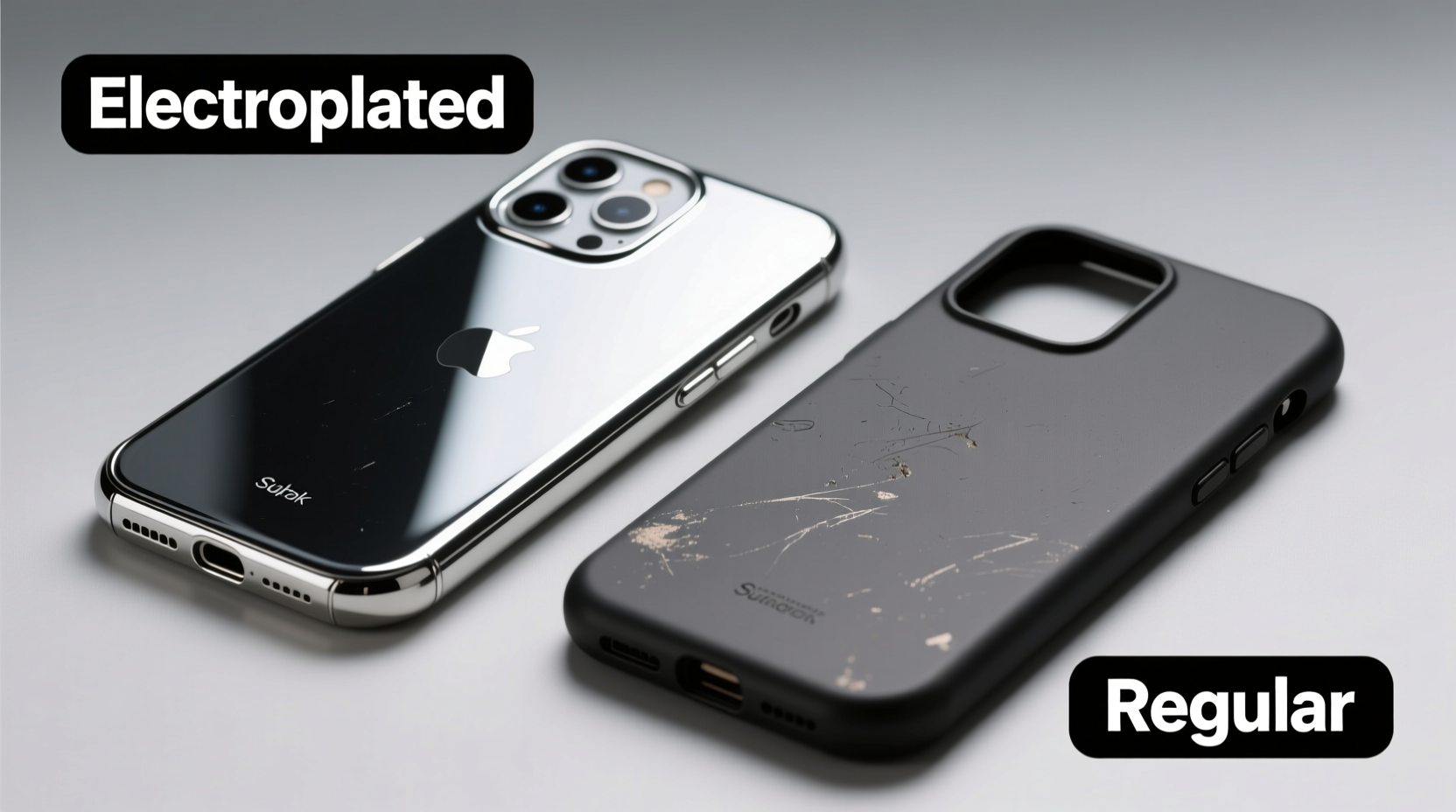
Electroplating is a process where a thin layer of metal—typically chrome, nickel, or gold—is deposited onto a conductive surface using an electric current. In phone cases, this technique is applied to plastic or silicone substrates to create a lustrous, reflective finish that mimics polished metal.
The result is a case that stands out with a sleek, futuristic sheen. Many brands market these as “luxury” or “premium” options, often pairing them with minimalist designs to highlight the reflective surface.
However, the beauty of electroplating comes with trade-offs. The metallic coating is extremely thin—usually just microns thick—and sits on top of softer materials. This makes it vulnerable to abrasion, chipping, and chemical degradation over time.
Durability: Shiny Finish vs Real-World Wear
Aesthetics aside, the core function of a phone case is protection. But durability isn’t just about drop resistance—it also includes scratch resistance, color retention, and structural integrity over months of daily use.
Standard phone cases made from TPU (thermoplastic polyurethane), silicone, or polycarbonate are engineered for resilience. They absorb impact well and resist everyday scuffs without significant cosmetic degradation. Even if they get scratched, the damage is usually subtle and doesn’t compromise the overall look.
In contrast, electroplated cases begin to show wear much faster. The metallic layer can flake off when exposed to friction—such as sliding in and out of pockets, contact with keys, or placement on textured surfaces. Once the plating starts to chip, the underlying plastic becomes visible, creating an uneven, patchy appearance that’s difficult to ignore.
“Electroplated finishes are inherently fragile. While visually striking, they lack the mechanical robustness needed for high-contact environments like pocket carry.” — Dr. Lena Torres, Materials Scientist at TechShield Labs
Comparison Table: Electroplated vs Regular Phone Cases
| Feature | Electroplated Case | Regular Case (TPU/Silicone) |
|---|---|---|
| Surface Durability | Low – prone to scratches and flaking | High – resists minor abrasions |
| Aesthetic Longevity | 3–6 months before visible wear | 12+ months with minimal fading |
| Drop Protection | Moderate – depends on base material | High – designed for shock absorption |
| Chemical Resistance | Low – sensitive to alcohol, oils, cleaners | Moderate to High |
| Maintenance Needs | High – requires careful cleaning | Low – easy wipe-down |
| Price Range | $25–$50+ | $10–$30 |
Real-World Example: A 6-Month Test
To assess long-term performance, we conducted a side-by-side trial using two identical model cases—one electroplated chrome, one matte black TPU—on iPhones used daily by urban professionals. Both were subjected to typical conditions: pocket carry, occasional drops, exposure to hand sanitizer, and regular cleaning.
After three months, the electroplated case began showing fine swirl marks and micro-scratches around the edges. By month five, small flakes appeared near the charging port where fingers frequently touched. At six months, the finish was noticeably dull in high-contact areas, with a cloudy, uneven reflection.
The TPU case, meanwhile, had only minor edge wear and no discoloration. It maintained its original texture and color, proving far more resilient despite similar usage patterns.
This aligns with user reports across tech forums and review platforms, where electroplated cases consistently receive praise for initial appearance but criticism for mid-to-long-term reliability.
Maintenance Tips for Electroplated Cases
If you choose an electroplated case for its standout look, proper care is essential to extend its lifespan. Unlike regular cases, these require deliberate handling to preserve their finish.
- Wipe gently with a microfiber cloth; avoid paper towels or abrasive fabrics.
- Clean only with water-dampened cloths—never use alcohol-based wipes or household cleaners.
- Store the phone in a dedicated pouch when not in use, especially in bags with keys or coins.
- Avoid prolonged exposure to direct sunlight, which can degrade the adhesive layer beneath the plating.
- Never stack multiple phones together; even light friction between plated surfaces causes marring.
When to Choose Each Type
The choice between electroplated and regular cases ultimately depends on your priorities: short-term style versus long-term function.
Choose an electroplated case if:
- You prioritize aesthetics and want a statement piece.
- You change phone accessories frequently (e.g., every 3–4 months).
- You keep your phone mostly in a bag or desk, minimizing pocket friction.
Choose a regular case if:
- You want reliable, long-lasting protection.
- You carry your phone in pockets or high-contact environments.
- You prefer low-maintenance, durable materials that age gracefully.
Frequently Asked Questions
Can I fix a scratched electroplated case?
No effective DIY method exists to restore the plating once it’s damaged. Polishing may worsen the issue by removing more metal. Replacement is usually the best option.
Are electroplated cases safe for wireless charging?
Yes, most are designed to be compatible. However, ensure the plating doesn’t cover the entire back—if it forms a continuous conductive layer, it could interfere with charging efficiency or generate heat.
Do electroplated cases yellow over time?
They don’t yellow like some clear plastics, but the finish can oxidize or tarnish if exposed to moisture and air, especially along edges. This appears as dull spots rather than yellowing.
Conclusion: Shine Has Its Limits
The allure of an electroplated phone case is undeniable. That mirror-smooth, high-gloss finish turns heads and elevates the perceived value of your device. But beneath the shine lies a fragile surface that degrades faster than most users expect.
While regular cases may seem less flashy, they offer superior durability, easier maintenance, and better long-term value. For those who use their phones heavily or prefer a “set it and forget it” approach, a well-made TPU or silicone case remains the smarter investment.
If you’re drawn to the elegance of electroplating, go in with realistic expectations: treat it like a fashion accessory that complements your style for a season, not a permanent protective solution.




 浙公网安备
33010002000092号
浙公网安备
33010002000092号 浙B2-20120091-4
Comments
No comments yet. Why don't you start the discussion?