
When choosing a leather protector—whether for a jacket, bag, sofa, or footwear—one of the most overlooked decisions is surface finish: embossed or plain. While both aim to shield leather from moisture, stains, and wear, their textures suggest different priorities. Embossed protectors add a raised grain pattern, mimicking exotic skins or enhancing grip, while plain options preserve the natural look and feel. But does that added texture deliver meaningful protection, or is it purely aesthetic?
The answer depends on your use case, environment, and expectations for longevity. Understanding the structural and functional differences between embossed and plain leather protectors can help you make an informed decision—not just about appearance, but long-term durability.
Understanding Leather Protectors: Function Over Form
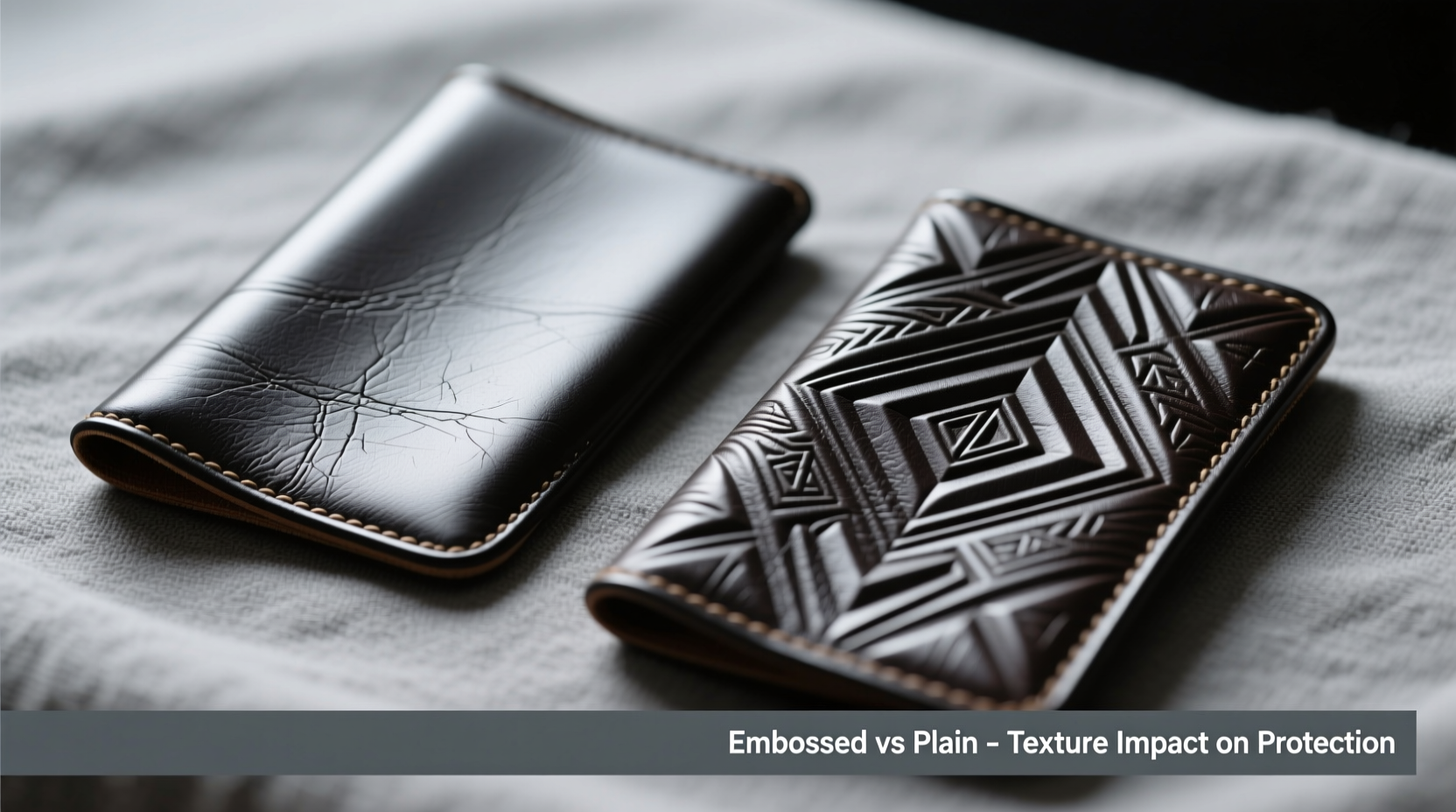
A leather protector isn’t a standalone material but a treatment or coating applied to finished leather to enhance its resistance to environmental damage. These products create a barrier against water, oils, UV rays, and abrasion. However, the application method and final texture—embossed or smooth—can influence how effectively this protection performs.
Plain leather protectors are typically clear, non-invasive coatings that dry to a smooth, nearly invisible layer. They maintain the original hand-feel of the leather while offering defense against spills and light scuffing. In contrast, embossed protectors often involve textured films or stamping processes that alter the surface during or after treatment, resulting in a more rugged appearance.
The key question isn’t whether one looks better—it’s whether the texture contributes to actual resilience. Many assume embossing adds strength, but in reality, it introduces variables that can either reinforce or compromise protection.
Performance Comparison: Protection, Durability, and Maintenance
To assess value, we must evaluate both types across core criteria: water resistance, scratch tolerance, aging behavior, and ease of upkeep.
| Feature | Plain Leather Protector | Embossed Leather Protector |
|---|---|---|
| Water Resistance | High (even, continuous film) | Moderate (texture may trap moisture at peaks/valleys) |
| Scratch Visibility | More visible on smooth surface | Less noticeable due to pattern disruption |
| Durability Over Time | Consistent; less prone to cracking | Higher risk of delamination at pattern edges |
| Cleaning Ease | Simple wipe-down | Requires brushing to remove debris from grooves |
| Natural Look Preservation | Excellent | Poor (alters original grain) |
As shown, plain protectors generally offer superior baseline protection due to uniform coverage. The lack of texture means fewer weak points where moisture or contaminants can penetrate. Embossed versions trade some functionality for visual appeal and tactile grip, which may be justified in high-use items like work gloves or motorcycle seats—but not necessarily in luxury goods.
Real-World Example: A Luxury Handbag Owner’s Dilemma
Sophia, a designer handbag collector in Chicago, faced this decision when re-treating her vintage crocodile-embossed satchel. She initially assumed the textured surface required an embossed protector to “match” the grain. After consulting a leather restoration specialist, she learned that modern plain silicone-based protectors could seal the existing embossing without altering it—while providing better moisture resistance.
She applied a plain protector and found that rain spots beaded up more effectively than before. Over six months, the bag retained its luster without the buildup or flaking common with thick, textured coatings. Her experience highlights a crucial insight: protection doesn’t need to mimic texture to be effective—and often works better when it doesn’t.
Expert Insight: What Professionals Recommend
“Many clients request embossed finishes thinking they’re getting extra armor. But in conservation, we prioritize molecular bonding over surface gimmicks. A seamless, breathable plain coating preserves leather longer.” — Daniel Reyes, Master Leather Conservator, National Textile Archive
Reyes emphasizes that the integrity of protection lies in adhesion and flexibility. Embossed layers, especially those applied as laminates, are more rigid and prone to peeling under stress or temperature changes. Plain liquid-applied protectors integrate into the leather’s pores, forming a dynamic shield that moves with the material.
He also warns against \"cosmetic reinforcement\"—the idea that texture equals toughness. “You can stamp a piece of paper to look like armor,” he says, “but it won’t stop a drop of water.” True protection comes from chemistry, not topography.
Step-by-Step Guide to Choosing the Right Protector
- Assess the item’s primary use: Is it decorative (e.g., a display purse) or utilitarian (e.g., a daily commuter bag)? High-touch items may benefit from subtle texture for grip, but only if the base protection is strong.
- Examine the existing leather grain: If the leather already has a natural or embossed texture, a plain protector will preserve it without adding competing patterns.
- Check climate and exposure: Humid or rainy environments favor plain, hydrophobic coatings. Dry, dusty areas may tolerate embossed options if cleaned regularly.
- Test compatibility: Apply a small amount of protector to an inconspicuous area. Wait 24 hours. Check for discoloration, stiffness, or peeling.
- Evaluate long-term care: Can you commit to monthly cleaning? Embossed surfaces require more maintenance to prevent grime accumulation in recesses.
When Embossing Makes Sense: Niche Advantages
Despite the advantages of plain protectors, embossed variants have legitimate uses:
- Grip enhancement: Motorcycle seats, steering wheel covers, and tool handles benefit from raised textures that reduce slippage.
- Camouflage of wear: In high-traffic commercial furniture, embossed patterns hide scratches and fading more effectively than smooth finishes.
- Design continuity: When restoring a piece with intentional alligator or ostrich patterning, an embossed protector can maintain aesthetic consistency.
However, these benefits are situational. For most personal leather goods—wallets, shoes, jackets—plain protectors deliver quieter, more reliable defense without compromising elegance.
Frequently Asked Questions
Does embossed leather protector last longer than plain?
Not inherently. While the texture may mask minor wear, embossed coatings are more likely to crack or delaminate at pattern ridges. Plain protectors adhere more uniformly and tend to degrade evenly, allowing for easier reapplication.
Can I apply a plain protector over an embossed surface?
Yes—and this is often recommended. A liquid plain protector will conform to existing texture without altering it, sealing both peaks and valleys for comprehensive protection. Avoid applying embossed films over delicate or aged leather, as they may lift original finishes.
Is embossed protector harder to clean?
Yes. Dirt and oils accumulate in the grooves of embossed patterns, requiring soft-bristle brushes or compressed air for full removal. Plain surfaces can usually be wiped clean with a damp cloth, reducing long-term maintenance effort.
Final Recommendation: Prioritize Protection, Not Texture
The allure of embossed leather protectors lies in their bold appearance and perceived ruggedness. Yet, when evaluated on performance metrics—moisture resistance, longevity, ease of care—plain protectors consistently outperform their textured counterparts. The extra texture rarely translates to meaningful protection and often introduces new vulnerabilities.
For everyday items where preservation matters, a high-quality plain leather protector offers invisible, durable defense. Reserve embossed options for cases where grip or design cohesion outweighs pure protection—such as specialty gear or themed upholstery.




 浙公网安备
33010002000092号
浙公网安备
33010002000092号 浙B2-20120091-4
Comments
No comments yet. Why don't you start the discussion?