
In today’s fast-paced world, the terms “stress” and “emotional burnout” are often used interchangeably. While both can leave you feeling overwhelmed, exhausted, and emotionally drained, they are not the same condition. Confusing one for the other can delay proper intervention and prolong suffering. Understanding the distinctions—how they develop, how they manifest, and how they affect your body and mind—is essential for taking the right steps toward recovery. This article breaks down the core differences between stress and emotional burnout, outlines warning signs, and provides practical, science-backed strategies to restore resilience and reclaim your well-being.
The Nature of Stress: A Short-Term Response
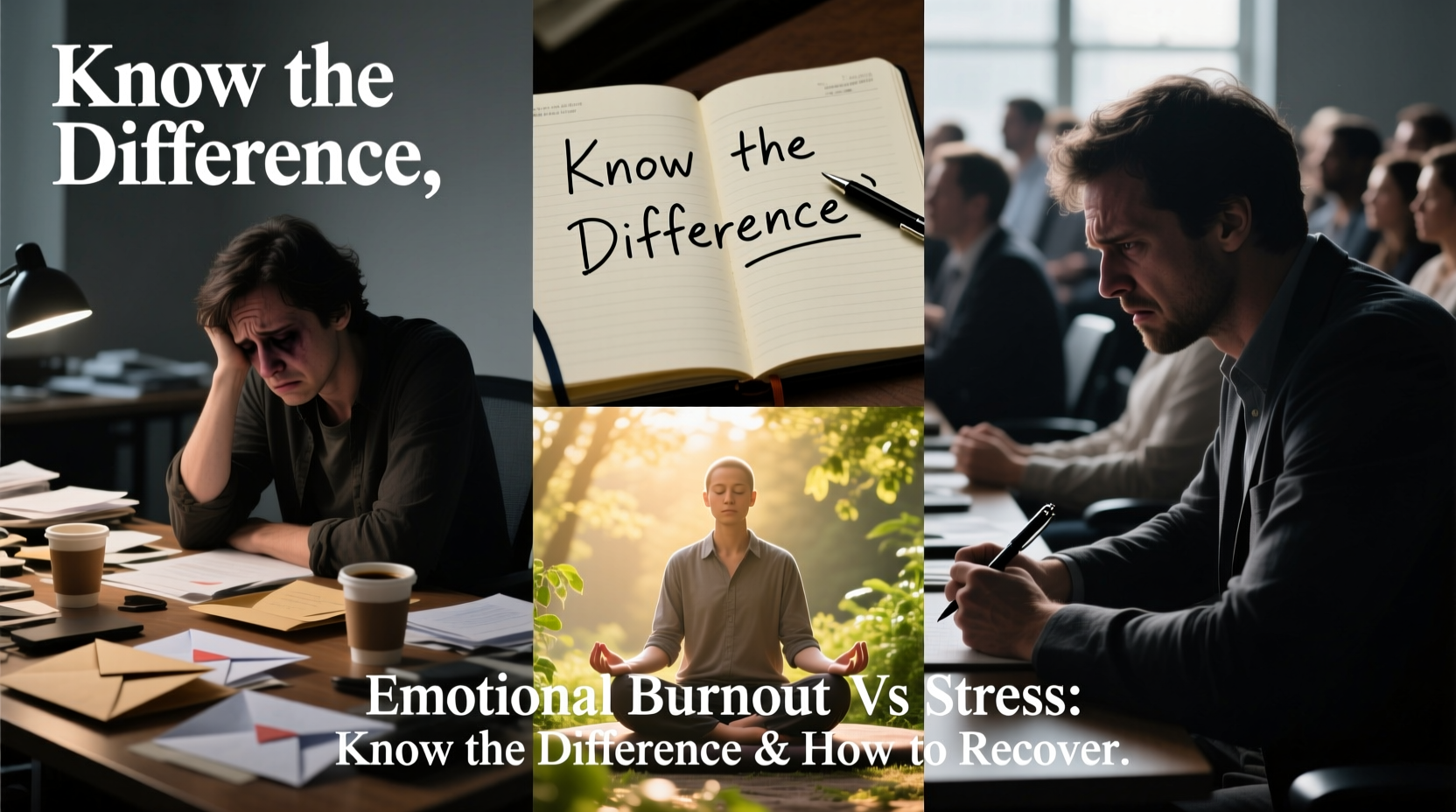
Stress is a natural physiological and psychological reaction to perceived challenges or threats. It activates the sympathetic nervous system, triggering the well-known “fight-or-flight” response. In moderate doses, stress can be beneficial—it sharpens focus, increases alertness, and helps you meet deadlines or respond to emergencies. However, when stress becomes chronic due to ongoing pressures at work, in relationships, or from financial strain, it begins to take a toll on health.
Chronic stress typically presents with symptoms such as:
- Increased heart rate and blood pressure
- Difficulty sleeping or insomnia
- Irritability and mood swings
- Muscle tension and headaches
- Racing thoughts and difficulty concentrating
What defines stress is that the individual still feels capable of managing the situation—even if barely. There’s energy, albeit misdirected; there’s motivation, though it may be fueled by anxiety. The person under stress might say, “I’m overwhelmed, but I can push through.” That sense of agency, however strained, remains.
Emotional Burnout: The End Stage of Unmanaged Stress
Burnout, formally recognized by the World Health Organization (WHO) as an occupational phenomenon, is not simply prolonged stress—it’s what happens when stress goes unaddressed for too long. Unlike stress, burnout is characterized by a profound sense of emptiness, detachment, and hopelessness. It’s less about having too much on your plate and more about feeling that nothing you do matters.
According to psychologist Christina Maslach, a leading researcher on burnout, the condition unfolds across three dimensions:
- Exhaustion: Physical, emotional, and cognitive depletion.
- Cynicism: Detachment from responsibilities, withdrawal from work or relationships.
- Inefficacy: Feelings of incompetence and lack of accomplishment.
Where stress involves being “over-engaged,” burnout is marked by disengagement. Someone experiencing burnout doesn’t feel overwhelmed by tasks—they feel indifferent to them. They may continue functioning out of obligation, but without purpose or passion.
“Burnout is not a personal failure. It’s a systemic issue rooted in chronic mismatch between job demands and resources.” — Dr. Christina Maslach, Developer of the Maslach Burnout Inventory
Key Differences Between Stress and Burnout
To clarify the distinction, consider the following comparison. Recognizing where you fall on this spectrum determines the most appropriate recovery path.
| Aspect | Stress | Burnout |
|---|---|---|
| Energy Level | Hyperactive, anxious, tense | Depleted, flat, numb |
| Emotional State | Anxious, worried, pressured | Detached, hopeless, indifferent |
| Motivation | High (driven by urgency) | Low or absent |
| Outlook | “I can’t keep up” | “Nothing matters” |
| Physical Symptoms | Tension, fatigue, digestive issues | Chronic fatigue, weakened immunity, pain |
| Duration | Short-term or episodic | Prolonged, persistent |
This table underscores a critical point: while stress can often be managed with short-term coping tools, burnout requires deeper, systemic recovery. Ignoring early signs of stress can inevitably lead to burnout—especially in high-pressure environments where rest is stigmatized and overwork is glorified.
Recovery Roadmap: From Burnout Back to Balance
Recovering from emotional burnout isn’t about working smarter or pushing harder—it’s about stepping back, reassessing priorities, and rebuilding your inner reserves. Recovery is not linear, but a structured approach can accelerate healing.
Step 1: Acknowledge the Condition
The first and most crucial step is admitting that you’re burned out. Many people resist this label, fearing it implies weakness. But burnout is not a character flaw—it’s a signal from your body and mind that something needs to change. Denial only deepens the cycle.
Step 2: Disengage Strategically
Unlike stress, which may resolve with better time management, burnout often requires temporary withdrawal. This could mean taking medical leave, reducing workload, or setting strict boundaries around availability. Even a short mental health break—a weekend digital detox or a quiet retreat—can initiate recovery.
Step 3: Rebuild Physiological Resilience
Chronic burnout disrupts the nervous system. Recovery involves restoring balance through:
- Sleep hygiene: Aim for 7–9 hours per night; maintain consistent sleep-wake times.
- Nutrition: Eat balanced meals rich in protein, complex carbs, and healthy fats to support brain function.
- Physical activity: Gentle movement like walking, yoga, or stretching reduces cortisol and boosts endorphins.
Step 4: Reconnect with Meaning
Burnout erodes your sense of purpose. Rekindling connection to meaningful activities—whether creative pursuits, volunteering, or spending time with loved ones—helps rebuild identity beyond productivity.
Step 5: Evaluate Work-Life Alignment
Long-term recovery includes assessing whether your current environment supports well-being. Ask: Does my role align with my values? Am I respected and compensated fairly? Is there room for growth—or just grind?
Mini Case Study: Recovering from Corporate Burnout
Sarah, a 34-year-old marketing manager, had been working 60-hour weeks for nearly two years. Initially driven and passionate, she began noticing changes: constant fatigue despite adequate sleep, irritability with her team, and a growing sense of futility about her projects. She dismissed it as “just stress” until she found herself crying in the office bathroom after a routine meeting.
After consulting a therapist, Sarah was diagnosed with emotional burnout. Her recovery plan included a four-week medical leave, daily mindfulness practice, and weekly therapy sessions. She also reevaluated her career path and eventually transitioned to a role with clearer boundaries and greater autonomy. Within six months, she reported renewed energy, improved relationships, and a restored sense of professional satisfaction.
Sarah’s story illustrates that burnout recovery isn’t just about rest—it’s about restructuring your relationship with work and self-worth.
Actionable Checklist for Recovery
Whether you're experiencing acute stress or deeper burnout, the following checklist offers concrete steps to begin healing:
- ✅ Acknowledge your symptoms without judgment
- ✅ Schedule a consultation with a mental health professional
- ✅ Set firm boundaries around work hours and communication
- ✅ Prioritize sleep and establish a calming bedtime routine
- ✅ Practice daily mindfulness or breathing exercises (even 5 minutes helps)
- ✅ Reduce caffeine and alcohol intake, which can worsen anxiety and sleep disruption
- ✅ Reconnect with hobbies or activities that bring joy—not productivity
- ✅ Assess your work environment: identify sources of chronic strain
- ✅ Communicate needs to supervisors or HR if workplace factors contribute
- ✅ Allow time for recovery—don’t rush back to full capacity
Frequently Asked Questions
Can you recover from burnout without quitting your job?
Yes, many people recover without leaving their roles. Success depends on making meaningful changes—such as reducing workload, improving support systems, or shifting responsibilities. Open communication with management and access to mental health resources significantly improve outcomes.
How long does it take to recover from emotional burnout?
Recovery varies by individual, but most people see improvement within 3 to 6 months with consistent self-care and professional support. Severe cases may require longer periods of rest and structural life changes. Patience and self-compassion are essential during this time.
Is burnout considered a mental illness?
Burnout is not classified as a clinical mental illness like depression or anxiety, though it often coexists with these conditions. The WHO defines it as an “occupational phenomenon” resulting from chronic workplace stress that has not been successfully managed. However, untreated burnout can increase the risk of developing diagnosable mental health disorders.
Prevention: Building Resilience Before Crisis Hits
While recovery is possible, prevention is far more sustainable. Organizations and individuals alike benefit from cultivating environments that prioritize psychological safety and work-life integration. Key preventive strategies include:
- Regular check-ins with yourself: How do you feel at the end of each week?
- Practicing micro-breaks during the workday (e.g., 5-minute walks, stretching)
- Setting clear end-of-day rituals to mentally disconnect from work
- Advocating for realistic workloads and recognition of effort
- Encouraging open conversations about mental health in teams
Employers play a vital role by fostering cultures where rest is valued, feedback is welcomed, and employees are seen as whole people—not just productivity units.
Conclusion: Reclaim Your Energy and Purpose
Understanding the difference between stress and emotional burnout is not just academic—it’s a lifeline. Stress calls for better coping mechanisms; burnout demands a fundamental reset. By recognizing the signs early, seeking support, and taking deliberate steps toward recovery, you can rebuild not only your energy but also your sense of meaning and control.
Healing begins the moment you stop blaming yourself and start listening to your body. Whether you’re navigating temporary pressure or emerging from deep exhaustion, know that recovery is not a luxury—it’s a necessity for a sustainable, fulfilling life.




 浙公网安备
33010002000092号
浙公网安备
33010002000092号 浙B2-20120091-4
Comments
No comments yet. Why don't you start the discussion?