
High heels are a cornerstone of polished dressing—elegant, empowering, and instantly elevating any outfit. Yet, their delicate construction and frequent exposure to pressure make them prone to wear and tear. Instead of retiring your favorite pair at the first sign of scuffing or wobbling, consider this: with thoughtful maintenance, most heels can last years beyond their expected lifespan. The key lies in consistent, intelligent care that preserves both form and function. These proven strategies blend practicality with style preservation, ensuring your shoes remain as reliable as they are radiant.
Rotate Your Heels to Reduce Wear Patterns
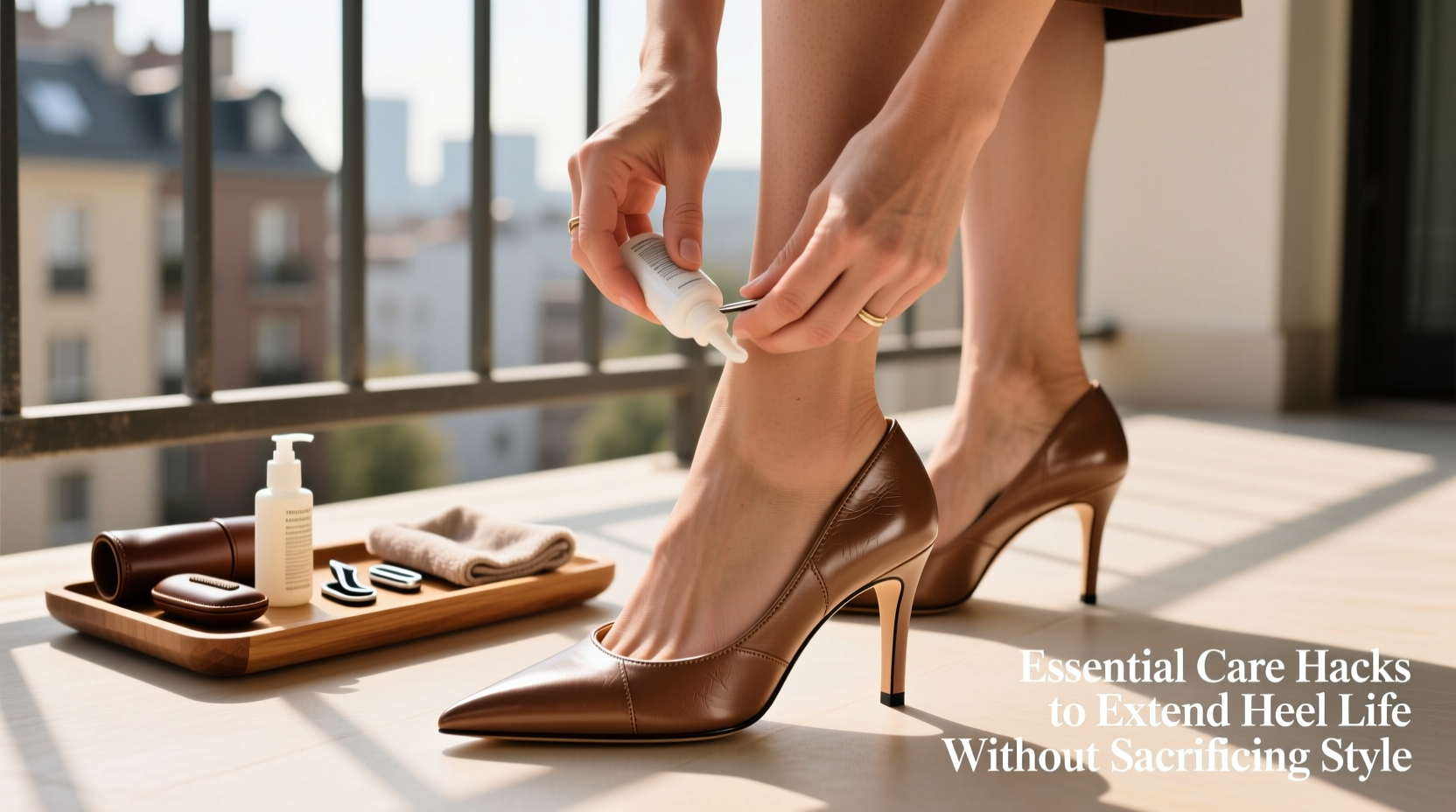
Wearing the same pair of heels day after day accelerates breakdown in specific areas—especially the heel cap, sole edges, and upper lining. Rotation allows materials to rest and recover, reducing permanent compression and stress damage. Think of it like rotating tires on a car: even distribution prevents premature failure.
Aim to own at least three go-to pairs of heels in versatile styles—nude pumps, black ankle straps, and neutral block heels—and alternate between them throughout the week. This simple habit significantly extends each shoe’s structural integrity.
Protect Soles and Heel Caps Proactively
The bottom of your heel takes the brunt of every step. Leather soles wear down quickly on concrete, while rubber heel caps crack under repeated impact. Replacing these components before they fail is far more cost-effective than reconstructing an entire heel.
Visit a reputable cobbler every 3–4 months if you wear heels frequently. Ask for:
- Rubber top pieces (protective caps) on stiletto tips
- Felt or rubber half-soles to shield leather undersides
- Heel base reinforcement for wobbly or uneven wear
These minor upgrades can double the functional life of your heels and prevent dangerous slips caused by slick or uneven surfaces.
“Shoe longevity isn’t about how often you wear them—it’s about how well you protect the contact points. A $15 heel repair can save a $200 investment.” — Marcus Tran, Master Cobbler & Footwear Restorer
Use Insoles and Liners to Preserve Interior Structure
While outer aesthetics matter, internal deterioration is often what renders heels unwearable. Sweat, friction, and foot movement degrade linings, break down padding, and warp insoles over time. Insertable solutions not only improve comfort but also act as sacrificial layers that absorb damage instead of your shoe’s original materials.
Choose thin, breathable gel or memory foam insoles designed for dress shoes. They reduce odor buildup, minimize moisture transfer, and provide arch support—critical for preventing long-term deformation of the shoe bed.
| Issue | Solution | Benefit |
|---|---|---|
| Flattened cushioning | Replaceable orthotic insole | Restores bounce, reduces foot fatigue |
| Stained or peeling lining | Moisture-wicking liner socks or inserts | Protects fabric, improves hygiene |
| Loose fit causing heel slippage | Ball-of-foot pads or heel grips | Prevents internal abrasion and blisters |
Store Heels Correctly to Maintain Shape and Material Integrity
How you store your heels impacts their shape, color retention, and susceptibility to mold. Tossing them into a closet heap leads to bent shafts, creased uppers, and dust accumulation. Proper storage isn’t just about organization—it’s preventive maintenance.
Follow this checklist to ensure optimal conditions:
- Keep in breathable cotton dust bags (never plastic)
- Store upright using heel stands or boot shapers
- Avoid direct sunlight to prevent fading and drying
- Maintain low-humidity environments (use silica packs if needed)
- Separate suede from smooth leather to avoid transfer stains
For open shelves, arrange heels by heel height and material type. This minimizes pressure on delicate straps and keeps similar care needs grouped together. If space allows, use angled display racks that allow airflow while showcasing your collection.
Combat Scuffs and Stains with Immediate Action
A single scuff doesn’t mean the end of a shoe’s beauty—but delaying treatment does. Fresh marks are easier to remove, and early intervention prevents staining compounds from bonding with fibers.
Different materials require tailored responses:
- Patent leather: Wipe gently with a damp microfiber cloth. Avoid alcohol-based cleaners.
- Suede: Use a rubber eraser or specialized brush for light scuffs; apply protector spray monthly.
- Smooth leather: Condition regularly with pH-balanced cream; treat surface scratches with matching polish.
- Fabric uppers: Spot clean with mild detergent and cold water; air dry away from heat.
Carry a mini heel care kit in your bag: includes a small brush, travel-sized leather wipe, and adhesive heel cap. Address issues during the day before they worsen.
Real Example: The Office Commuter’s Fix
Sophie, a marketing executive in Chicago, wore her favorite taupe pumps five days a week. Within six weeks, the soles were slick, the left heel wobbled, and the toe box showed visible creasing. After consulting a cobbler, she had rubber top pieces added, received new half-soles, and began using supportive insoles. She also started rotating three pairs weekly. Eighteen months later, all three pairs remain in regular rotation—each looking fresher than many newer shoes in her collection. Her proactive approach saved over $400 in replacement costs.
Seasonal Maintenance Timeline
Treat heel care like seasonal wardrobe updates—timed interventions keep everything in peak condition. Follow this timeline to stay ahead of wear:
- Every 2 Weeks: Wipe down uppers, check for loose stitching, inspect heel stability.
- Monthly: Clean soles, reapply protective sprays (especially suede), replace worn insoles.
- Quarterly: Visit a cobbler for preventative sole and heel inspection.
- Biannually: Deep-condition leather uppers; assess overall structural health.
- Before Seasonal Shift: Store off-season heels properly after cleaning and conditioning.
This rhythm ensures problems are caught early and materials remain supple and resilient.
FAQ
Can I wear heels in the rain without damaging them?
Limited exposure is manageable, but prolonged wetness harms adhesives, warps boards, and stains suede. If caught in rain, blot excess moisture immediately, stuff with tissue paper, and air-dry naturally. Avoid heaters or hairdryers, which can crack leather.
How do I stop my heels from slipping at the back?
Use silicone heel grips or adhesive liners inside the shoe. Also, ensure proper fit—heels should grip snugly around the heel counter without pinching. Consider professional stretching if discomfort persists.
Is it worth repairing expensive designer heels?
Absolutely. High-end heels often use superior leathers, precise craftsmanship, and lasting soles. Even $800+ shoes benefit from $30–$60 repairs that restore performance and appearance. As long as the upper is intact, restoration usually makes financial and aesthetic sense.
Final Thoughts
Style and durability don’t have to be mutually exclusive. With a few intentional habits—rotation, protection, proper storage, and timely upkeep—you can preserve the elegance of your heels while maximizing their lifespan. These aren’t shortcuts; they’re smart investments in your wardrobe’s return on value. Every minute spent caring for your shoes today saves money, effort, and disappointment tomorrow.




 浙公网安备
33010002000092号
浙公网安备
33010002000092号 浙B2-20120091-4
Comments
No comments yet. Why don't you start the discussion?