
A high-end short sleeve jacket is more than just a seasonal staple—it’s an investment in style, craftsmanship, and personal expression. Whether crafted from fine cotton, premium linen, or technical performance blends, these jackets demand thoughtful maintenance. Neglecting proper care can lead to fading, pilling, misshaping, or irreversible fabric damage. With the right routine, however, you can extend its lifespan, preserve its silhouette, and keep it looking showroom-fresh for years.
Understand Your Jacket’s Fabric Composition
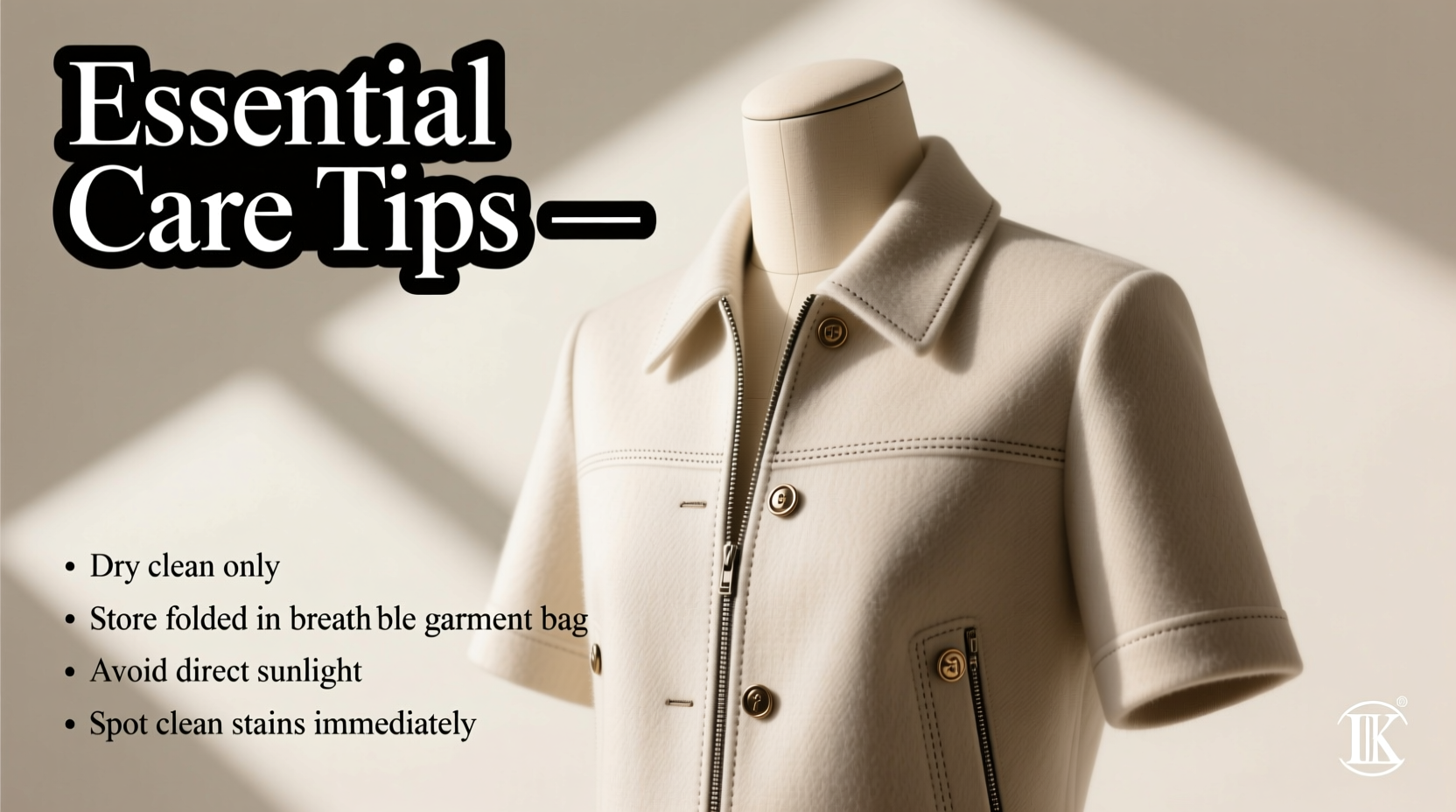
The foundation of effective care begins with knowing what your jacket is made of. High-end brands often use specialized fabrics—each with unique sensitivities. For example:
- Linen: Breathable and elegant but prone to wrinkling and shrinkage if washed incorrectly.
- Cotton Twill: Durable and soft, yet susceptible to fading under UV exposure.
- Wool Blends: Excellent drape and temperature regulation, but vulnerable to moths and water spots.
- Technical Fabrics (e.g., Tencel, Nylon-Elastane): Wrinkle-resistant and stretchy, but sensitive to high heat and harsh detergents.
Always check the care label inside the garment. If unavailable, consult the brand’s website or customer service for precise laundering instructions. Treating all jackets the same way risks compromising their integrity.
“Luxury garments are engineered with precision. Their performance and longevity depend not just on materials, but on how they’re maintained.” — Daniel Reeves, Textile Conservation Specialist, London Fashion Archive
Washing: When and How to Clean Properly
Overwashing accelerates wear. A short sleeve jacket doesn’t need laundering after every wear unless visibly soiled or exposed to sweat, smoke, or strong odors. Spot-cleaning minor stains immediately prevents set-in discoloration.
When machine washing is appropriate (typically for cotton or synthetic blends), follow this protocol:
- Turn the jacket inside out to protect the outer surface and stitching.
- Use a gentle, pH-neutral detergent without bleach or optical brighteners.
- Select cold water and the delicate cycle with minimal spin.
- Never overload the machine—allow space for gentle movement.
- Remove promptly to avoid deep creasing.
For structured jackets, wool, or those with padding, dry cleaning remains the safest option—but only when necessary. Frequent dry cleaning degrades fabric fibers over time. Limit it to 1–2 times per season unless required.
Hand-Washing Alternative for Delicate Materials
Linen and silk-blend jackets benefit from hand-washing:
- Fill a basin with lukewarm water and a small amount of mild detergent.
- Submerge the jacket and gently agitate for 3–5 minutes.
- Rinse thoroughly with cool water until suds disappear.
- Press out water without wringing; lay flat on a clean towel, roll to absorb moisture.
- Reshape and dry flat away from heat sources.
Drying and Ironing: Avoiding Common Pitfalls
Heat is the enemy of structure. Never tumble dry a high-end jacket unless explicitly approved by the manufacturer. Excessive heat causes shrinkage, warping of interlinings, and seam stress.
Instead:
- Reshape while damp—smooth lapels, align buttons, and straighten pockets.
- Hang on a padded hanger in a shaded, ventilated area.
- Allow 12–24 hours for full air drying.
Ironing requires caution. Use low to medium heat and always iron inside out. For wool or linen, place a pressing cloth between the iron and fabric. Steam can help relax wrinkles, but avoid saturating the material. Never apply direct steam to leather trims or bonded panels.
| Fabric Type | Drying Method | Iron Setting | Avoid |
|---|---|---|---|
| Linen | Lay flat or hang dry | Medium-high with steam | Tumble drying, direct sun |
| Cotton | Hanging (on padded hanger) | Medium | High heat, over-drying |
| Wool Blend | Lay flat, reshape | Low, with pressing cloth | Wringing, hot iron |
| Synthetic (Nylon/Elastane) | Hang dry | Low or no iron | High heat, bleach |
Storage Strategies for Long-Term Preservation
How you store your jacket during off-seasons directly impacts its condition. Folding heavy or structured pieces can cause permanent creases and stress seams. Always use a sturdy, contoured padded hanger that supports the shoulders properly.
In humid climates, include silica gel packs in your closet to reduce moisture. Avoid cedar chips if your jacket has natural fibers like wool—while they repel moths, prolonged exposure can dry out textiles.
Rotate stored items quarterly to prevent long-term compression. And never stack items on top of your jacket—weight distorts shoulder pads and collar shape.
Real Example: The Cost of Improper Storage
James, a consultant based in Miami, stored his favorite navy linen jacket folded in a cedar chest for eight months. When he retrieved it for summer, he found yellowed creases along the shoulders and a musty odor. Despite professional cleaning, the fabric retained a dull, uneven appearance. A tailor confirmed the interlining had degraded due to pressure and trapped humidity. A simple switch to hanging in a breathable cover could have preserved its elegance.
Maintenance Checklist: Monthly Care Routine
To stay ahead of wear and maintain peak condition, follow this monthly checklist:
- ✅ Inspect for loose threads, button tightness, and lining integrity.
- ✅ Brush exterior with a soft clothes brush to remove dust and debris.
- ✅ Check underarms and collar for sweat stains; spot-treat if needed.
- ✅ Air out in fresh air (not direct sun) for 2–3 hours.
- ✅ Confirm hanger alignment and adjust if shoulders are dimpling.
- ✅ Rotate into wear schedule to prevent long-term static storage.
Frequently Asked Questions
Can I wear my high-end jacket in the rain?
Most short sleeve jackets are not waterproof. Light drizzle may be tolerable, but prolonged exposure can stain, warp linings, or weaken fibers. If wet, blot with a dry towel, unbutton fully, and hang to air dry at room temperature—never near a heater.
How do I remove oil stains from a cotton jacket?
Act quickly. Sprinkle cornstarch or talcum powder on the stain to absorb oil. Let sit for 15–30 minutes, then brush off. Apply a drop of dish soap to the area, gently work in with fingers, rinse with cold water, and launder as usual. Test on an inside seam first.
Should I repair minor damage immediately?
Yes. A single loose button or small tear can escalate into larger structural issues. Address snags, popped stitches, or frayed edges promptly with a trusted tailor. Delaying repairs often leads to higher costs later.
Conclusion: Treat It Like the Investment It Is
A high-end short sleeve jacket reflects taste, attention to detail, and intentional living. Its value isn’t just in the price tag, but in how long it serves you with confidence and style. By understanding fabric needs, adopting smart washing habits, storing with care, and performing regular maintenance, you ensure it remains a wardrobe cornerstone for seasons to come.




 浙公网安备
33010002000092号
浙公网安备
33010002000092号 浙B2-20120091-4
Comments
No comments yet. Why don't you start the discussion?