
Autumn coats are more than just seasonal necessities—they’re expressions of personal style, often representing a significant investment in craftsmanship, fabric, and design. Whether you own a vintage wool trench, a modern technical parka, or a hand-finished shearling, preserving the integrity of your coat ensures it remains both functional and fashionable year after year. Yet, many people overlook the nuanced care required by specialty outerwear, leading to premature wear, fading, or structural damage. Understanding how to properly maintain your autumn coat isn’t just about cleanliness—it’s about respecting the materials, construction, and intention behind each piece.
Understand Your Coat’s Material and Construction
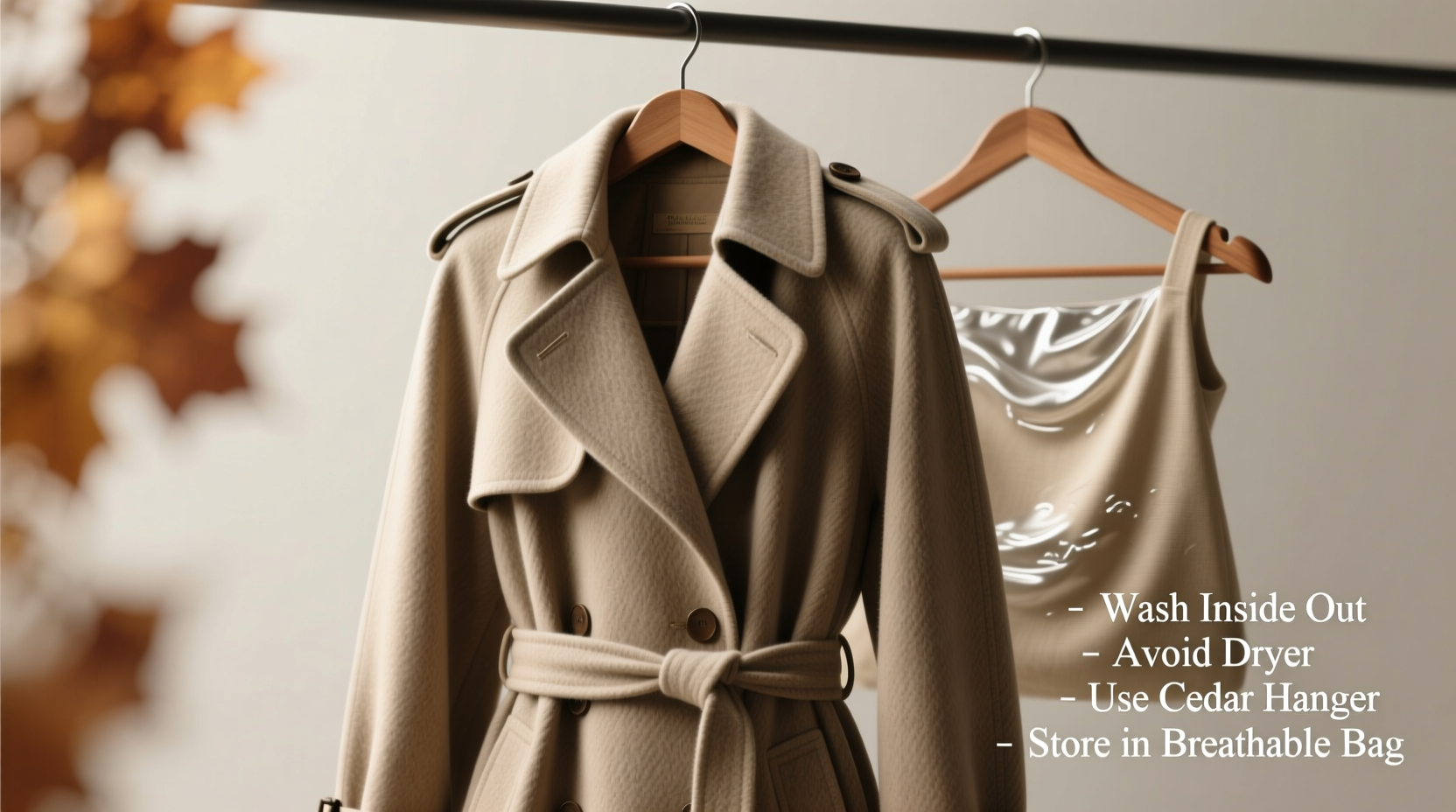
The first step in effective coat care is knowing what you're working with. Niche autumn coats often feature premium or unconventional materials such as boiled wool, cashmere blends, waxed cotton, recycled technical fabrics, or ethically sourced leather. Each has unique care requirements that must be honored to avoid irreversible damage.
Check the garment label for cleaning instructions, but don’t rely on it entirely—many high-end or artisanal brands use proprietary treatments not fully captured in standard symbols. Research the brand’s official care guide online or contact customer service if uncertain. For example, a wool-cashmere blend may require dry cleaning only, while a waxed cotton jacket benefits from reproofing rather than washing.
“Luxury outerwear demands respect for its material story. A coat made from 100-year-old weaving techniques shouldn’t be treated like fast fashion.” — Lena Moreau, Sustainable Fashion Curator
Seasonal Care Routine: A Step-by-Step Guide
Maintaining your coat throughout the season prevents buildup of dirt, moisture, and odors that degrade fibers over time. Follow this timeline to keep your coat in peak condition from early September to late November.
- Pre-season inspection (early September): Remove from storage, check for moths, mildew, or creases. Air out for 24 hours in a shaded, ventilated area.
- Mid-season refresh (October): Brush off surface debris with a soft-bristle clothes brush. Spot clean stains using a damp microfiber cloth and pH-neutral detergent.
- Post-wear routine (after each use): Shake gently to remove dust, hang on a wide wooden hanger, and allow to air overnight before storing.
- Deep maintenance (late November): Depending on material, either take to a specialist cleaner or perform at-home conditioning (e.g., re-waxing cotton, moisturizing leather).
- End-of-season storage (December): Clean thoroughly, condition if needed, and store properly (see next section).
Do’s and Don’ts by Material Type
| Material | Do’s | Don’ts |
|---|---|---|
| Wool & Blends | Brush regularly, air out, dry clean sparingly | Machine wash, expose to direct heat |
| Waxed Cotton | Reproof annually, wipe with damp cloth | Dry clean, machine wash, iron |
| Leather/Faux Leather | Condition 2x/year, store in breathable cloth | Soak in water, use alcohol-based cleaners |
| Technical Fabrics (e.g., Gore-Tex) | Wash with tech-gear detergent, re-waterproof | Use fabric softener, high-heat drying |
| Cashmere/Alpaca | Steam lightly, fold when storing | Hang long-term, scrub stains aggressively |
Proper Storage: Protecting Your Investment Off-Season
How you store your autumn coat during spring and summer can make or break its lifespan. Poor storage leads to yellowing, insect damage, and loss of shape.
Always clean your coat before storing—even invisible sweat or pollution residue attracts moths and degrades fibers. Once clean, choose a cool, dark, and dry space with stable humidity. Avoid attics and basements, which are prone to temperature swings and mold.
Use breathable cotton garment bags instead of plastic, which traps moisture and encourages mildew. For structured coats, use broad-shouldered wooden hangers to preserve silhouette. Knit or delicate fiber coats (like cashmere blends) should be folded and stored flat with acid-free tissue paper between layers to prevent pilling and stress.
Real Example: Preserving a Heirloom Trench Coat
James inherited a 1970s British-made gabardine trench coat from his father. Though structurally sound, it had faded shoulders and a stiff collar from years of improper storage in a plastic cover. Determined to restore it, he consulted a heritage clothing restorer who advised a three-step process: gentle steam cleaning to relax the fibers, professional color refreshing to revive the original khaki hue, and reproofing the fabric to restore water resistance.
After restoration, James adopted a strict care calendar: monthly brushing, biannual airing, and end-of-season reproofing. Five years later, the coat remains a centerpiece of his autumn wardrobe—functional, stylish, and rich with sentimental value. His experience underscores that even decades-old garments can thrive with informed care.
Essential Maintenance Checklist
- ✅ Inspect coat for stains, loose buttons, or wear before first use
- ✅ Use a soft clothes brush weekly to remove surface dust
- ✅ Address spills immediately with a damp microfiber cloth
- ✅ Condition leather or waxed areas every 6–12 months
- ✅ Store on a proper hanger in a breathable garment bag
- ✅ Rotate between multiple coats to reduce strain on one piece
- ✅ Schedule professional cleaning only when necessary—over-cleaning damages fibers
- ✅ Reapply waterproofing treatments to performance fabrics annually
Frequently Asked Questions
Can I wash my wool-blend coat at home?
Hand-washing is possible only if the label permits and you use cold water with a wool-specific detergent. Never wring or hang wet—lay flat on a towel to dry, reshaping gently. However, for blended or structured coats, professional dry cleaning remains the safest option.
How do I remove musty smells from stored coats?
Airing is the first step. Hang the coat outside in indirect sunlight for a few hours. For persistent odors, place it in a sealed closet with bowls of baking soda or activated charcoal for 48 hours. Avoid sprays or perfumes, which can stain or irritate skin upon wearing.
Is it worth repairing a damaged vintage coat?
If the coat has sentimental or craftsmanship value, yes. Seek tailors or restorers specializing in vintage outerwear. Buttons, linings, and hems can often be replaced or reinforced. Structural repairs on high-quality materials typically cost less than replacing the piece with something comparable.
Final Thoughts: Care as an Act of Style
Maintaining a niche autumn coat goes beyond preservation—it’s a practice of intentionality. In an age of disposable fashion, choosing to care for a well-made coat reflects a deeper relationship with clothing: one rooted in respect, sustainability, and personal identity. Each brushed sleeve, conditioned panel, and carefully stored fold contributes to a legacy of style that transcends trends.
Start today. Pull your favorite coat from the closet. Inspect it. Clean it. Honor it. Because true style isn’t just worn—it’s maintained, cherished, and passed forward.




 浙公网安备
33010002000092号
浙公网安备
33010002000092号 浙B2-20120091-4
Comments
No comments yet. Why don't you start the discussion?