
Printed jackets are more than just outerwear—they’re statements of style, identity, and creativity. Whether it’s a bold graphic tee turned into a statement piece or a custom-designed windbreaker, the print is what sets it apart. But over time, exposure to light, friction, and improper cleaning can dull colors, crack designs, and strip vibrancy. Preserving that fresh-off-the-rack look requires intentional care. With the right habits, your favorite printed jacket can remain vivid and wearable for years.
Understanding Print Types and Their Vulnerabilities
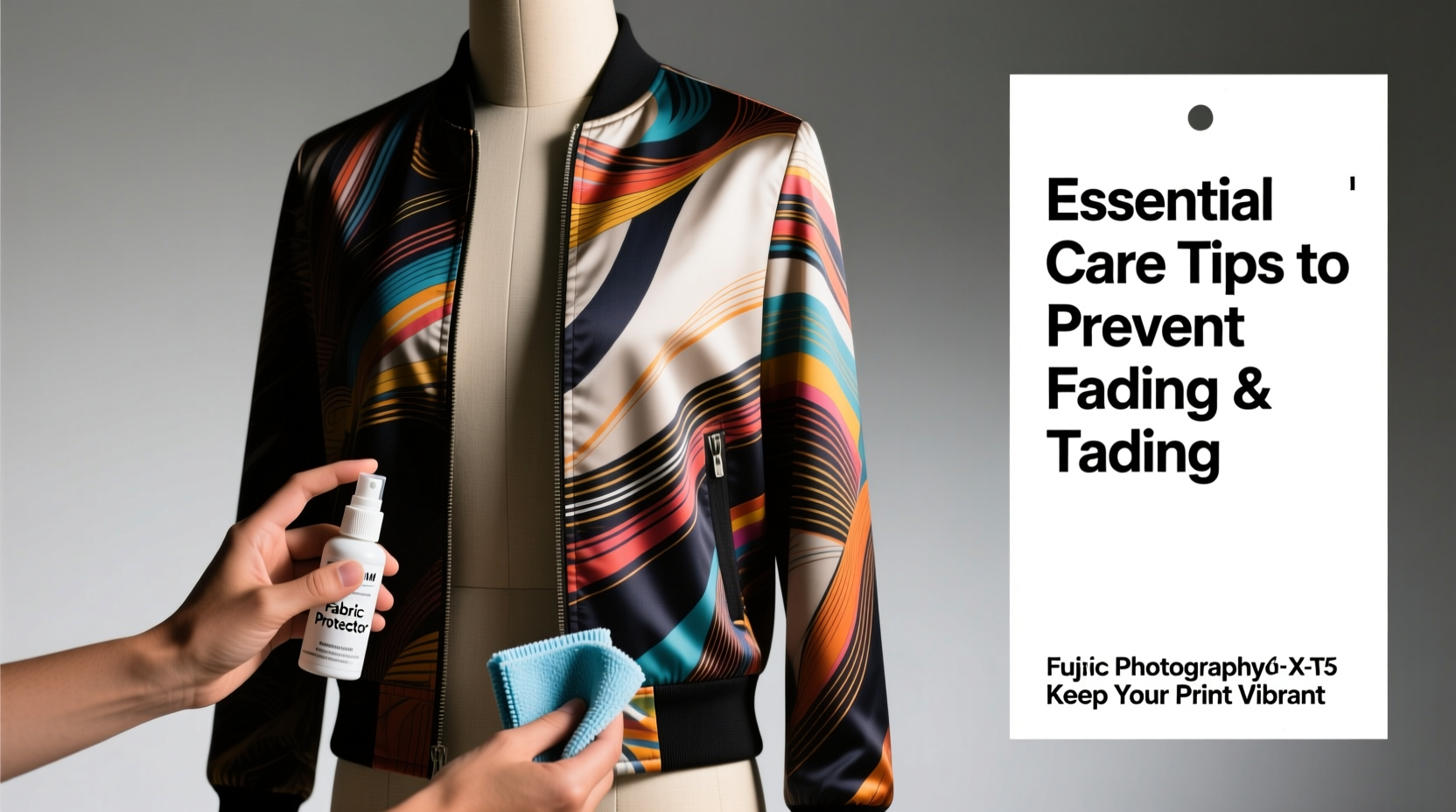
Not all prints are created equal. The longevity and resilience of a printed jacket depend heavily on the printing technique used. Common methods include screen printing, sublimation, heat transfer, and direct-to-garment (DTG). Each has unique strengths and weaknesses when it comes to fading resistance.
Screen printing uses thick layers of ink, making it durable against washing but prone to cracking if folded repeatedly. Sublimation embeds dye directly into synthetic fibers, offering excellent wash-fastness but vulnerability to UV degradation. Heat transfers can peel over time, especially if low-quality adhesives are used. DTG, while detailed, may fade faster without proper aftercare.
“Knowing how your jacket was printed is half the battle in preserving it. A garment treated like cotton might suffer if it actually relies on polyester-based sublimation.” — Marcus Lin, Textile Preservation Specialist
Washing Techniques That Protect Color and Design
The way you wash your printed jacket significantly impacts its lifespan. Aggressive cycles, high temperatures, and harsh detergents accelerate fading and damage adhesive bonds in printed layers.
Always turn the jacket inside out before washing. This simple step reduces direct abrasion on the print surface and shields graphics from friction with other garments. Use cold water—ideally below 30°C (86°F)—to prevent ink breakdown and fabric distortion. Choose a mild, color-safe detergent free from bleach or optical brighteners, which chemically alter dyes.
Hand washing is ideal for delicate or vintage printed pieces. Fill a basin with cold water and a small amount of gentle detergent. Gently swirl the jacket without wringing or scrubbing the print. If using a machine, select the “delicate” or “hand wash” cycle and place the jacket in a mesh laundry bag for added protection.
Drying and Ironing: Avoiding Heat Damage
Heat is one of the biggest enemies of printed fabrics. Tumble drying subjects prints to high temperatures and constant tumbling, leading to fading, shrinking, and peeling. Instead, air-dry your jacket by laying it flat on a clean towel or hanging it in a shaded area with good airflow.
If you must use a dryer, opt for the lowest heat setting—and only if the care label permits. Remove the jacket while still slightly damp to minimize stress on fibers.
Ironing over a printed design can melt ink or create shiny patches. If ironing is necessary, turn the jacket inside out and use a low-heat setting. Place a thin cotton cloth between the iron and fabric to diffuse heat. Better yet, use steam from a garment steamer held at a safe distance to remove wrinkles without contact.
Storage Solutions to Prevent Premature Fading
Even when not in use, your jacket continues to age. Improper storage exposes it to environmental threats like sunlight, moisture, and pressure marks.
Store your printed jacket in a cool, dark closet away from windows. Ultraviolet (UV) rays break down dyes rapidly, even through glass. Avoid plastic bags, which trap moisture and encourage mildew; instead, use breathable cotton garment bags or fold the jacket neatly on a shelf.
If folding, pad the folds with acid-free tissue paper to prevent crease damage to prints. For structured jackets, padded hangers help maintain shape without stretching shoulders.
| Storage Factor | Best Practice | Avoid |
|---|---|---|
| Light Exposure | Dark closet or covered storage | Direct sunlight or near windows |
| Humidity | Climate-controlled space with silica gel packs | Basements or attics with fluctuating temps |
| Material Contact | Cotton garment bag or linen cover | Plastic covers or vinyl enclosures |
Step-by-Step Guide: Monthly Jacket Maintenance Routine
Maintaining a printed jacket doesn’t require daily effort—but consistency matters. Follow this monthly routine to catch issues early and extend wearability.
- Inspect the Print: Check for cracks, peeling, or fading. Early detection allows for adjustments in care before irreversible damage occurs.
- Spot Clean Stains: Use a microfiber cloth dampened with cold water and a drop of mild soap. Dab gently—never rub—on affected areas.
- Air Out the Jacket: Hang it outside shade for 1–2 hours to eliminate odors and moisture buildup, especially after wearing in humid conditions.
- Reassess Storage: Ensure the jacket isn’t compressed under heavier items and that the environment remains dry and dark.
- Rotate Wear: Avoid wearing the same printed jacket multiple days in a row. Rotation reduces cumulative stress from sweat, friction, and UV exposure.
Real-World Example: How One Collector Preserved a Limited-Edition Jacket
Jamal R., a streetwear collector in Portland, owns a rare limited-edition sublimation-printed jacket from a 2019 collaboration. After noticing slight dulling around the collar after six months of regular wear, he adjusted his routine. He stopped machine washing it altogether, switched to hand washing with Woolite Color, and began storing it in a UV-blocking garment bag when not in rotation.
He also started tracking sun exposure, avoiding prolonged outdoor wear during peak daylight. Two years later, his jacket looks nearly identical to its original condition—proof that small, consistent changes yield long-term results.
Frequently Asked Questions
Can I wash my printed jacket with other clothes?
You can, but with caution. Wash it separately or with similar colors and soft fabrics (like cotton tees) to avoid abrasion. Never wash with jeans, zippers, or rough textiles that can scratch the print surface.
Why does my jacket fade even when I don’t wear it much?
Fading can occur due to ambient light exposure, especially if stored near a window. Even indoor lighting, particularly fluorescent or LED with high blue spectrum, contributes to gradual color degradation over time.
Is there a way to refresh a faded print?
Once a print fades, it cannot be fully restored. However, some specialty textile restoration services offer re-dyeing or re-printing for high-value garments. Prevention remains the most effective strategy.
Expert-Backed Checklist for Long-Term Print Preservation
- ✅ Always wash inside out in cold water
- ✅ Use mild, bleach-free detergent
- ✅ Air-dry flat or on a hanger—no tumble drying
- ✅ Store away from direct sunlight and humidity
- ✅ Avoid ironing directly on the print
- ✅ Rotate wear to reduce cumulative stress
- ✅ Inspect monthly for signs of wear or fading
- ✅ Hand wash valuable or delicate printed pieces
Final Thoughts: Make Care a Habit, Not a Chore
A vibrant printed jacket reflects more than fashion sense—it represents personal expression. Protecting that expression means treating the garment with intention. From the moment you unbox it to its last season in your wardrobe, every choice matters: how you wash it, where you hang it, when you wear it.
These practices aren’t about perfection. They’re about respect—for craftsmanship, for creativity, and for the value you place on your style. Start applying these tips today, and your jacket won’t just survive the seasons. It will continue to stand out in them.




 浙公网安备
33010002000092号
浙公网安备
33010002000092号 浙B2-20120091-4
Comments
No comments yet. Why don't you start the discussion?