
Pillow covers with intricate embroidery, hand-painted motifs, or fine woven designs are more than just functional—they’re expressions of personal style and craftsmanship. However, their beauty is often fragile. Delicate patterns can fade, fray, or distort under improper care, turning a cherished accent into a worn-out afterthought. The good news? With the right techniques, you can preserve both the aesthetic and structural integrity of these textiles for years. This guide delivers actionable, expert-backed strategies to maintain your decorative pillow covers in pristine condition.
Understand Your Fabric and Dye Type
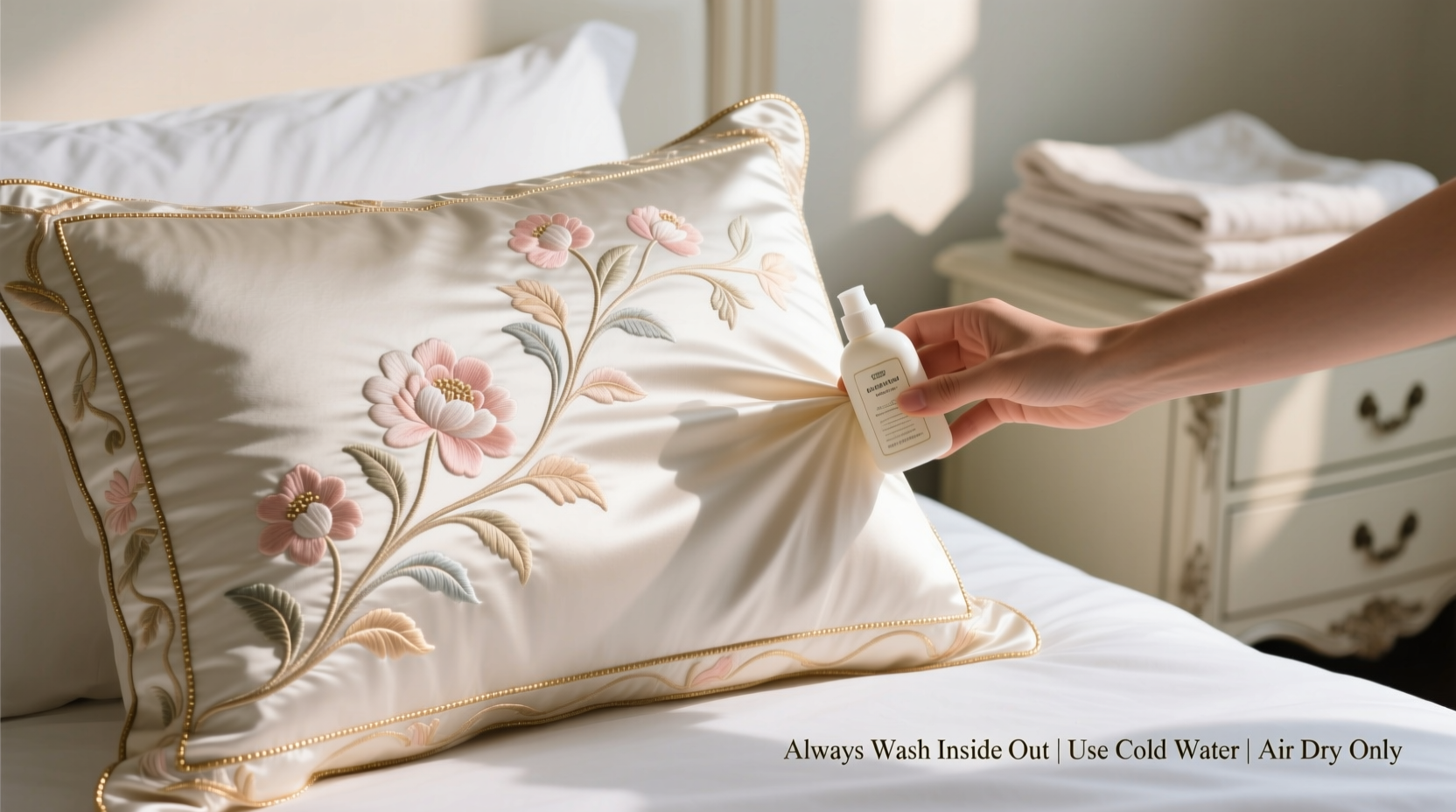
The first step in preserving delicate patterns is identifying what you're working with. Natural fibers like silk, cotton voile, and linen react differently to water, heat, and detergents than synthetics such as polyester or rayon. Similarly, natural dyes—common in artisanal or handmade covers—are more sensitive to light and washing than chemical dyes.
Fabric composition affects how colors bleed, how fibers shrink, and how easily threads unravel. Always check the care label. If none exists, examine the stitching: loose, irregular seams often indicate handwork, which requires gentler handling. For vintage or imported pieces, assume they are dry-clean only unless proven otherwise.
Washing Guidelines for Patterned Pillow Covers
Many people assume all pillow covers can be tossed in the wash. But machine agitation and harsh detergents can distort embroidery, blur prints, and weaken delicate weaves. Handwashing is almost always the safest method for patterned textiles.
- Fill a basin with cool water and add a small amount of pH-neutral detergent formulated for delicates.
- Submerge the cover gently, avoiding wringing or twisting. Swirl it lightly for no more than two minutes.
- Rinse thoroughly with cool water until suds disappear.
- Press out excess water using a clean towel—never wring.
- Air-dry flat away from direct sunlight to prevent fading.
If you must machine-wash, use a mesh laundry bag, cold water, and the “delicate” cycle. Avoid bleach and fabric softeners, both of which degrade dyes and fibers over time.
Do’s and Don’ts: Handling and Storage
How you store and handle your pillow covers between uses plays a crucial role in longevity. Even when not in active use, exposure to dust, moisture, and UV rays can dull colors and weaken fabrics.
| Do | Don’t |
|---|---|
| Store in breathable cotton bags or pillowcases | Use plastic bins that trap moisture |
| Keep in a cool, dark closet away from windows | Leave them exposed to direct sunlight |
| Rotate usage seasonally to reduce wear | Stack heavy items on top of stored covers |
| Place silica gel packets in storage to absorb humidity | Fold embroidered areas sharply—roll instead |
Protecting Embellishments and Printed Designs
Beading, sequins, lace trims, and screen-printed artwork require special attention. Friction from regular use can loosen beads; folding can crack printed layers. To minimize damage:
- Turn pillow covers inside out before washing to shield surface details.
- Avoid placing embellished sides against rough upholstery or pet claws.
- Use a pressing cloth when ironing—never apply heat directly to prints or beads.
- For stubborn stains near embroidery, spot-clean with a cotton swab dipped in diluted vinegar (1:3 with water).
“Delicate textile artistry deserves museum-level care. A single aggressive wash can undo months of handwork.” — Lila Nguyen, Textile Conservator at the National Home Arts Archive
Step-by-Step Guide: Deep Cleaning Without Damage
Even with careful use, pillow covers accumulate oils and dust. Follow this six-step process every 4–6 months for deep maintenance:
- Vacuum gently using a handheld vacuum with a brush attachment on low suction. Hover over the surface to lift debris without snagging threads.
- Treat stains immediately. Blot spills with a clean cloth; never rub. Use a mild solution of distilled water and a drop of castile soap.
- Handwash as described earlier, focusing on high-contact areas like corners and zippers.
- Rinse twice to ensure no soap residue remains, which can attract more dirt.
- Dry flat on a clean towel, reshaping the cover to its original dimensions. Flip halfway through drying.
- Inspect for loose threads once dry. Secure frays with a few hand stitches using matching thread.
Real-Life Example: Preserving Heirloom Pillow Covers
Sophie Martinez inherited a set of embroidered pillow covers from her grandmother, each featuring floral motifs stitched in silk thread. After displaying them on her living room sofa for several months, she noticed the red threads were fading and one corner had begun to fray.
She consulted a local textile restorer, who advised rotating the pillows monthly to distribute sun exposure evenly, storing them in muslin wraps when not in use, and handwashing only with a wool-safe detergent. Sophie now keeps them out of direct light and uses them seasonally. Two years later, the covers remain vibrant and intact—proof that preventive care makes a lasting difference.
Checklist: Monthly Pillow Cover Maintenance
To stay ahead of wear, perform this quick routine once a month:
- ✔ Vacuum both sides with a soft brush attachment
- ✔ Check for loose threads or weakened seams
- ✔ Rotate placement if used on furniture
- ✔ Inspect for stains and spot-treat if needed
- ✔ Confirm storage area is dry and pest-free
- ✔ Air out for 30 minutes in shaded indoor space
Frequently Asked Questions
Can I steam delicate pillow covers?
Yes, but with caution. Use a garment steamer on low heat, holding it 6–8 inches from the fabric. Never press a hot iron directly onto printed or embroidered areas, as this can melt adhesives or flatten textures.
How do I remove musty smells without washing?
Place the cover in a sealed container with an open box of baking soda for 24–48 hours. Alternatively, hang it outdoors in the shade on a breezy day. Avoid direct sun, which accelerates fading.
Are dry cleaners safe for patterned fabrics?
Only if they specialize in delicate textiles. Standard dry cleaning uses strong solvents that may strip natural dyes. Ask if they offer “wet cleaning,” a gentler alternative that uses computer-controlled water and detergents.
Final Thoughts: Care as an Act of Appreciation
Pillow covers with delicate patterns are investments in comfort and beauty. They reflect time, skill, and intention—whether mass-produced with precision or handcrafted across generations. Treating them with care isn’t just about preservation; it’s a form of respect for the artistry behind them.
By integrating gentle cleaning habits, mindful storage, and proactive inspections into your routine, you extend not just the life of the fabric, but the joy it brings to your space. These covers don’t have to look tired after a season. With consistent attention, they can remain vibrant, fresh, and worthy of display for many years to come.




 浙公网安备
33010002000092号
浙公网安备
33010002000092号 浙B2-20120091-4
Comments
No comments yet. Why don't you start the discussion?