
Losing a dog is one of the most distressing experiences a pet owner can face. Even the most well-trained dogs can slip out an open gate or escape during a loud event. While collars and tags are helpful, they can fall off or be removed. That’s where microchipping becomes a critical lifeline. Unlike physical ID tags, a microchip provides permanent identification that dramatically increases the odds of reuniting with your dog—if used correctly.
However, having a microchip implanted is only the first step. Many owners assume that once their dog is chipped, it will automatically be found and returned if lost. This is a common misconception. The microchip itself does not track your dog's location like GPS. Instead, it acts as a digital ID tag that must be scanned by a shelter, vet clinic, or animal control officer. What truly determines recovery success is ensuring your registration is up to date and acting quickly when your dog goes missing.
How Microchips Work: The Basics
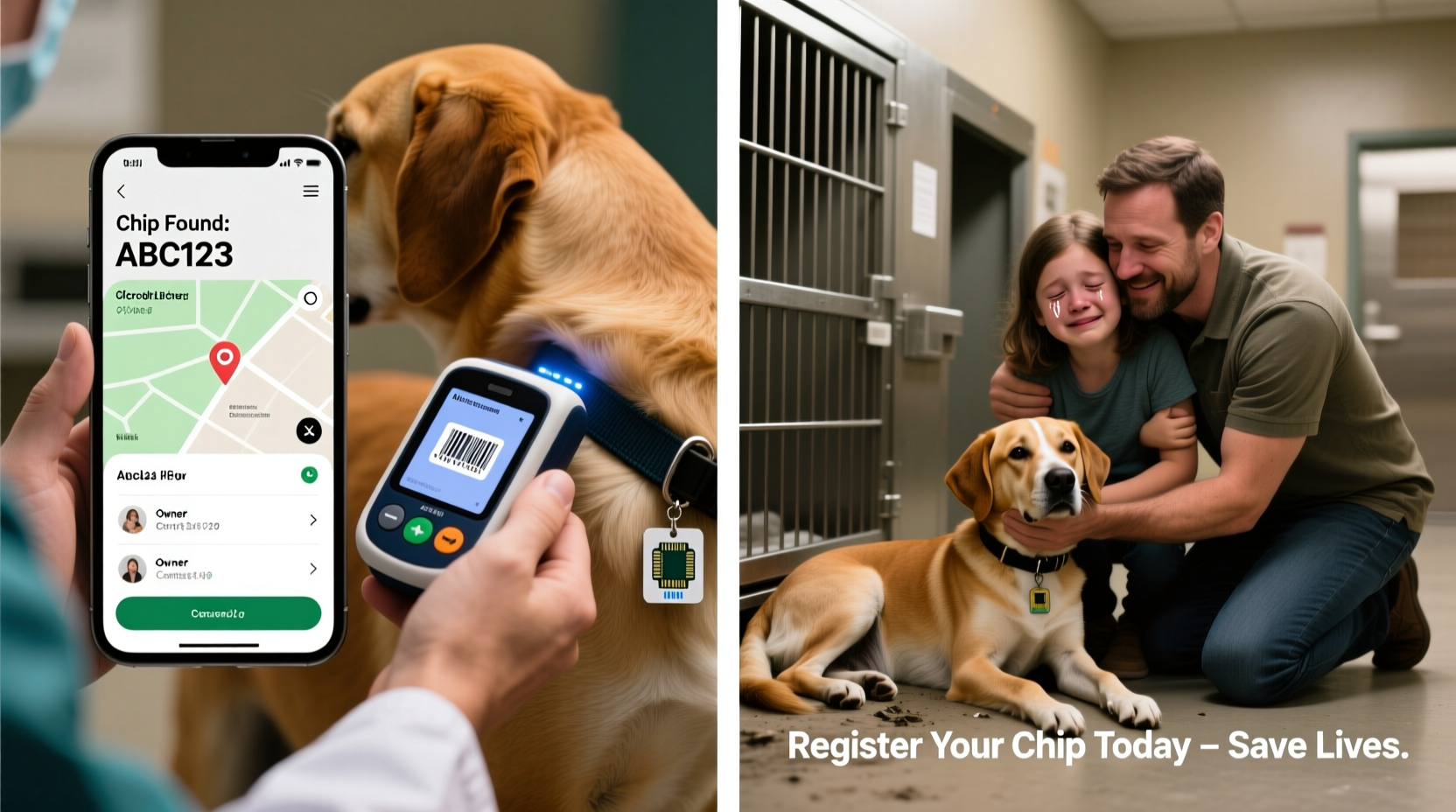
A microchip is a tiny electronic device—about the size of a grain of rice—implanted under your dog’s skin, typically between the shoulder blades. It contains a unique 15-digit code linked to a pet recovery database. When scanned with a universal microchip reader, the code appears on screen, allowing staff to contact the registry and retrieve the owner’s information.
It’s important to understand that microchips are passive RFID (radio-frequency identification) devices. They do not have batteries or GPS capabilities. They don’t transmit signals or allow real-time tracking. Their sole function is to store identification data that becomes accessible only when scanned.
The implantation process is quick and minimally invasive, similar to a vaccination. Most dogs show little reaction, and no anesthesia is required. The chip is designed to last over 20 years—essentially your dog’s lifetime.
Step-by-Step Guide to Locating Your Dog Using a Microchip
If your dog goes missing, time is critical. Follow this structured timeline to leverage the microchip effectively:
- Confirm the microchip is registered: Locate your microchip number and check its status in the manufacturer’s database (e.g., HomeAgain, AKC Reunite, Found Animals). Ensure your contact details are current.
- Contact local shelters and clinics immediately: Call every animal shelter, rescue organization, and veterinary office within a 20-mile radius. Provide a photo and description, and request that they scan any incoming dogs.
- File a lost pet report: Register your dog as missing with each major microchip registry you’re enrolled in. Some services send alerts to nearby vets and shelters. <4> Visit shelters in person daily: Not all facilities have staff available to scan every animal upon intake. Seeing your dog in person ensures identification even if someone missed scanning.
- Distribute flyers with a clear photo: Include “Microchipped – Please Scan” on flyers. This reminds finders to take the dog to a facility with a scanner.
- Follow up after a potential match: If a shelter reports a possible match, confirm the microchip number matches yours before assuming it’s your dog.
Maximizing Recovery Success: Key Strategies
Having a microchip significantly improves recovery odds—but only if paired with proactive measures. Consider these essential strategies:
- Keep registration updated: Change your phone number, address, or email? Update your microchip profile immediately. Outdated information renders the chip useless.
- Use multiple ID methods: Pair the microchip with a collar and tag. The tag allows instant contact, while the chip serves as backup.
- Choose a universal registry: Some chips are tied to proprietary databases. Opt for registries that work across brands and offer 24/7 support.
- Know which chip your dog has: Different manufacturers use different frequencies. Most U.S. shelters use universal scanners, but it’s wise to confirm compatibility.
| Do’s | Don’ts |
|---|---|
| Register the chip immediately after implantation | Assume the vet automatically registered it |
| Update contact info after moving or changing phones | Wait weeks to update your details |
| Carry a copy of the microchip certificate | Forget to verify the chip number matches the registry |
| Check chip status annually during vet visits | Rely solely on the chip without a collar |
“Over 90% of microchipped dogs are returned to their owners—but only when the registration is active and contact details are correct.” — Dr. Laura Greenspan, DVM, American Veterinary Medical Association
Real Example: How One Family Reunited with Their Dog
In rural Ohio, the Thompson family’s 3-year-old border collie, Daisy, escaped during a thunderstorm. She had no collar, but she was microchipped through AKC Reunite. Within hours, a neighbor reported seeing her near a creek. The family distributed flyers and contacted six local shelters.
Two days later, a small animal clinic found Daisy wandering near a highway. She was calm and healthy, and the staff scanned her immediately. The chip revealed the owner’s current phone number—updated just three months prior after a move. The clinic called, and the family reunited with Daisy the same day.
“We almost didn’t update our number,” said Mark Thompson. “But we did during her annual checkup. That five-minute update brought our dog back home.”
Critical Checklist for Microchip Readiness
Ensure your dog’s microchip can actually help recover them by completing this checklist:
- ☑ Microchip implanted by a licensed professional
- ☑ Chip number recorded in your pet records
- ☑ Registered in a national recovery database
- ☑ Contact information (phone, email, address) current
- ☑ Secondary emergency contact listed
- ☑ Annual verification at vet appointments
- ☑ Collar with ID tag worn daily
- ☑ Digital photo of your dog easily accessible on your phone
Frequently Asked Questions
Can I track my dog’s location with a microchip?
No. Microchips are not GPS devices. They provide permanent ID but do not offer real-time tracking. For location monitoring, consider a separate GPS collar or smart tag.
What happens if my dog is found but the chip isn’t scanned?
This is a real risk. Not all individuals who find a dog know to take it to a shelter or vet. That’s why visible ID tags and community outreach—like social media posts and flyers—are crucial complements to microchipping.
Do microchips expire or need replacement?
The chip itself lasts over 20 years and does not require maintenance. However, registration may require renewal with some providers. Use free registries like Found Animals to avoid lapses due to expired subscriptions.
Conclusion: Turn Technology Into Peace of Mind
A microchip is more than a medical procedure—it’s a commitment to your dog’s safety. But its power lies not in the implant alone, but in the actions you take afterward. Registration, updates, and awareness transform a simple device into a reliable path home.
Thousands of dogs return to their families every year because someone took a moment to scan a chip—and because an owner kept their information up to date. Don’t wait until your dog is missing to act. Verify your registration today. Share this knowledge with fellow pet owners. And ensure that if the worst happens, your dog’s silent identifier speaks clearly and leads them straight back to you.




 浙公网安备
33010002000092号
浙公网安备
33010002000092号 浙B2-20120091-4
Comments
No comments yet. Why don't you start the discussion?