
A clean home isn’t just about appearances—it’s about health, comfort, and peace of mind. Yet, many people struggle with ineffective cleaning because they’re using the wrong tools or outdated methods. The right equipment makes all the difference: it reduces effort, improves results, and can even save time. From microfiber cloths to high-efficiency vacuums, the modern market offers a wide range of tools designed to tackle specific surfaces and messes. Understanding which ones are worth investing in—and how to use them properly—can transform your cleaning routine from a chore into an efficient process.
Why the Right Tools Matter
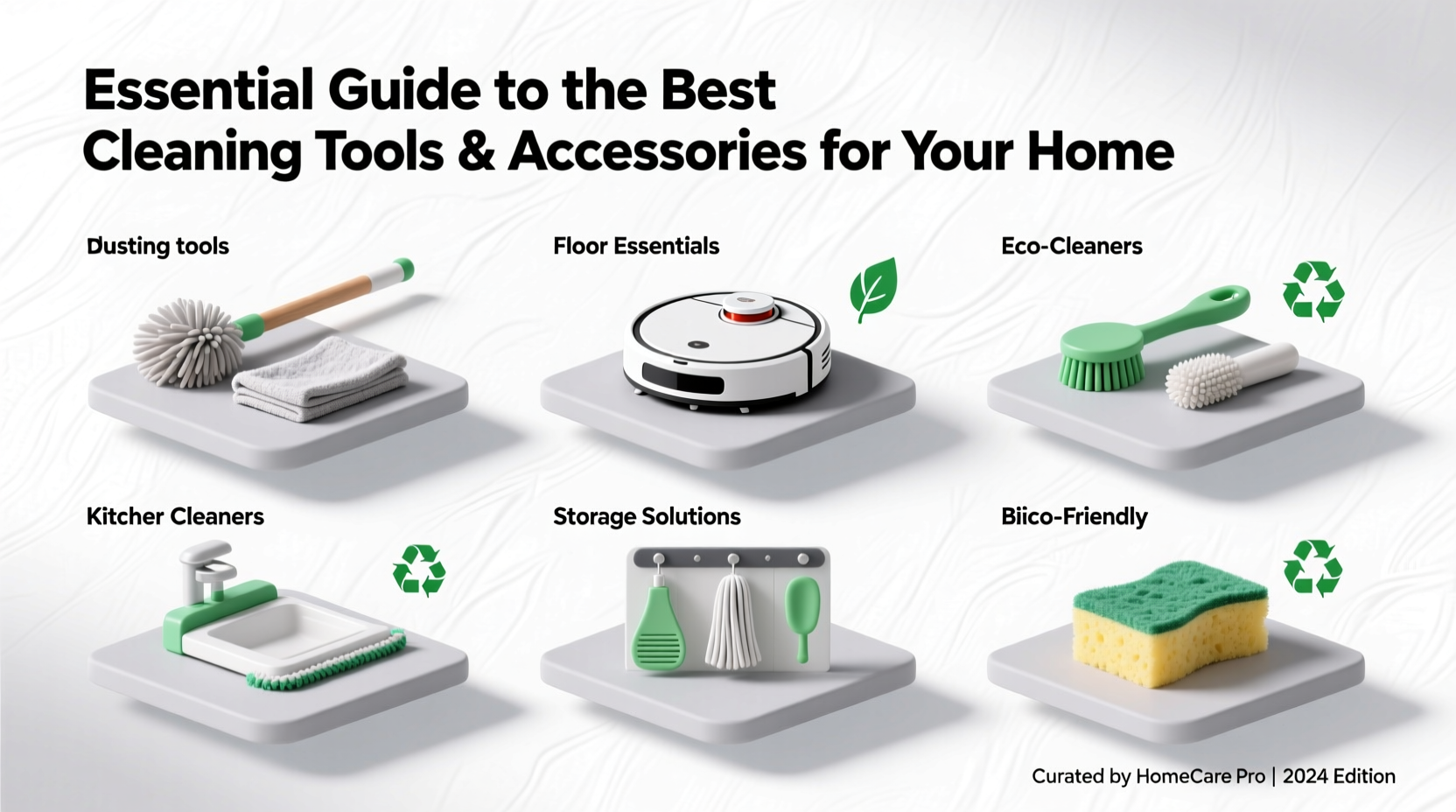
Cleaning without the proper tools is like cooking without knives—possible, but inefficient and often frustrating. Using a single all-purpose cloth on every surface may spread bacteria rather than remove it. A vacuum with weak suction leaves allergens embedded in carpets. And traditional mops often push dirt around instead of lifting it. The right tools not only improve cleanliness but also protect your home’s finishes, reduce physical strain, and promote long-term hygiene.
According to Dr. Lena Patel, an environmental health specialist at the National Institute of Home Wellness:
“Studies show that homes cleaned with targeted, hygienic tools have up to 60% lower levels of airborne allergens and surface bacteria. It’s not just about scrubbing harder—it’s about working smarter.” — Dr. Lena Patel, Environmental Health Specialist
Top Essential Cleaning Tools for Every Household
Every home benefits from a core set of reliable cleaning tools. These foundational items cover most daily and weekly tasks effectively:
- Microfiber cloths: Superior to paper towels or cotton rags, microfiber traps dust and bacteria without scratching surfaces.
- High-performance vacuum cleaner: Look for HEPA filtration, adjustable settings, and strong suction for both carpets and hard floors.
- Flat mop with washable pads: Ideal for tile, hardwood, and laminate; reusable pads reduce waste and cost over time.
- Spray bottles with fine mist nozzles: Allow precise application of cleaners without over-saturating surfaces.
- Toilet brush with angled head: Reaches under the rim where grime accumulates most.
- Squeegee: Perfect for glass shower doors and mirrors to prevent water spots and soap scum buildup.
- Scrub brushes with replaceable heads: Use different stiffness levels for grout, sinks, and stovetops.
Specialized Accessories for Tough Cleaning Challenges
Beyond the basics, specialized accessories address stubborn problems that standard tools can’t handle efficiently:
- Dusting poles with extendable arms: Reach ceiling fans, light fixtures, and top shelves without a ladder.
- Grout brushes (electric or manual): Deep-clean tile lines in bathrooms and kitchens.
- Lint rollers for upholstery: Quickly remove pet hair and debris from furniture and car seats.
- Crevice tools for vacuums: Clean between cushions, along baseboards, and in tight corners.
- Steam cleaners: Chemical-free sanitization for kitchens, bathrooms, and sealed floors.
For homes with pets or allergies, consider adding a handheld vacuum with a HEPA filter and motorized pet tool. These devices extract deeply embedded dander and fur from fabrics far more effectively than standard models.
Comparison: Basic vs. Premium Cleaning Tools
| Tool | Basic Version | Premium Version | Key Advantage of Premium |
|---|---|---|---|
| Microfiber Cloth | Generic, non-labeled blend | High-density, split-fiber weave | Traps 9x more dust and bacteria |
| Vacuum Cleaner | Bagless, basic suction | HEPA filter, motorized brush roll | Removes 99.97% of particles down to 0.3 microns |
| Mop System | String mop with bucket | Spin mop with dual-chamber bucket | Separates dirty rinse water from clean solution |
| Scrub Brush | Plastic bristles, fixed handle | Ergonomic grip, interchangeable heads | Reduces wrist strain and increases reach |
| Cleaning Spray Bottle | Standard nozzle, plastic body | Fine mist, anti-clog nozzle, BPA-free | Even coverage, less overspray, longer lifespan |
Step-by-Step: Building Your Home Cleaning Kit
Follow this timeline to assemble a comprehensive, effective cleaning system tailored to your household’s needs:
- Week 1: Assess your home’s surfaces. Identify flooring types, high-touch areas, and problem zones (e.g., bathroom mildew, kitchen grease).
- Week 2: Replace outdated tools. Discard old sponges, frayed mops, and worn-out cloths that harbor bacteria.
- Week 3: Invest in core tools. Purchase a quality vacuum, flat mop, microfiber cloths, and a good spray bottle.
- Week 4: Add specialized accessories. Choose based on your needs—grout brush for tiled bathrooms, lint roller for pet owners, etc.
- Ongoing: Maintain and rotate supplies. Wash reusable pads weekly, replace brush heads every 3–6 months, and store tools properly.
Real-World Example: How One Family Reduced Cleaning Time by 40%
The Thompson family, living in a three-bedroom suburban home with two kids and a dog, used to spend nearly four hours every weekend deep-cleaning. They relied on old-school tools: a string mop, paper towels, and a vacuum that frequently clogged. After switching to a cordless stick vacuum with HEPA filtration, a reusable flat mop system, and color-coded microfiber cloths, they restructured their routine.
Instead of one marathon session, they adopted a 15-minute daily wipe-down strategy focusing on high-traffic areas. Within a month, dust accumulation decreased, odors diminished, and overall cleaning time dropped to under two and a half hours per week. The investment in better tools paid for itself within six months through reduced supply costs and improved efficiency.
Cleaning Tool Checklist: What to Keep in Your Supply Cabinet
Use this checklist to ensure you're fully equipped for regular and deep cleaning tasks:
- ✅ Set of 6–8 microfiber cloths (color-coded if possible)
- ✅ Vacuum cleaner with HEPA filter and attachments
- ✅ Flat mop with washable, absorbent pads
- ✅ Spray bottles (at least two: one for disinfectant, one for glass cleaner)
- ✅ Toilet brush with holder
- ✅ Squeegee for showers and mirrors
- ✅ Scrub brushes with stiff and soft bristles
- ✅ Extendable duster with washable head
- ✅ Grout cleaning tool or small electric brush
- ✅ Lint roller for furniture and clothing
- ✅ Bucket with wringer (for mopping systems)
- ✅ Rubber gloves (preferably reusable, lined)
FAQs About Home Cleaning Tools
How often should I replace my cleaning tools?
Microfiber cloths last 300+ washes if cared for properly but should be replaced when they start shedding or no longer pick up dust. Vacuum filters need replacing every 6–12 months. Mop pads should be swapped every 2–3 months, or sooner if frayed. Brushes with visible wear or odor should be discarded immediately.
Are steam cleaners worth the investment?
Yes, especially for households concerned about chemicals or dealing with mold-prone areas. Steam cleaners sanitize surfaces using only heat, killing 99.9% of bacteria and dust mites. They work well on grout, sealed floors, and bathroom fixtures. However, avoid using them on unsealed wood or delicate electronics.
Can I use the same cloth for multiple rooms?
It’s not recommended. Using one cloth throughout the house spreads germs from high-risk areas (like bathrooms) to low-risk ones (like bedrooms). Color-coding or labeling cloths by room significantly improves hygiene and prevents cross-contamination.
Final Thoughts: Elevate Your Cleaning Routine
Effective home cleaning doesn’t require magic—it requires the right tools and smart habits. By investing in high-quality, purpose-built accessories, you make cleaning faster, safer, and more thorough. Whether you're tackling everyday spills or seasonal deep cleans, having the correct equipment empowers you to maintain a healthier, more pleasant living environment. Don’t underestimate the impact of something as simple as a better mop or a well-designed brush. Small upgrades lead to big improvements over time.




 浙公网安备
33010002000092号
浙公网安备
33010002000092号 浙B2-20120091-4
Comments
No comments yet. Why don't you start the discussion?