
Hiring the right person isn’t just about finding someone with the right skills—it’s about building a process that is consistent, equitable, and predictive of long-term success. In today’s diverse and competitive job market, organizations that prioritize fairness and effectiveness in their interviews gain a significant advantage. They attract stronger candidates, reduce turnover, and foster inclusive cultures. Yet many companies still rely on outdated, subjective interview methods that introduce bias and fail to predict performance accurately.
A well-structured interview process balances human insight with standardized evaluation. It ensures every candidate is assessed objectively, regardless of background, while also providing meaningful insights into their capabilities, values, and potential fit. This guide outlines the essential practices that define modern, ethical, and results-driven interviewing.
Design Structured Interviews for Consistency
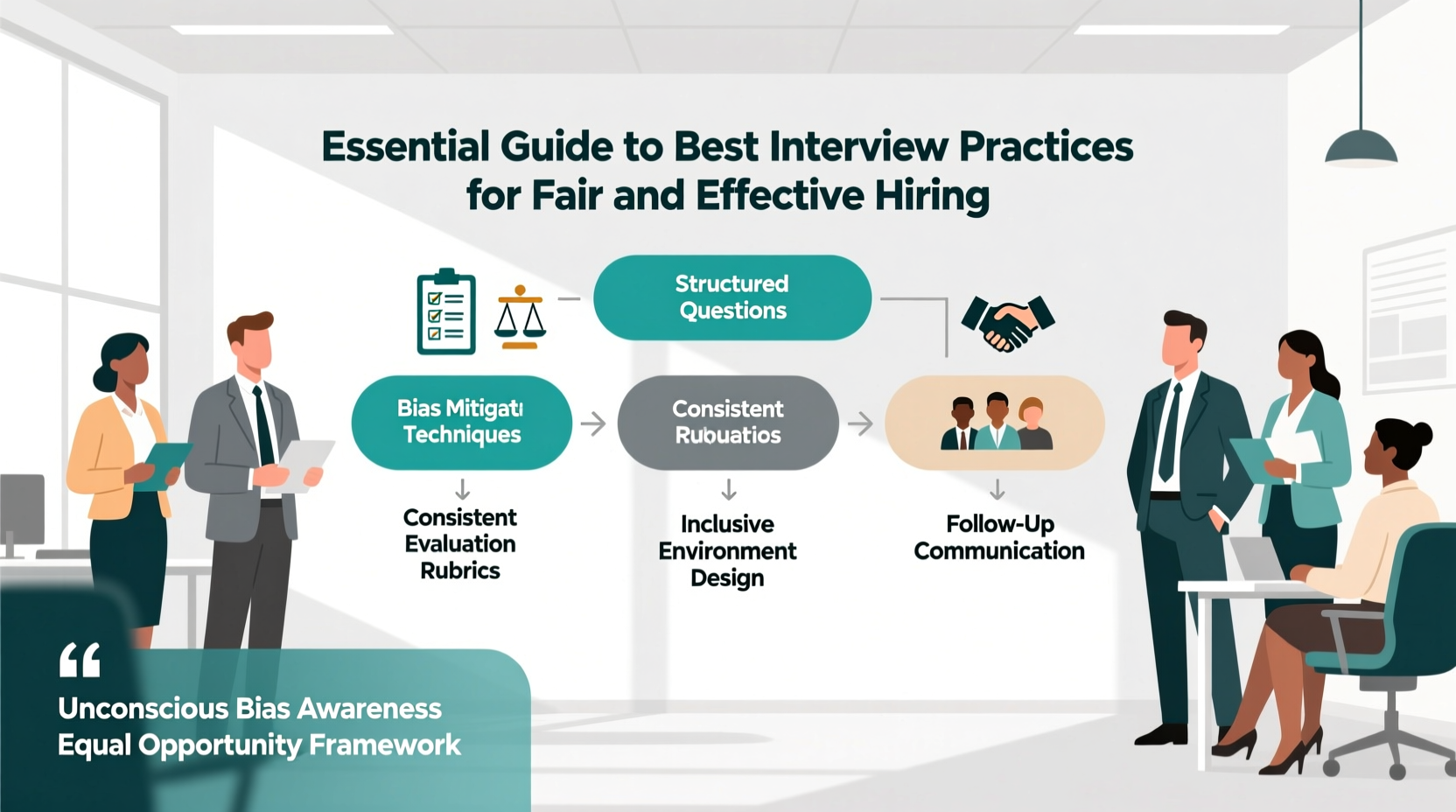
Unstructured interviews—where questions vary from candidate to candidate—are among the weakest predictors of job performance. Research from meta-analyses shows structured interviews can double the validity of hiring decisions compared to free-form conversations.
In a structured interview, all candidates are asked the same core set of job-related questions in the same order. Responses are evaluated using a predefined scoring rubric. This approach minimizes the influence of unconscious bias and ensures comparability across applicants.
For example, if problem-solving is critical for the role, ask: “Tell me about a time you identified a major obstacle in a project and how you resolved it.” Every candidate answers this question, and responses are scored based on clarity, impact, and demonstrated reasoning.
Train Interviewers to Reduce Bias
Even well-intentioned interviewers can fall prey to cognitive biases such as halo effect, confirmation bias, or affinity bias—favoring candidates who resemble themselves. Without awareness and training, these distortions undermine fairness and decision quality.
Effective interviewer training includes:
- Recognizing common types of bias
- Understanding the importance of evidence-based evaluation
- Practicing active listening without interruption
- Using rubrics consistently and avoiding gut feelings
“Organizations that invest in interviewer training see up to 30% improvement in hiring accuracy and diversity outcomes.” — Dr. Lena Patel, Organizational Psychologist at TalentEdge Research
Training should be mandatory for anyone involved in hiring—not just HR professionals but also team leads and department managers. Reinforce learning with quarterly refreshers and calibration sessions where panels review sample responses together.
Implement a Standardized Evaluation Framework
To ensure objectivity, replace vague notes like “seemed confident” with measurable criteria. A scoring matrix helps align teams around what excellence looks like for each competency.
| Competency | Rating (1–5) | Evaluation Criteria |
|---|---|---|
| Communication | 5 = Clear, concise, tailored to audience | Used examples, avoided jargon, responded directly |
| Problem-Solving | 5 = Identified root cause, proposed viable solution | Demonstrated analytical thinking, considered trade-offs |
| Collaboration | 5 = Shared credit, handled conflict constructively | Gave specific team examples, showed empathy |
After each interview, raters assign scores independently before discussing as a panel. This prevents groupthink and encourages individual accountability.
Optimize the Candidate Experience
Fairness extends beyond evaluation—it includes how candidates are treated throughout the process. A negative experience doesn’t just cost goodwill; it damages employer branding and deters top talent.
Key elements of a respectful candidate journey include:
- Sending timely confirmations and reminders
- Providing clear information about the role, team, and interview format
- Respecting scheduled times and minimizing delays
- Offering feedback upon request, even to unsuccessful applicants
One tech company redesigned its interview flow after exit survey data revealed 40% of candidates felt “left in the dark” post-interview. By introducing automated status updates and offering optional debrief calls, they increased offer acceptance rates by 18% within six months.
Mini Case Study: Reducing Turnover Through Better Interviews
A mid-sized logistics firm struggled with high first-year turnover among warehouse supervisors. An internal audit found that most hires were selected based on rapport during casual interviews, not leadership ability. After implementing structured behavioral interviews focused on conflict resolution, safety enforcement, and team motivation, first-year retention rose from 57% to 82%. Managers reported new hires were more prepared and aligned with operational expectations.
Follow a Step-by-Step Interview Protocol
Consistency improves both fairness and efficiency. Use this timeline to standardize your hiring process:
- Pre-Interview (1 week prior): Finalize job description, identify required competencies, select interview panel, and develop question bank.
- Interview Kit Preparation: Distribute candidate resumes, interview questions, scoring rubrics, and diversity guidelines to all panelists.
- Day of Interview: Begin with a warm welcome, explain the agenda, maintain neutral body language, and follow the script.
- Immediate Post-Interview: Complete individual evaluations within 24 hours while impressions are fresh.
- Debrief Meeting: Hold a structured discussion focusing on evidence, not opinions. Document rationale for decisions.
- Feedback & Closure: Notify candidates promptly. Offer constructive feedback to those who request it.
Common Pitfalls and How to Avoid Them
Even experienced hiring managers make mistakes. The following table highlights frequent errors and their solutions:
| Pitfall | Why It’s Problematic | Best Practice |
|---|---|---|
| Asking hypotheticals only (“How would you handle…?”) | Predicts less than past behavior | Use behavioral questions (“Tell me about a time…”) |
| Overvaluing charisma | Leads to hiring likable underperformers | Score based on demonstrated skills, not charm |
| Conducting back-to-back interviews without breaks | Cognitive fatigue reduces judgment quality | Schedule 10-minute gaps between sessions |
| Allowing last-minute interviewer substitutions | Breaks consistency and preparation | Require substitutes to review materials in advance |
FAQ
How many interview rounds are ideal?
Most roles benefit from two to three rounds: an initial screening, a technical or functional assessment, and a final cultural/fit interview. More than four rounds often lead to candidate drop-off without improving decision accuracy.
Should we include personality tests in the interview process?
Only if scientifically validated and job-relevant. Many popular tools lack reliability and may introduce legal risk. If used, interpret results cautiously and never as a standalone hiring criterion.
What if a candidate performs poorly due to nerves?
Nerves are common, but structured formats help level the playing field. Consider offering candidates a brief prep window before answering complex questions. For mission-critical roles, a work sample or take-home assignment can provide additional insight beyond live performance.
Conclusion
Fair and effective hiring doesn’t happen by chance—it’s built through intention, structure, and continuous improvement. By adopting standardized interviews, reducing bias, and treating every candidate with respect, organizations don’t just make better hires; they build trust, equity, and long-term performance into their talent pipeline.




 浙公网安备
33010002000092号
浙公网安备
33010002000092号 浙B2-20120091-4
Comments
No comments yet. Why don't you start the discussion?