
Silk scarves are more than just accessories—they’re timeless expressions of elegance, often passed down through generations or worn on special occasions. But their delicate nature demands thoughtful care. Improper handling can lead to yellowing, snags, fraying, or permanent creases that diminish both beauty and value. With the right techniques, a silk scarf can remain vibrant and soft for decades. This guide walks you through every step of maintaining and storing your silk scarves with precision and care.
Understanding Silk: Why It Needs Special Attention
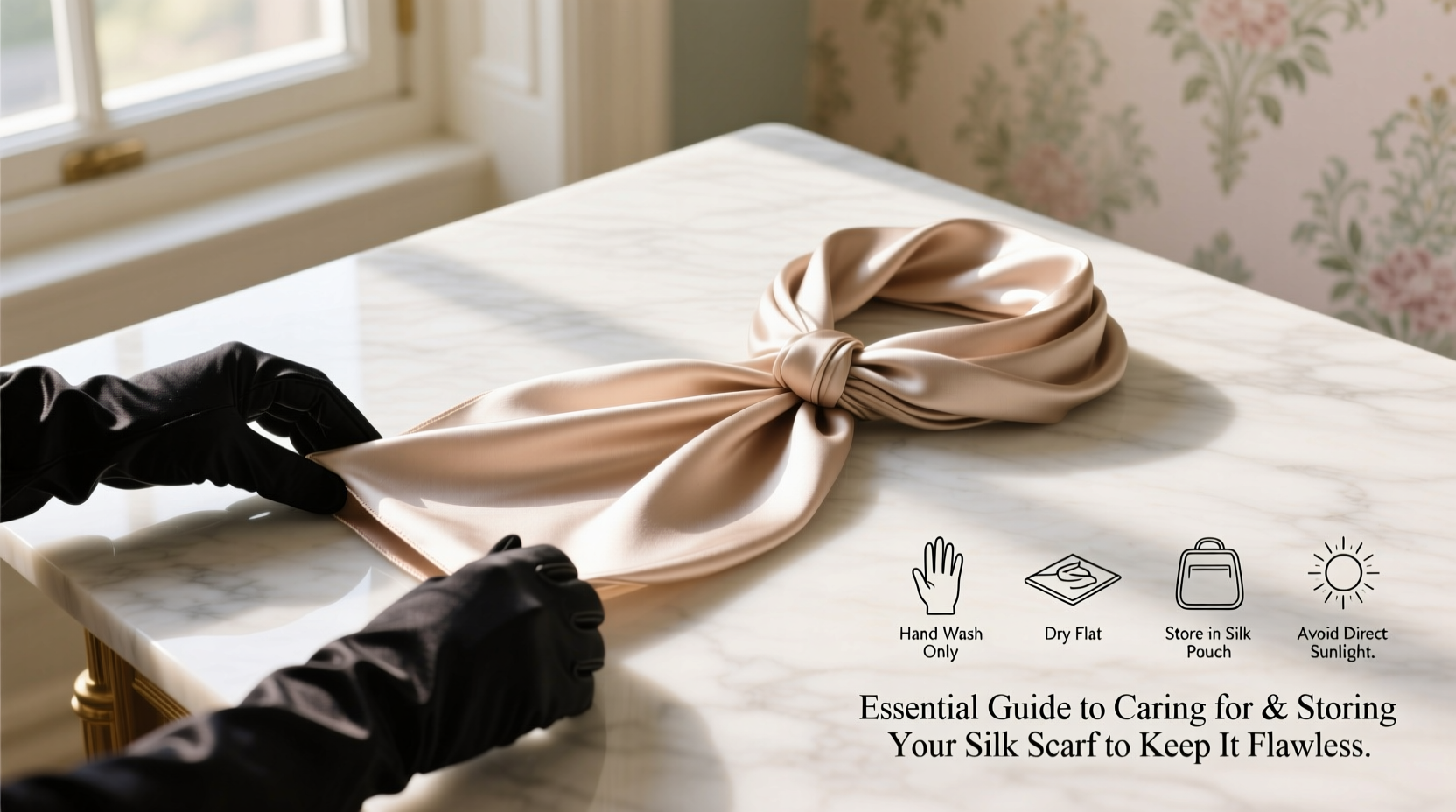
Silk is a natural protein fiber produced by silkworms, prized for its luster, strength, and breathability. However, its organic composition makes it sensitive to heat, moisture, light, and chemicals. Unlike synthetic fabrics, silk reacts to environmental stressors by weakening fibers, fading dyes, or developing stains that resist removal. Exposure to perfumes, perspiration, or even prolonged sunlight can degrade silk over time.
The key to preserving silk lies in understanding its vulnerabilities. It absorbs moisture easily, which means body oils and sweat can seep into the fabric after just one wear. Additionally, silk’s smooth surface shows water spots and mineral deposits if rinsed improperly. These factors make routine care essential—not optional.
“Silk isn’t high-maintenance; it’s responsive. Treat it with respect, and it will reward you with decades of grace.” — Dr. Lila Moreau, Textile Conservation Specialist, Musée de la Soie
How to Clean Your Silk Scarf Safely
Cleaning silk requires a gentle touch and the right products. Most silk scarves should never be tossed into a washing machine or exposed to hot water. Hand-washing is the gold standard for home care, while professional dry cleaning may be necessary for vintage pieces or heavily soiled items.
Step-by-Step Guide: Hand-Washing Silk
- Check the label: Confirm whether the scarf is washable. Some printed or hand-painted silks require dry cleaning only.
- Prepare a mild solution: Use cold water and a pH-neutral detergent formulated for delicates (e.g., Woolite Delicates or The Laundress Silk Shampoo).
- Soak briefly: Submerge the scarf for no more than 3–5 minutes. Gently agitate with fingertips—never rub or wring.
- Rinse thoroughly: Use clean, cold water until suds disappear. Add a splash of white vinegar (1 tablespoon per liter) during the final rinse to restore pH balance and shine.
- Remove excess water: Lay the scarf flat on a clean towel, roll it up gently, and press to absorb moisture. Do not twist.
- Dry flat: Unroll and lay the scarf on a fresh, dry towel away from direct sunlight or heat sources. Reshape to original dimensions.
Storing Silk Scarves Without Damage
Improper storage is the leading cause of long-term silk degradation. Folding, rolling, or hanging incorrectly can create permanent creases, weaken fibers, or invite pests. The ideal storage method depends on frequency of use, fabric weight, and design complexity.
Do’s and Don’ts of Silk Storage
| Do | Don't |
|---|---|
| Store in breathable cotton bags or acid-free tissue paper | Use plastic bags—trapped moisture promotes mildew |
| Fold loosely along natural lines or roll around cardboard tubes | Fold tightly or use metal clips that can corrode |
| Keep in a cool, dark closet with stable humidity (40–50%) | Store near windows, radiators, or attics with temperature swings |
| Rotate scarves seasonally to prevent set creases | Leave perfumes, cosmetics, or mothballs in contact with silk |
For collectors, consider using archival boxes with dividers. Wrap each scarf in acid-free tissue to prevent color transfer and reduce friction between layers. Avoid cedar chests unless lined with cotton fabric—cedar oil can discolor silk over time.
Maintaining Daily Wear: Real-Life Care Habits
Consider the case of Clara, a Paris-based stylist who owns over 60 vintage silk scarves, some dating back to the 1950s. She wears a different piece nearly every day but has maintained their condition flawlessly. Her secret? A strict post-wear ritual.
After each use, Clara lays her scarf flat on a clean surface and inspects it for smudges or perfume residue. If she’s been outdoors or wearing makeup, she lightly spot-cleans affected areas with a damp cloth and silk-safe detergent. Then, she refolds each scarf using alternating fold directions weekly to avoid deep creasing. Stored in a linen-lined drawer divided by tissue paper, her collection remains pristine.
Her approach underscores a vital principle: regular micro-care prevents major damage. Even brief exposure to pollutants or oils can compound over time. A 60-second wipe-down after wearing can extend a scarf’s life significantly.
Handling Stains and Accidents: What to Do Immediately
Accidents happen—perfume spills, makeup transfers, or coffee splashes. The first few minutes are critical. Act fast, but never scrub.
- Blot, don’t wipe: Use a clean, absorbent cloth to gently lift liquids without spreading.
- Neutralize fragrance stains: Dab with a mix of 1 part distilled water and 1 part milk—it helps break down alcohol-based residues.
- Oil-based marks: Sprinkle cornstarch or talc, wait 15 minutes, then brush off gently.
- Never use bleach or stain removers: These degrade silk proteins and may dissolve dyes.
If a stain persists, consult a professional cleaner experienced with delicate textiles. Attempting aggressive treatments at home risks irreversible damage.
Frequently Asked Questions
Can I iron my silk scarf?
Yes, but only on the lowest heat setting with a pressing cloth between the iron and fabric. Always iron while slightly damp or use a steamer held at least 15 cm away. Never apply direct heat to dry silk.
How often should I clean my silk scarf?
After every 3–5 wears, depending on climate and activity. If worn near the face or in humid conditions, clean more frequently. For occasional wearers, annual cleaning and inspection are sufficient.
Why is my white silk turning yellow?
Yellowing is usually caused by oxidation from exposure to light, heat, or body oils. Acidic substances like perfume accelerate this. Store white silks separately in dark, ventilated spaces and avoid contact with skincare products.
Essential Silk Scarf Care Checklist
Your Monthly Silk Maintenance Routine:
- Inspect each scarf for stains, snags, or fraying edges.
- Refold or reroll to prevent permanent crease formation.
- Ensure storage area is dry, dark, and free of dust.
- Spot-clean any visible marks using silk-safe methods.
- Rotate scarves in use to distribute wear evenly.
- Verify that no moths or silverfish are present (look for tiny holes or droppings).
Conclusion: Honor the Fabric, Preserve the Beauty
A silk scarf carries more than aesthetic value—it holds memories, personal style, and craftsmanship. Treating it with care isn’t about perfectionism; it’s about respect for the material and the moments it accompanies. From how you fold it to where you store it, every small decision impacts its longevity. By integrating these practices into your routine, you ensure that your scarves remain as radiant tomorrow as they were on the day you first wore them.




 浙公网安备
33010002000092号
浙公网安备
33010002000092号 浙B2-20120091-4
Comments
No comments yet. Why don't you start the discussion?