
A designer suit jacket is more than a garment—it’s an investment in personal style, confidence, and professional presence. Whether tailored from Italian wool, Japanese linen, or British flannel, these pieces demand respect beyond dry-cleaning tags. With proper care, a high-quality suit jacket can last decades, maintaining its drape, structure, and elegance. Yet too many owners unknowingly shorten their jacket’s life through improper handling, storage, or over-cleaning. This guide delivers actionable strategies used by tailors, stylists, and wardrobe managers to preserve the integrity and appearance of fine suiting.
Understanding Your Suit Jacket’s Anatomy
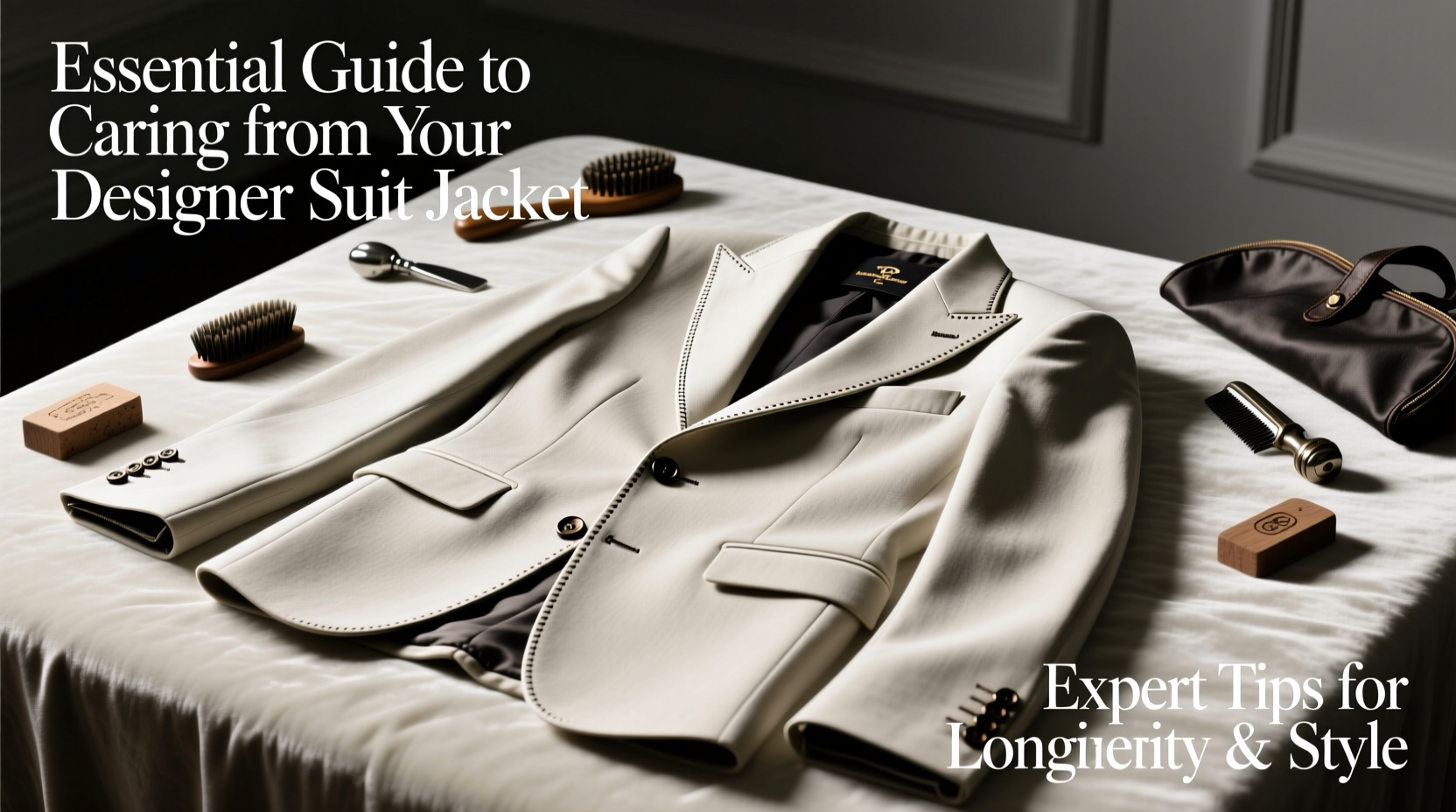
Before diving into care routines, it's crucial to understand what makes a designer suit jacket different from off-the-rack alternatives. The construction determines how you should treat it. Most premium jackets feature:
- Fully or half-canvassed fronts – Layers of canvas between the outer fabric and lining provide shape and allow the jacket to mold to your body over time.
- Natural shoulder construction – Soft, unpadded shoulders drape elegantly but are sensitive to pressure and misshaping.
- Delicate linings – Silk, cupro, or Bemberg linings offer breathability but can tear if pulled or stuffed incorrectly.
- Hand-stitched details – Functional buttonholes, pick stitching, and hand-sewn lapels signal craftsmanship—and require gentle treatment.
Unlike synthetic blends or fused garments (which use glue to bond layers), a well-made jacket responds to humidity, temperature, and wear. It breathes, stretches slightly, and recovers—when treated right.
“Treat a suit jacket like a living thing. It moves with you, ages with grace, and shows neglect faster than any other menswear item.” — Luca Moretti, Master Tailor, Milan
Daily Wear and Immediate Aftercare
The first step in preservation begins the moment you take the jacket off. How you handle it daily has a cumulative impact on longevity.
Rotate, Don’t Repeat
Never wear the same jacket two days in a row. Wool fibers need at least 24–48 hours to recover from compression. Wearing it back-to-back leads to permanent creasing, especially around the shoulders and elbows.
Always Unbutton Before Sitting
This isn’t just etiquette—it’s structural protection. Buttoning while seated strains the front panels, distorts the lapel roll, and stresses seams. Over time, this causes puckering and misalignment.
Brush After Every Wear
Use a soft clothes brush (preferably horsehair) to remove dust, lint, and moisture. Brush gently from top to bottom along the nap of the fabric. This prevents soiling buildup and keeps the finish crisp.
Proper Storage: The Foundation of Longevity
How you store your jacket when not in use is as important as how you wear it.
Use the Right Hanger
Wire or thin plastic hangers deform shoulders. Invest in wide, contoured wooden hangers that mimic natural shoulder shape. Cedar hangers add mild moth resistance and absorb moisture.
Never Store in Dry-Cleaning Plastic
The thin poly bags trap moisture, encourage mildew, and restrict airflow. Instead, use breathable cotton garment bags—or no cover at all in a dry, ventilated closet.
| Storage Method | Recommended? | Why |
|---|---|---|
| Wooden hanger + cotton garment bag | ✅ Yes | Preserves shape, allows breathability |
| Plastic dry-cleaning bag | ❌ No | Traps humidity, promotes yellowing |
| Folded in drawer | ❌ No | Causes permanent creases, crushes canvas |
| On bed or chair overnight | ❌ Avoid | Distorts shoulders, collects odors |
Environment Matters
Store jackets in a cool, dry place away from direct sunlight. UV rays fade dark fabrics and weaken fibers. Humidity invites moths and mildew. Ideal conditions: 60–70°F (15–21°C) and under 50% humidity.
Professional Cleaning: When and How Often
Dry cleaning is often misunderstood. While necessary periodically, overuse damages fabric and strips natural oils from wool.
Frequency Guidelines
- Wool jackets: Clean every 4–6 wears, depending on climate and perspiration.
- Linen or summer suits: Clean after 2–3 wears due to sweat absorption.
- Winter tweeds or overcoats: Once per season unless visibly soiled.
Spot clean minor stains with a damp cloth immediately. For oil-based stains (grease, food), blot—don’t rub—and bring to a specialist.
Steam vs. Iron: Gentle Recovery
Never iron a suit jacket directly. Use a tailor’s ham and pressing cloth if needed. Better yet, use a handheld steamer held 6 inches from the fabric to release wrinkles. Steam relaxes fibers without crushing the chest piece.
Step-by-Step Guide: Seasonal Suit Jacket Maintenance
Follow this checklist twice a year—spring and fall—to prepare your jacket for seasonal shifts and extend its life.
- Inspect for damage: Check buttons, buttonholes, inner seams, and lining for tears or loose threads.
- Brush thoroughly: Remove surface debris with a horsehair brush.
- Deodorize naturally: Hang in a steamy bathroom for 10 minutes to refresh fabric, or place in a sealed closet with activated charcoal for odor absorption.
- Deep clean if needed: Send to a trusted cleaner only if there are stains or persistent odors.
- Reassess storage: Move out of summer/winter rotation; store properly with cedar blocks to deter moths.
Real Example: The 15-Year Navy Blue Suit
James R., a corporate attorney in Chicago, has worn the same navy blue Brioni suit jacket since 2009. He attributes its pristine condition to three habits: rotating it with two others, brushing it after each wear, and storing it on a wooden hanger in a breathable cotton bag. He dry-cleans it only once a year and never wears it on consecutive days. A recent inspection by his tailor confirmed the canvas remains intact, the lapels still roll perfectly, and the fabric shows minimal pilling. “It looks better now than some new suits,” he says. “People assume it’s recent because I treat it like a classic car—regular attention, no neglect.”
Frequently Asked Questions
Can I wash my suit jacket at home?
No. Home washing machines agitate fabric too harshly, causing shrinkage, felting, and canvas separation. Always opt for professional dry cleaning when necessary.
How do I remove wrinkles without steaming?
Hang the jacket in your bathroom during a hot shower. The ambient steam will relax minor creases. Avoid wrinkle-release sprays—they leave residue and can discolor delicate fabrics.
What causes shiny patches on the sleeves?
Fabric sheen develops from repeated friction—often from resting arms on desks or car doors. To minimize this, avoid leaning on surfaces while wearing the jacket. Rotate frequently to distribute wear.
Final Checklist: Suit Jacket Care Essentials
- ✔️ Use wide, padded or wooden hangers
- ✔️ Brush after every wear
- ✔️ Rotate jackets—never wear two days in a row
- ✔️ Store in breathable garment bags
- ✔️ Dry-clean only when necessary (max 2–3 times per year)
- ✔️ Inspect twice yearly for repairs
- ✔️ Keep away from direct sunlight and moisture
Conclusion: Honor the Craftsmanship
A designer suit jacket deserves more than occasional dry cleaning. It demands a routine of mindful use, intelligent storage, and respectful maintenance. These practices don’t just prolong life—they honor the skill of the artisans who made it. By following these expert-backed methods, you ensure your jacket remains sharp, structured, and timeless, whether worn in boardrooms or at milestone events. The true mark of luxury isn’t just how something looks on day one, but how beautifully it ages over years of thoughtful care.




 浙公网安备
33010002000092号
浙公网安备
33010002000092号 浙B2-20120091-4
Comments
No comments yet. Why don't you start the discussion?