
Keys are more than just tools—they’re daily companions that jingle in pockets, clutter bags, and occasionally get lost at the worst possible moment. A well-chosen key case transforms this everyday hassle into a seamless experience. Whether you're selecting one for yourself or as a gift, the ideal key case balances aesthetic appeal with long-term functionality and resilience. With countless materials, designs, and features on the market, making an informed decision is essential. This guide breaks down what truly matters when selecting a key case that lasts, performs, and reflects personal style—regardless of gender.
Why a Key Case Matters More Than You Think
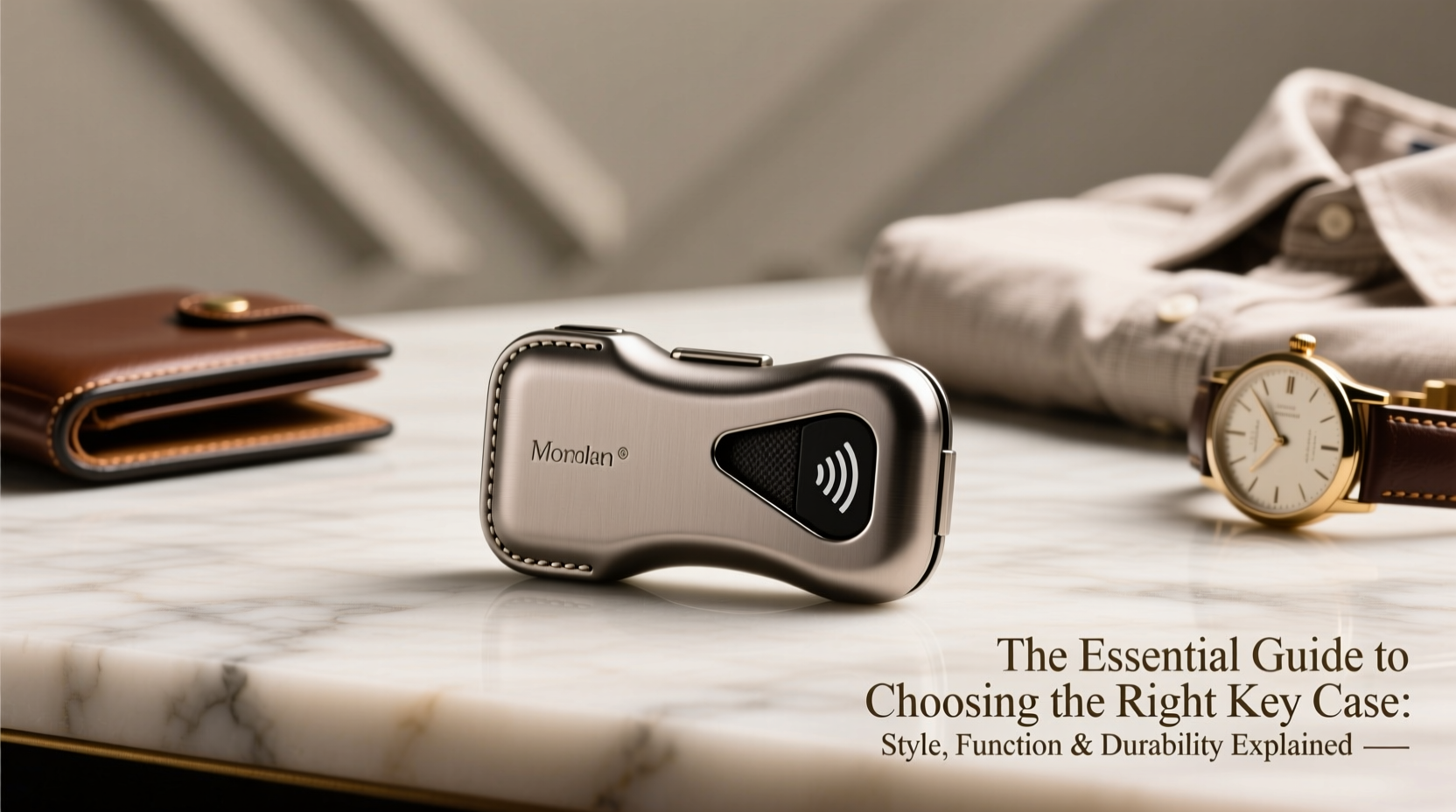
A key case isn’t merely about organization—it’s a small but meaningful upgrade to your daily routine. Without one, keys can scratch phones, damage wallets, or wear down over time from constant friction. They also contribute to noise pollution in your pocket or bag. A quality key case eliminates these issues while offering protection against moisture, dust, and impact. Beyond utility, it serves as a subtle expression of taste. Minimalist leather cases speak to understated elegance; rugged metal organizers signal precision and durability. The right choice enhances both form and function without compromising either.
Key Factors in Choosing the Right Key Case
Selecting the best key case involves evaluating several core attributes: material, size, mechanism, portability, and design. Each plays a critical role in determining how well the product will serve you over months or years.
Material: The Foundation of Durability
The material defines not only how the case looks and feels but also how long it will last under regular use. Common options include:
- Leather (Full-Grain or Top-Grain): Ages beautifully, develops a patina, and offers excellent resistance to abrasion. Ideal for those who appreciate classic craftsmanship.
- Stainless Steel or Aluminum: Provides maximum protection and a sleek, modern look. Resistant to dents and corrosion, though heavier than other materials.
- Silicone or TPU: Lightweight and shock-absorbent, often used in sporty or casual models. Less durable over time but flexible and grippy.
- Recycled Polymers or Eco-Materials: Sustainable alternatives gaining popularity among environmentally conscious buyers.
“Durability begins with material integrity. A full-grain leather or aircraft-grade aluminum case will outlast cheaper composites by years.” — Daniel Reed, Product Design Consultant
Size & Capacity: Matching Your Key Load
Consider how many keys you carry regularly. Most people manage between 3 and 7 keys, including house, car, office, and padlock variants. Overloading a compact case leads to strain on hinges or zippers. Conversely, oversized cases defeat the purpose of streamlining.
Look for modular designs that allow expansion via removable spacers or sliding compartments. Some high-end models even integrate RFID-blocking card sleeves, turning the key case into a minimalist wallet alternative.
Mechanism: Flip, Slide, or Pull?
The way you access your keys affects convenience and speed. Common mechanisms include:
- Fold-over flap: Simple and secure, often secured with a snap or magnet.
- Slide-out tray: Allows quick access without fully opening the case—ideal for driving or security checks.
- Zipped enclosure: Offers superior protection but slower retrieval.
- Magnetic release: Modern and smooth, but magnets may weaken over time if low-quality.
Style That Works for Everyone
While traditionally marketed along gender lines, today’s best key cases embrace unisex design principles. Clean lines, neutral tones (black, brown, charcoal, olive), and balanced proportions appeal across identities. Functionality should never be sacrificed for aesthetics—but the two can coexist.
Men may lean toward compact, angular cases with metal finishes for a tactical feel. Women might prefer softer shapes or pastel accents when integrating the case into a handbag. However, preferences increasingly overlap, especially with minimalist urban lifestyles favoring simplicity and efficiency.
| Design Style | Best For | Lifestyle Fit |
|---|---|---|
| Minimalist Leather | Daily commuters, professionals | Office, travel, city living |
| Rugged Metal | Outdoor enthusiasts, travelers | Hiking, camping, frequent flights |
| Flexible Silicone | Active users, gym-goers | Sports, casual outings |
| Hybrid Wallet-Key Case | Minimalists, digital nomads | Urban exploration, no-wallet routines |
Real-World Example: From Clutter to Confidence
Take Sarah, a freelance photographer based in Portland. She carried five keys—home, studio, car, storage locker, and a backup house key for her sister—plus a USB drive clipped awkwardly to her keyring. Her jeans pockets were frayed, and she once dropped everything during a rainy shoot.
She switched to a stainless steel slide-tray key case with a built-in USB slot. Not only did it protect her items from weather and impact, but it also streamlined her gear. “I don’t think about my keys anymore,” she says. “They’re always there, organized, and quiet. It’s a tiny thing that made a big difference.”
Step-by-Step Guide to Choosing Your Ideal Key Case
- Inventory your keys: Count how many you carry daily. Include any additional items like fobs or USB drives.
- Assess carrying habits: Do you use a backpack, briefcase, purse, or front-pocket wallet? Match the case size accordingly.
- Determine priority: Is silence, slim profile, or maximum protection most important?
- Select material: Prefer warmth and aging (leather), strength (metal), or flexibility (silicone)?
- Test accessibility: If you drive often, prioritize fast-access mechanisms like sliders or magnetic flaps.
- Check closure security: Ensure keys won’t fall out if dropped or jostled.
- Evaluate brand reputation: Read reviews focused on long-term durability, not just first impressions.
Common Mistakes to Avoid
- Choosing style over substance: A beautiful case made from thin leather or weak plastic will degrade quickly.
- Ignoring weight: Heavy metal cases may be overkill for light key sets and become uncomfortable in pockets.
- Overlooking maintenance: Leather needs occasional conditioning; metal requires wiping after exposure to moisture.
- Buying too small: Future-proof your purchase—allow room for one or two additional keys.
Frequently Asked Questions
Can I personalize a key case?
Yes—many brands offer engraving services on metal or embossing on leather. Initials, short messages, or coordinates make thoughtful gifts. Just ensure engraving doesn’t compromise structural integrity, especially on thin metal walls.
How do I clean and maintain my key case?
For leather, use a damp cloth and leather conditioner every few months. For metal, wipe with a dry microfiber cloth; avoid submerging in water unless rated waterproof. Silicone cases can be rinsed gently with soapy water and air-dried.
Are key cases worth the investment?
Absolutely—if you value organization, device protection, and refined personal accessories. A $50–$80 key case can last 5+ years with proper care, replacing multiple cheap alternatives that break within months.
Final Checklist Before Buying
- ✅ Holds all current keys comfortably
- With slight room for future additions
- ✅ Made from durable, high-quality material
- Full-grain leather, stainless steel, or reinforced polymer
- ✅ Secure closure mechanism
- Snaps, strong magnets, or zippers that stay closed under movement
- ✅ Easy one-handed access
- Especially important for drivers or those with mobility considerations
- ✅ Fits comfortably in pocket or bag
- No sharp edges or bulk that causes discomfort
- ✅ Matches your lifestyle and aesthetic
- Whether professional, outdoorsy, or minimalist
Conclusion: Elevate the Everyday
A key case is more than a container—it's a statement of intention. It says you value order, care about the longevity of your belongings, and appreciate thoughtful design. Whether you're drawn to the rich texture of vegetable-tanned leather or the precision of machined aluminum, the right choice will serve you quietly and reliably for years. By balancing style, function, and durability, you turn a mundane object into a trusted part of your daily rhythm.




 浙公网安备
33010002000092号
浙公网安备
33010002000092号 浙B2-20120091-4
Comments
No comments yet. Why don't you start the discussion?