
Polypropylene (PP) kneading pads have become essential tools in physical therapy, massage practices, athletic recovery, and personal wellness routines. Designed to mimic deep tissue manipulation, these pads help relieve muscle tension, improve circulation, and enhance flexibility. However, like any frequently used wellness tool, their effectiveness depends heavily on proper maintenance. Over time, accumulated sweat, oils, dust, and bacteria can degrade the material, reduce grip, and compromise hygiene. A clean, well-maintained PP kneading pad performs better, lasts longer, and remains safe for regular use.
Why Regular Maintenance Matters
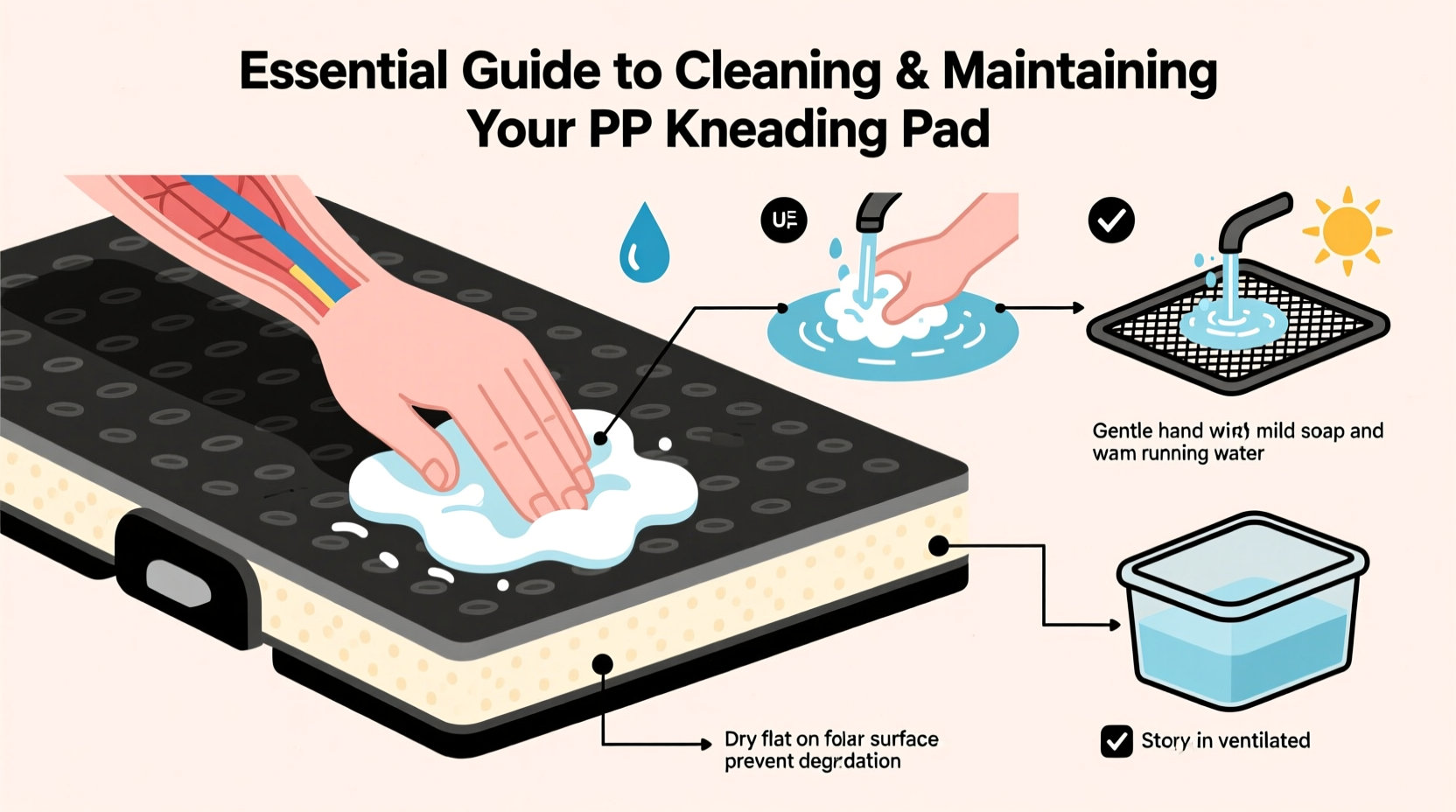
The durability of polypropylene makes it ideal for high-contact tools, but it’s not immune to wear. Unlike porous materials, PP resists moisture absorption, which minimizes mold risk—but surface grime can still build up. When residue from skin oils or lotions accumulates, it creates a slippery film that reduces traction during use. This diminishes the pad’s ability to target specific muscle groups effectively. Additionally, bacteria thrive in warm, moist environments, especially when pads are stored immediately after use without drying.
Regular cleaning prevents odor development, maintains structural integrity, and ensures consistent therapeutic results. Neglecting care can lead to cracking, warping, or deformation—particularly if the pad is exposed to extreme temperatures or harsh chemicals.
“Maintaining a kneading pad isn’t just about cleanliness—it directly affects biomechanical feedback and user safety.” — Dr. Lena Torres, Sports Rehabilitation Specialist
Step-by-Step Cleaning Routine
A structured cleaning process preserves the pad’s texture and function. Follow this timeline for optimal results:
- After Each Use: Wipe down the surface with a dry microfiber cloth to remove sweat and loose debris. This prevents buildup between deep cleans.
- Weekly Deep Clean: Use a damp cloth with a mild detergent solution (two drops of dish soap per cup of water). Gently scrub all textured zones, focusing on high-contact areas.
- Rinse & Dry: Dampen a second cloth with clean water and wipe off soapy residue. Never submerge the pad. Allow it to air-dry completely in a shaded, ventilated area—never in direct sunlight.
- Monthly Inspection: Check for signs of wear such as flattened nodules, discoloration, or micro-tears. Address minor issues before they escalate.
- Sanitization (Every 4–6 Weeks): For deeper disinfection, use a 70% isopropyl alcohol solution applied with a cloth. Avoid bleach-based cleaners, which can degrade PP polymers.
Do’s and Don’ts of PP Kneading Pad Care
| Do | Don’t |
|---|---|
| Use pH-neutral cleaners | Use abrasive scrubbers or steel wool |
| Store flat or rolled loosely in a breathable fabric bag | Fold sharply or compress under heavy objects |
| Clean hands before use to minimize oil transfer | Apply oils or lotions directly onto the pad surface |
| Rotate usage if multiple users share the pad | Share without sanitizing between uses |
| Keep away from heaters or radiators | Leave in hot cars or near open flames |
Real-World Example: The Physical Therapy Clinic Case
In a mid-sized urban clinic specializing in sports rehabilitation, therapists began noticing inconsistent patient feedback on the effectiveness of their PP kneading pads. Some patients reported slipping during sessions, while others complained of lingering odors despite routine wiping. An internal audit revealed that staff were using multipurpose disinfectant sprays containing chlorine, which had gradually degraded the pad surfaces over six months. The once-prominent nodule patterns had softened, reducing tactile stimulation.
After switching to a gentler cleaning protocol—using only alcohol wipes and air-drying overnight—the clinic observed immediate improvements. Patient satisfaction scores rose by 32% within two weeks, and the lifespan of replacement pads doubled. This case underscores how seemingly minor maintenance choices significantly impact performance and cost-efficiency.
Long-Term Maintenance Checklist
- ✅ Wipe pad after every use with a dry, lint-free cloth
- ✅ Perform a full wash with mild soap weekly
- ✅ Sanitize with isopropyl alcohol monthly
- ✅ Inspect for cracks, warping, or loss of texture quarterly
- ✅ Store in a cool, dry place away from UV exposure
- ✅ Replace if nodules become ineffective or surface integrity fails
- ✅ Label individual pads in shared settings to prevent cross-contamination
Frequently Asked Questions
Can I put my PP kneading pad in the dishwasher?
No. Dishwashers expose the pad to high heat, aggressive detergents, and mechanical stress that can warp or crack the polypropylene. Hand cleaning is the only recommended method.
How often should I replace my kneading pad?
With proper care, a high-quality PP kneading pad lasts 18–24 months under daily use. Signs it’s time to replace include flattened nodes, persistent odor after cleaning, visible cracks, or reduced grip during application.
Is it safe to use essential oils with the pad?
Only if applied to the skin—not the pad. Oils like tea tree or eucalyptus may offer therapeutic benefits, but they can leave residues that attract dust and degrade the polymer surface over time. Apply oils to the body first, then use the pad as usual.
Optimizing Performance Through Consistent Care
The value of a PP kneading pad extends beyond its initial purchase price. Its real return lies in consistent, pain-relieving performance over months or years. That reliability hinges on disciplined maintenance. Just as athletes condition their bodies, users must condition their tools. Simple habits—like post-use wiping, shade drying, and scheduled sanitization—compound into significant gains in longevity and efficacy.
Moreover, proper care supports hygiene in both personal and professional settings. In shared environments like gyms or clinics, a well-maintained pad reflects professionalism and attention to client well-being. It also reduces long-term costs by delaying the need for replacements.
“Tools are only as effective as their upkeep. A neglected pad delivers compromised therapy.” — Mark Chen, Clinical Massage Instructor
Final Thoughts and Call to Action
Your PP kneading pad is more than an accessory—it’s a key component of your recovery or treatment regimen. Treating it with care ensures every session delivers maximum benefit. Start today: inspect your pad, clean it thoroughly, and establish a simple maintenance calendar. Whether you're an athlete, therapist, or wellness enthusiast, a little diligence goes a long way in preserving performance and safety.




 浙公网安备
33010002000092号
浙公网安备
33010002000092号 浙B2-20120091-4
Comments
No comments yet. Why don't you start the discussion?