
Having a U.S.-based phone number opens doors—whether you're managing international business operations, establishing credibility in the American market, or simply staying connected with friends and family across borders. Unlike traditional SIM-dependent lines, modern communication tools now allow anyone, anywhere, to create and maintain a legitimate USA phone number without being physically present in the country. This guide walks through the practical steps, best services, legal considerations, and strategic advantages of obtaining a U.S. number tailored to your needs.
Why a USA Phone Number Matters
A U.S. phone number carries global recognition and trust. For businesses, it signals local presence, improves customer response rates, and enhances marketing effectiveness. Studies show that customers are more likely to answer calls from local area codes than from international numbers. For individuals relocating abroad or digital nomads, maintaining a U.S. number ensures continuity in banking, social accounts, and two-factor authentication (2FA) access.
Moreover, many online platforms—including Google Voice, WhatsApp, and financial institutions—require verification via a valid U.S. number. Without one, users may face limitations in accessing essential services.
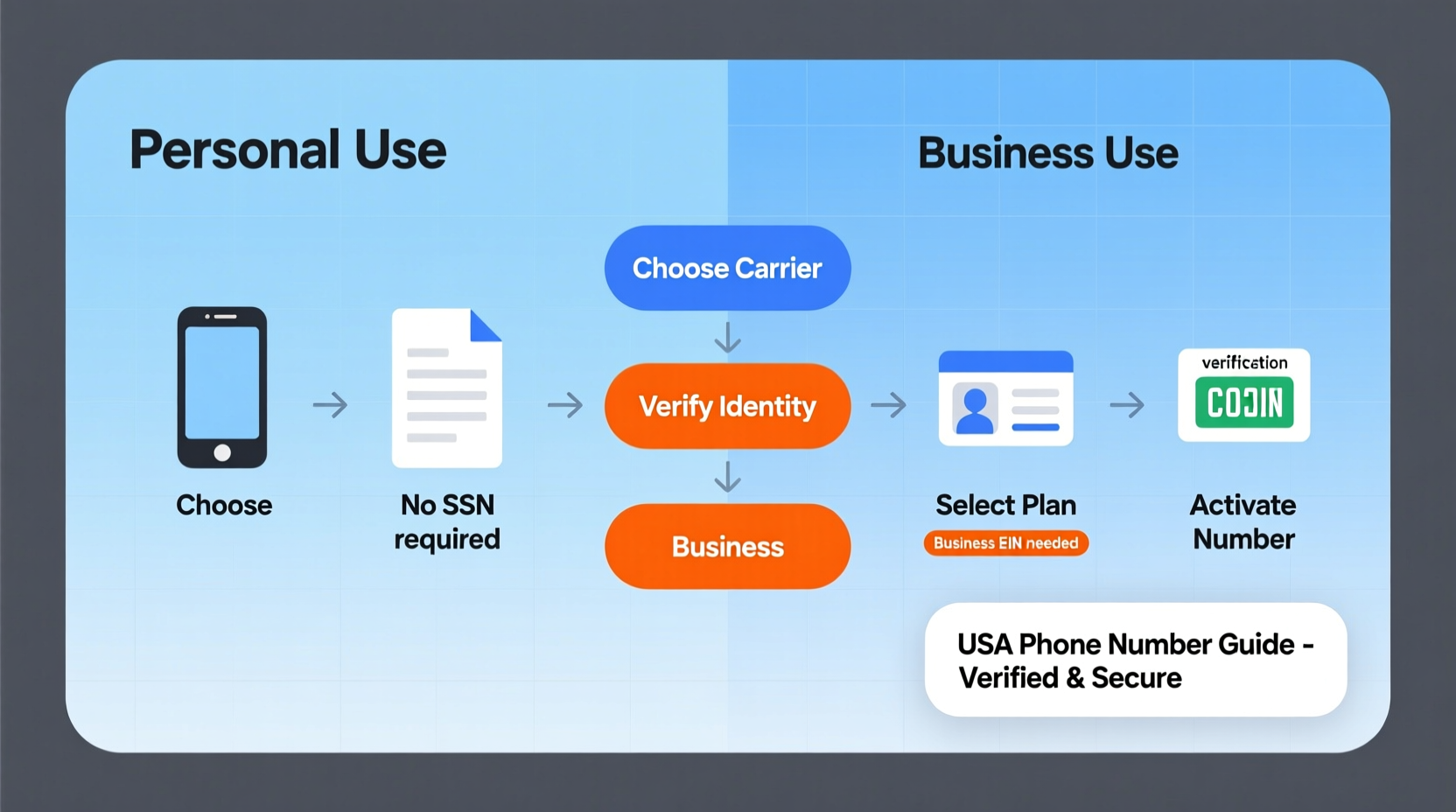
How to Get a USA Phone Number: Step-by-Step Process
- Determine Your Use Case: Decide whether the number is for personal communication, business calling, SMS verification, or virtual receptionist services.
- Select a Reliable Provider: Research VoIP (Voice over Internet Protocol) platforms offering U.S. numbers globally. Top providers include Google Voice, OpenPhone, TextNow, and Grasshopper.
- Create an Account: Register using your real name and current location. Some services require identity verification.
- Choose Your Number: Pick from available options, including toll-free (800, 888) or geographic numbers.
- Verify Identity (if required): A few providers ask for a temporary U.S. number or credit card for validation.
- Activate and Configure: Set up call forwarding, voicemail, texting preferences, and integrations with apps like Slack or CRM systems.
This entire process can be completed within minutes, provided you meet the provider’s eligibility criteria.
Top Providers Compared: Features and Limitations
| Provider | Pricing (Starting) | U.S. Number Type | SMS Support | International Calling | Best For |
|---|---|---|---|---|---|
| Google Voice | Free | Geographic | Yes | Limited (paid) | Personal use, 2FA, light business |
| OpenPhone | $15/month | Geographic & Toll-Free | Yes | Yes (add-on) | Startups, solopreneurs |
| TextNow (Web App) | Free (ad-supported) | Geographic | Yes | No | Casual users, temporary needs |
| Grasshopper | $26/month | Geographic & Toll-Free | Yes | Yes | Small businesses, teams |
| Skype Number | $7/year + usage fees | Geographic | No | Yes | Incoming calls only |
Each service balances cost, functionality, and accessibility differently. Google Voice offers unmatched value but restricts availability outside the U.S. unless accessed during initial registration within the country. Alternatives like OpenPhone bypass geo-restrictions and offer full business-grade features.
Legal and Ethical Considerations
Obtaining a U.S. phone number does not require U.S. citizenship or residency, but compliance with service terms is critical. Misrepresenting your identity or using numbers for spam, fraud, or impersonation violates federal regulations under the Truth in Caller ID Act and can result in penalties.
Carriers and VoIP providers monitor for abuse patterns. Numbers used for high-volume automated dialing without consent may be suspended. Always ensure transparency in caller identification and adhere to TCPA (Telephone Consumer Protection Act) guidelines when conducting outreach.
“Using a U.S. number responsibly builds trust. It's not about masking location—it's about enabling reliable communication.” — Daniel Reeves, Telecom Compliance Advisor
Real-World Example: Building a Remote Business Presence
Consider Maria, a freelance graphic designer based in Portugal. She began targeting clients in New York and California but noticed her Portuguese number deterred responses. After signing up with OpenPhone, she acquired a 415 area code number linked to her laptop and tablet. She configured professional voicemail, enabled team messaging, and integrated the line with her calendar for callback scheduling.
Within three months, her client reply rate increased by 40%. Clients assumed she was locally based, improving perceived responsiveness. The number also allowed her to verify U.S.-only design collaboration tools that required SMS confirmation.
Maria’s case illustrates how a simple number change can significantly impact professionalism and market reach.
Do’s and Don’ts of Managing a U.S. Phone Number
| Do’s | Don’ts |
|---|---|
| Use a consistent name and time zone-appropriate response windows | Don’t use fake addresses or synthetic identities during registration |
| Enable encryption and multi-factor authentication on your VoIP account | Don’t share your number publicly without spam filters |
| Regularly update recovery email and backup methods | Don’t route calls through unsecured public Wi-Fi networks |
| Monitor usage logs for unauthorized access | Don’t rely solely on free-tier services for mission-critical communications |
Frequently Asked Questions
Can I get a U.S. phone number without living in the U.S.?
Yes. Many VoIP providers allow international users to register and activate U.S. numbers. While Google Voice restricts new sign-ups to U.S. residents, alternatives like OpenPhone, TextNow (web version), and Skype offer global access with minimal requirements.
Will my U.S. number work for two-factor authentication (2FA)?
Most major platforms—including Google, Microsoft, banks, and social media sites—accept U.S.-based VoIP numbers for SMS verification. However, some institutions like certain banks or WhatsApp have begun blocking known VoIP ranges. In such cases, using a mobile carrier-linked number or temporary bridging solutions may be necessary.
Are toll-free numbers worth it for small businesses?
Toll-free numbers (800, 888, etc.) enhance professionalism and remove cost barriers for customers calling from anywhere in the U.S. They’re especially valuable for customer service lines, lead generation, and national branding. Though slightly more expensive, they project scalability and commitment.
Action Plan: Checklist for Setting Up Your USA Number
- ☐ Define your primary use: personal, business, or verification-only
- ☐ Research and compare at least three VoIP providers
- ☐ Select a number with a credible area code aligned with your goals
- ☐ Complete registration with accurate information
- ☐ Verify ownership through test calls or SMS
- ☐ Configure voicemail, forwarding, and security settings
- ☐ Integrate with existing tools (email, CRM, calendar)
- ☐ Test inbound and outbound functionality across devices
- ☐ Monitor usage weekly during the first month
- ☐ Update contact details on key accounts (banking, social media, cloud services)
Final Thoughts: Turn a Number Into an Asset
A U.S. phone number is more than a communication tool—it's a strategic asset. Whether you're expanding your freelance brand, launching a remote startup, or securing access to essential online services, the right number enhances credibility, accessibility, and operational flexibility. By choosing a reputable provider, following best practices, and aligning your number with your long-term objectives, you position yourself for smoother interactions and broader opportunities.




 浙公网安备
33010002000092号
浙公网安备
33010002000092号 浙B2-20120091-4
Comments
No comments yet. Why don't you start the discussion?