
A well-crafted chain bag is more than an accessory—it’s a statement of taste, function, and enduring design. From classic shoulder slings to modern crossbodies, the popularity of chain bags endures because they blend sophistication with versatility. Yet, not all chain bags are built to last. The difference between a piece that fades after a season and one that becomes a lifelong staple lies in the materials used. Understanding how to identify high-quality components—metal chains, fabrics, linings, and hardware—is crucial for making smart, sustainable fashion choices.
The Role of Material Quality in Chain Bag Longevity
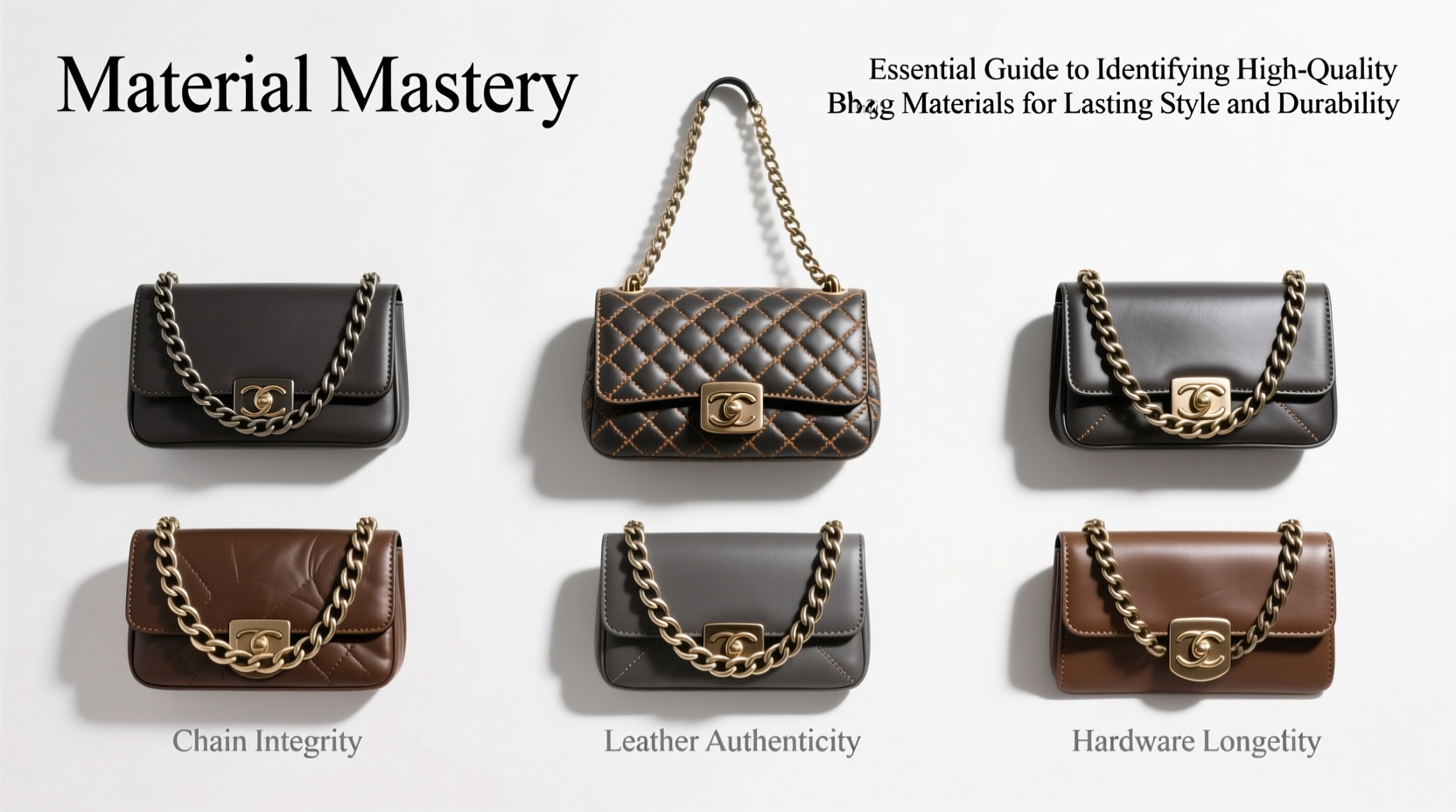
The lifespan of a chain bag hinges on three core elements: structural integrity, resistance to wear, and aesthetic consistency over time. Inferior materials may look luxurious at first glance but often fail under daily use. A flimsy chain link can snap, a thin fabric may fray, and poorly coated hardware can chip or tarnish. High-quality materials not only endure mechanical stress but also age gracefully, developing a patina rather than deteriorating.
Fashion experts emphasize that material choice directly impacts both function and value retention. As Maria Lin, a luxury accessories curator, explains:
“Investing in a chain bag made from premium materials isn’t about indulgence—it’s about efficiency. You’re paying once for something that lasts decades, not repeatedly replacing cheaper alternatives.” — Maria Lin, Accessories Curator at Atelier Vogue
Key Materials in Chain Bags: What to Look For
Chain bags combine multiple materials, each contributing to overall performance. Evaluating them individually ensures you don’t overlook weak points disguised by attractive design.
Metal Chains: Strength, Weight, and Finish
The chain is the defining feature of these bags. It must support the bag’s weight without stretching, breaking, or causing discomfort.
- Material Type: Solid brass, stainless steel, or aluminum are top-tier choices. Brass offers durability and a rich luster; stainless steel resists corrosion; aluminum provides lightweight strength.
- Plating: Look for thick, multi-layer plating (e.g., 14k gold or rhodium over brass). Avoid “flash plating,” which wears off quickly.
- Link Construction: Links should be tightly interlocked and smoothly finished. Rough edges indicate poor craftsmanship and increase snagging risk.
- Weight Test: A heavier chain usually indicates solid metal rather than hollow or plastic-core construction.
Bag Body: Leather, Fabric, and Alternatives
The body determines the bag’s texture, resilience, and maintenance needs.
| Material | Pros | Cons | Best For |
|---|---|---|---|
| Full-Grain Leather | Durable, ages beautifully, water-resistant | Premium price, requires conditioning | Daily use, long-term investment |
| Suede/Nubuck | Soft texture, elegant look | Stains easily, hard to clean | Evening or seasonal wear |
| Cotton Canvas | Breathable, lightweight, eco-friendly | Less structured, prone to fraying | Casual styles, summer use |
| Recycled Polyester | Sustainable, weather-resistant | May lack breathability, lower resale value | Eco-conscious buyers |
When inspecting leather, press the surface lightly. High-quality leather will crease naturally and rebound slightly. If it feels plasticky or doesn’t flex, it’s likely bonded or synthetic.
Lining and Interior Finishes
Often overlooked, the lining protects contents and reflects manufacturing care. Premium bags use tightly woven cotton, satin, or microfiber linings with reinforced stitching. Check for:
- Double-stitched seams
- No loose threads or puckering
- Odorless fabric (chemical smells suggest low-grade synthetics)
- Interior pockets with secure zippers or snaps
Hardware and Structural Integrity
Clasps, zippers, and connectors are functional weak points if poorly made. Even the finest leather won’t compensate for a broken clasp.
Examine:
- Zipper Quality: Should glide smoothly without catching. YKK or Riri zippers are industry benchmarks.
- Clasp Mechanism: Magnetic closures should engage firmly; turn-lock clasps should click securely.
- Attachment Points: Where the chain meets the bag, there should be reinforced metal rings or bar-tacks. Stitching alone is insufficient for long-term strain.
“The weakest point in any bag is where the strap or chain attaches. Reinforced metal grommets and double stitching are non-negotiables.” — Daniel Park, Handbag Engineer at LuxForm Design Studio
Real-World Example: Choosing Between Two Similar-Looking Bags
Consider Sarah, a professional stylist shopping for a black chain crossbody. She finds two options: one priced at $85, another at $220. Both appear nearly identical online.
At the store, she inspects them closely:
- The $85 bag has a lightweight chain with visible glue residue on links, a poly-blend outer shell, and a flimsy magnetic snap.
- The $220 bag features a solid brass chain with rhodium plating, full-grain leather body, YKK zipper, and bar-tacked chain anchors.
Sarah chooses the pricier option. After 18 months of daily use, her bag shows minimal wear, retains its shape, and the chain remains untarnished. The cheaper alternative, worn by a colleague, already has a broken link and peeling finish. This case underscores that visual similarity often masks critical material differences.
Step-by-Step Guide: How to Evaluate a Chain Bag Before Purchase
Follow this practical checklist when assessing a chain bag in-store or online:
- Inspect the chain: Bend a section gently. It should resist deformation and return to form. Listen for creaking—a sign of weak joints.
- Check metal thickness: Compare with a known quality bag. Use a coin to tap the chain—dull thuds suggest hollow metal.
- Test closure mechanisms: Open and close the clasp or zipper 5–6 times. It should operate consistently without sticking.
- Examine stitch density: Look for at least 8–10 stitches per inch. Uneven spacing indicates rushed production.
- Smell the material: Genuine leather has a distinct earthy aroma. Chemical odors signal synthetic coatings.
- Assess interior structure: Press into the lining. There should be no sagging or thin spots.
- Review brand transparency: Reputable brands disclose material sources and care instructions.
Frequently Asked Questions
Can a chain bag be both lightweight and durable?
Yes. Aluminum alloys and high-tensile synthetic fibers allow for strong yet light construction. The key is balanced engineering—lightweight doesn’t mean flimsy.
How do I care for a plated metal chain?
Wipe with a dry, soft cloth after use. Avoid exposure to perfumes, lotions, or water. Store separately to prevent scratching. Replating every few years can restore shine.
Are vegan leather chain bags durable?
High-end vegan leathers like Piñatex or cork-based materials offer good durability, but most budget PU leathers crack within 1–2 years. Look for warranties and customer reviews on longevity.
Your Action Plan for Smarter Chain Bag Choices
Choosing a chain bag based solely on aesthetics leads to short-lived satisfaction. True style endures through thoughtful material selection. Prioritize solid metals, natural or advanced textiles, and precision hardware. Inspect before buying, ask questions, and favor brands that stand behind their craftsmanship.
Next time you're drawn to a chic chain bag, pause and probe beneath the surface. Feel the weight, test the clasp, study the seams. These small actions protect your investment and elevate your wardrobe with pieces that don’t just look good—they perform, endure, and tell a story of discernment.




 浙公网安备
33010002000092号
浙公网安备
33010002000092号 浙B2-20120091-4
Comments
No comments yet. Why don't you start the discussion?