
Starting a service-based business can be one of the most accessible and rewarding paths to entrepreneurship. Unlike product-based ventures, service businesses often require lower upfront investment, offer faster time-to-market, and allow you to leverage your expertise directly. But turning your skills into a profitable, scalable operation demands more than just talent—it requires planning, strategy, and execution. This guide delivers actionable insights to help you launch with confidence, avoid common missteps, and build a foundation for long-term success.
Define Your Niche and Value Proposition
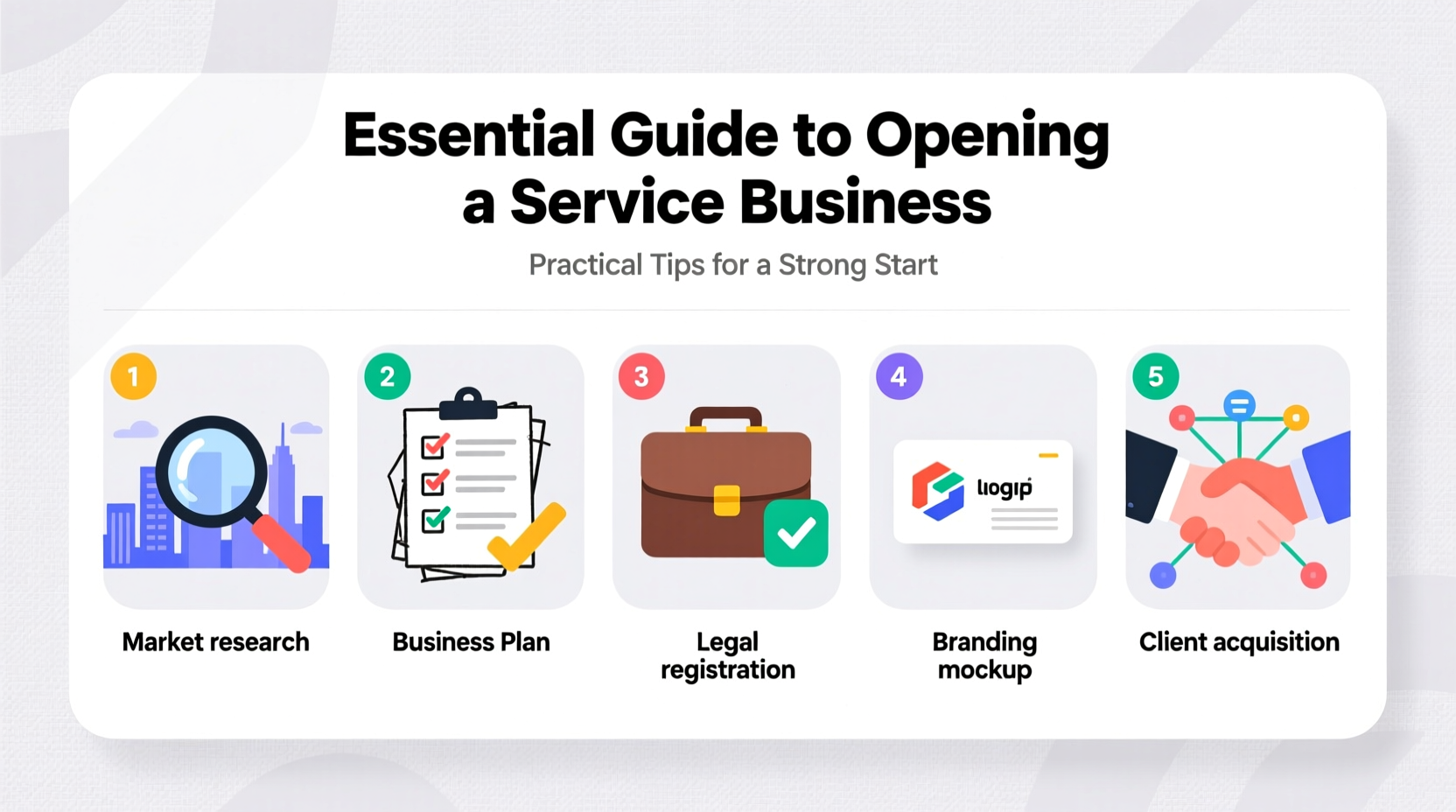
The first step in launching any service business is clarity. Who exactly are you serving? What problem do you solve? And why should clients choose you over competitors? Vague positioning like “I do marketing” or “I offer consulting” won’t cut it in a crowded market.
Narrowing your focus increases perceived expertise and makes marketing more efficient. For example, instead of being a general fitness trainer, position yourself as a specialist in postpartum strength training for women. Instead of generic web design, focus on creating websites for eco-conscious startups.
“Specialization isn’t limiting—it’s liberating. It allows you to charge more, attract better clients, and stand out without competing on price.” — Marcus Reed, Small Business Growth Consultant
Create a Lean Launch Plan
You don’t need a full office, a dozen employees, or a six-figure budget to begin. A lean launch focuses on delivering value quickly while minimizing risk and overhead. The goal is to generate revenue and gather feedback as early as possible.
Start by outlining your core offering, pricing model, and initial customer acquisition strategy. Identify the minimum viable version of your service—the simplest form that still delivers real results. This could mean offering one-on-one coaching instead of group programs, or starting with local clients before going online.
Step-by-Step Launch Timeline (First 60 Days)
- Week 1–2: Finalize your service package, pricing, and brand identity (name, logo, tagline).
- Week 3: Set up essential tools (email, scheduling, invoicing) and create a simple website or landing page.
- Week 4: Reach out to your network for pilot clients—offer discounted or free sessions in exchange for testimonials.
- Week 5–6: Deliver services, collect feedback, and refine your process.
- Week 7–8: Begin paid outreach via social media, referrals, or local partnerships.
Build Systems Before Scaling
One of the biggest mistakes new service providers make is jumping into scaling before establishing repeatable systems. Without structure, every client becomes a custom project, leading to burnout and inconsistent results.
Map out your client journey from inquiry to delivery to follow-up. Document standard operating procedures for onboarding, communication, service delivery, and invoicing. Use tools like Google Calendar for scheduling, Calendly for booking, and Notion or Trello for workflow management.
| Process Stage | Key Components | Tools to Consider |
|---|---|---|
| Lead Capture | Contact form, lead magnet, email list | Mailerchimp, ConvertKit, Typeform |
| Scheduling | Availability sync, reminders | Calendly, Acuity Scheduling |
| Service Delivery | Templates, checklists, client portal | Google Drive, Notion, Loom |
| Billing & Invoicing | Payment plans, late fees, receipts | Wave, QuickBooks, PayPal |
Avoid These Common Pitfalls
Many promising service businesses fail not because of poor service, but due to preventable oversights. Awareness is half the battle.
- Pricing too low: Underpricing attracts high-maintenance clients and devalues your work. Charge based on outcomes, not hours.
- Ignoring contracts: Even verbal agreements should be documented. Use a simple contract outlining scope, payment terms, and cancellation policies.
- Doing everything yourself: Delegation isn’t a luxury—it’s a necessity for growth. Outsource admin, bookkeeping, or marketing when feasible.
- Skipping financial tracking: Know your numbers. Track income, expenses, and profit margins monthly.
Do’s and Don’ts at a Glance
| Do | Don't |
|---|---|
| Validate demand before investing heavily | Assume people will pay without testing |
| Collect testimonials early | Wait until you feel “ready” to ask |
| Set clear boundaries with clients | Allow endless revisions or scope creep |
| Invest in professional branding | Rely solely on DIY design with no cohesion |
Real Example: From Side Hustle to Full-Time Service Business
Jamila started as a freelance resume writer while working full-time in HR. She began by helping friends and former colleagues, charging $75 per resume. After receiving consistent praise and referral requests, she created a basic website and launched a LinkedIn outreach campaign.
Within three months, she had 20 paying clients. She used their feedback to develop tiered packages—Basic, Career Change, and Executive—and raised her prices to $150–$350. By automating her intake form, using templates, and recording video walkthroughs for clients, she reduced delivery time by 40%.
By month six, Jamila was earning enough to transition out of her job. Today, she runs a team of two other writers and partners with career coaches across the country. Her secret? She focused on solving one specific problem exceptionally well and built systems before expanding.
Frequently Asked Questions
How much money do I need to start a service business?
It depends on your field, but many service businesses can launch for under $1,000. Essential costs include legal setup (LLC or sole proprietorship), website hosting, basic software subscriptions, and marketing materials. Some—like virtual assistants or consultants—can start for less than $200.
Do I need a business license?
In most regions, yes. Requirements vary by location and industry. Check with your local city or county clerk’s office. Even if not legally required, having a formal structure builds credibility and protects your personal assets.
How do I get my first clients?
Leverage your existing network. Offer a limited-time discount or free audit to early clients in exchange for honest feedback and testimonials. Share case studies on social media and join relevant online communities where your ideal clients spend time.
Launch Checklist: Your First 30-Day Action Plan
- ✅ Define your ideal client and craft a clear service description
- ✅ Choose a business name and register it (if applicable)
- ✅ Open a separate bank account for business finances
- ✅ Build a simple website or landing page with contact info and services
- ✅ Set up scheduling and invoicing tools
- ✅ Draft a basic client agreement template
- ✅ Identify your first five potential clients and reach out personally
- ✅ Deliver your service, request feedback, and ask for a testimonial
Conclusion: Start Now, Refine Later
Perfection is the enemy of progress. The strongest service businesses aren’t those that waited until everything was flawless—they’re the ones that started small, learned fast, and adapted quickly. Your expertise has value. The market needs solutions. Waiting for the “perfect” moment only delays your momentum.




 浙公网安备
33010002000092号
浙公网安备
33010002000092号 浙B2-20120091-4
Comments
No comments yet. Why don't you start the discussion?