
Outdoor Bluetooth speakers are built for adventure—rain or shine, beach or backyard, they deliver powerful sound where traditional audio systems can't go. But even the most rugged models need proper care during downtime. How you store your speaker when it's not in use directly affects its lifespan, performance, and reliability. Dust, moisture, temperature extremes, and physical damage can all degrade components over time. A well-maintained storage routine ensures your speaker remains ready for action whenever you are.
Why Proper Storage Matters
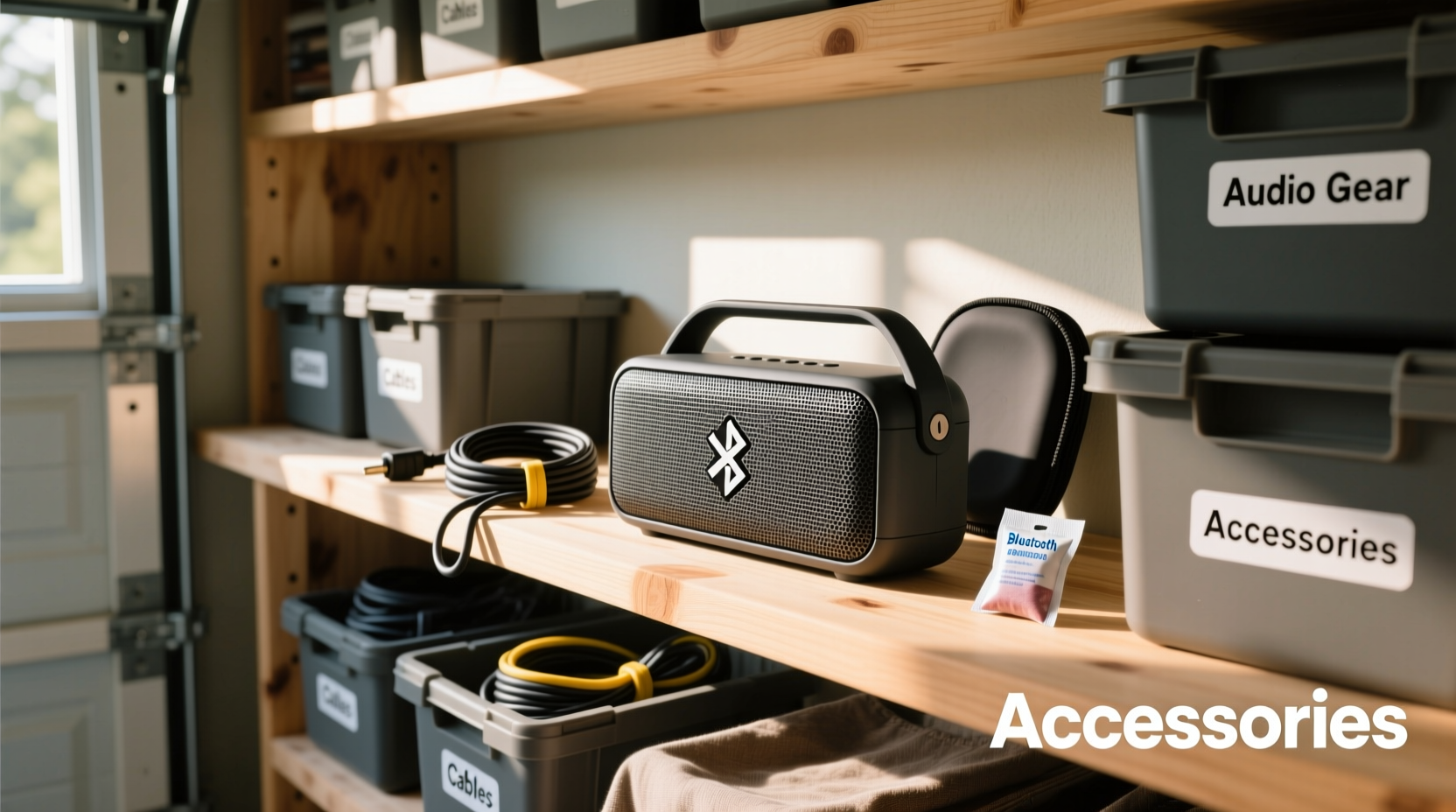
Unlike indoor speakers, outdoor Bluetooth models are designed with water resistance, shock absorption, and UV protection. However, these features aren’t permanent. Seals degrade, rubber gaskets dry out, and internal electronics remain vulnerable to environmental stressors—even when the device is powered off.
Poor storage accelerates wear. For example, leaving a speaker in a damp garage can lead to mold growth inside the driver housing, while storing it near a heater may warp plastic enclosures and reduce battery efficiency. Over time, neglect leads to distorted sound, charging issues, or complete failure.
“Many users think their waterproof speaker can handle any condition, but long-term exposure to humidity or temperature swings during storage causes irreversible internal damage.” — Jordan Lin, Audio Equipment Technician at SoundCare Labs
Step-by-Step: How to Prepare Your Speaker for Storage
Before tucking your speaker away, follow this sequence to minimize risk and preserve functionality:
- Power down completely. Don’t just disconnect—turn off the unit. Residual power draw can drain the battery over months.
- Clean the exterior gently. Use a soft, slightly damp microfiber cloth to wipe away dirt, sand, or salt residue. Avoid solvents or abrasive cleaners.
- Dry thoroughly. Even if the speaker is IPX7-rated, moisture can linger in ports or crevices. Let it air-dry in a shaded, ventilated area for 2–4 hours.
- Check the charging port cover. Ensure the rubber flap (if present) is intact and closed to prevent dust intrusion.
- Charge to 50–60%. Storing a fully charged or completely drained battery stresses lithium-ion cells. Aim for the middle range for optimal longevity.
- Disconnect accessories. Remove straps, mounts, or external cables that could trap moisture or exert pressure on joints.
Choosing the Right Storage Environment
The ideal storage space balances temperature stability, low humidity, and physical safety. Consider these factors:
- Temperature: Keep between 41°F (5°C) and 77°F (25°C). Avoid attics, car trunks, or sheds that experience extreme fluctuations.
- Humidity: Relative humidity should stay below 60%. High moisture encourages corrosion and fungal growth.
- Light exposure: Prolonged sunlight degrades plastics and fades colors. Store in a dark or shaded cabinet.
- Airflow: Choose a location with mild ventilation to prevent musty odors without exposing the speaker to dust storms.
| Storage Location | Recommended? | Risks |
|---|---|---|
| Living room closet (climate-controlled) | ✅ Yes | Minimal risk if clean and dry |
| Bathroom cabinet | ❌ No | High humidity from showers damages seals |
| Garage shelf (uninsulated) | ⚠️ Conditional | Only if temperature-stable and sealed in container |
| Bedroom drawer | ✅ Yes | Low risk; avoid overcrowding |
| Car trunk | ❌ No | Extreme heat in summer, cold in winter; condensation risk |
Best Practices for Long-Term Storage
If you won’t use your speaker for more than three months—such as during winter in colder climates—take extra precautions:
- Use a protective case. A padded neoprene sleeve or hard-shell travel case prevents scratches and absorbs minor impacts.
- Add desiccant packs. Include silica gel packets inside the storage container to absorb ambient moisture.
- Elevate off the floor. Place the speaker on a shelf rather than directly on concrete, which can emit moisture.
- Inspect every 6–8 weeks. Power on briefly to check function and recharge to 50% if needed.
Real Example: The Beach Speaker That Lasted Five Summers
Mark T., an avid camper from Oregon, has used the same JBL Charge 5 at lakeside cabins and coastal hikes since 2019. While most of his friends have replaced theirs due to muffled sound or charging faults, Mark’s still performs flawlessly. His secret? A strict post-use ritual: rinse with fresh water after saltwater exposure, dry in his tent vestibule overnight, then store in a zippered mesh bag inside a climate-controlled basement closet. Every three months, he powers it on, checks volume levels, and tops the charge to 60%. “It takes five minutes,” he says, “but it’s saved me over $300 in replacements.”
Common Storage Mistakes to Avoid
Even experienced users make errors that compromise their gear. Watch out for these pitfalls:
- Leaving it in direct sunlight – UV rays break down polymers and discolor casings.
- Storing while damp – Leads to trapped moisture and internal mold.
- Stacking heavy items on top – Can crack housings or misalign drivers.
- Ignoring firmware updates before storage – Outdated software may cause pairing issues later.
- Using plastic bags as containers – Non-breathable materials trap condensation.
Storage Checklist
Use this quick-reference checklist before putting your speaker away:
- ☐ Turn off the speaker completely
- ☐ Wipe down with a dry or slightly damp cloth
- ☐ Confirm all ports are dry and covered
- ☐ Charge battery to 50–60%
- ☐ Remove detachable accessories
- ☐ Place in a padded case or breathable fabric pouch
- ☐ Store in a cool, dry, dark location
- ☐ Add a silica gel pack nearby
- ☐ Schedule a maintenance check in 2 months
Frequently Asked Questions
Can I store my waterproof speaker outside?
No. Even if rated IP67 or higher, prolonged outdoor storage exposes the unit to UV degradation, temperature swings, and potential animal interference. Always bring it indoors when not in regular use.
How often should I turn on a stored speaker?
Every 4–6 weeks. This maintains battery health and allows you to detect issues like swelling or corrosion early. Run it for 10–15 minutes and verify Bluetooth pairing works.
Is it safe to store a speaker in a basement?
Only if the basement is finished, climate-controlled, and not prone to flooding or dampness. Unfinished basements often have high humidity, which harms electronic components over time.
Protect Your Investment
Your outdoor Bluetooth speaker is more than a gadget—it’s a companion for memories made under open skies. With thoughtful storage, you extend not just its operational life but also its ability to deliver crisp, powerful audio when it matters most. Simple habits like drying before storage, maintaining partial charge, and choosing the right environment compound into years of reliable performance. Whether you use your speaker weekly or seasonally, treat downtime with the same care as active use.




 浙公网安备
33010002000092号
浙公网安备
33010002000092号 浙B2-20120091-4
Comments
No comments yet. Why don't you start the discussion?