
For millions of people, eliminating wheat from the diet is no longer just a trend—it’s a necessity for optimal health. Whether due to celiac disease, non-celiac gluten sensitivity, or personal wellness goals, adopting a wheat free diet can lead to improved digestion, increased energy, and better long-term metabolic function. However, going wheat free doesn’t mean sacrificing flavor, satisfaction, or nutrition. With the right knowledge and planning, this dietary shift can become a sustainable and empowering lifestyle choice.
Why Eliminate Wheat? Understanding the Health Impacts
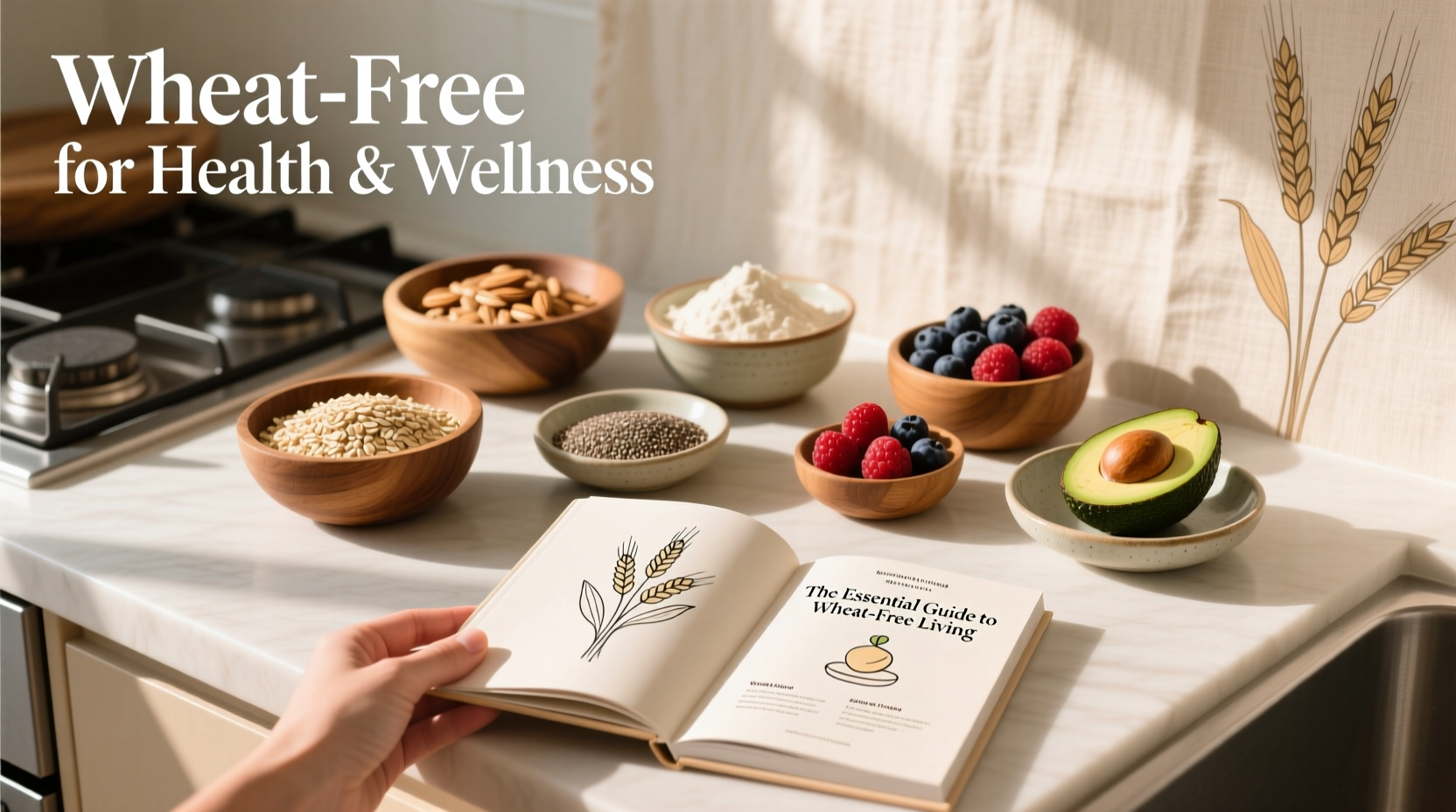
Wheat is a staple in many diets around the world, but its primary protein—gluten—can trigger adverse reactions in certain individuals. For those with celiac disease, consuming even trace amounts of wheat leads to an autoimmune response that damages the small intestine. Symptoms include bloating, diarrhea, fatigue, joint pain, and nutrient deficiencies.
Beyond celiac disease, research suggests that non-celiac gluten sensitivity affects up to 13% of the population. These individuals experience similar symptoms without intestinal damage. Additionally, modern wheat varieties have undergone significant hybridization over the past 50 years, increasing their gluten content and altering digestibility.
“Removing wheat can be transformative—not just for gut health, but for systemic inflammation, brain fog, and even skin conditions like eczema.” — Dr. Lena Patel, Integrative Nutrition Specialist
Some also choose a wheat free diet for blood sugar control. Refined wheat products cause rapid glucose spikes, contributing to insulin resistance over time. By replacing them with whole, unprocessed alternatives, individuals often report more stable energy levels and reduced cravings.
Foods to Eat and Avoid on a Wheat Free Diet
The foundation of a successful wheat free diet lies in knowing which foods contain hidden wheat and which are naturally safe. While oats, barley, and rye contain gluten, only wheat must be fully eliminated in a wheat-specific protocol (note: those avoiding gluten entirely should exclude all three).
| Foods to Include | Foods to Avoid |
|---|---|
| Rice (white, brown, wild) | Bread, pasta, couscous |
| Quinoa, buckwheat, millet | Cookies, cakes, pastries |
| Legumes (beans, lentils, chickpeas) | Soy sauce, teriyaki sauce |
| Nuts, seeds, nut flours | Beer (unless labeled wheat-free) |
| Fresh fruits and vegetables | Processed snacks with “modified food starch” |
Step-by-Step Guide to Transitioning to a Wheat Free Lifestyle
Making the switch to a wheat free diet requires more than simply removing bread from your pantry. It involves rethinking meals, shopping habits, and social eating. Follow this timeline for a smooth transition:
- Week 1: Audit Your Pantry – Remove all items containing wheat. Check labels on condiments, soups, and seasonings. Replace with certified wheat free versions where possible.
- Week 2: Plan Balanced Meals – Design a weekly menu using naturally wheat free grains like quinoa and rice. Focus on lean proteins, healthy fats, and fiber-rich vegetables.
- Week 3: Master Label Reading – Learn common aliases for wheat: semolina, durum, farina, bulgur, spelt, triticale, and malt (often derived from barley but cross-contaminated).
- Week 4: Dine Out Safely – Choose restaurants with clear allergen menus. Ask how dishes are prepared to avoid cross-contact in shared fryers or grills.
- Ongoing: Reintroduce Mindfully (if applicable) – After 6–8 weeks, some may test reintroduction under medical supervision to assess tolerance.
Real-Life Example: Maria’s Journey to Wellness
Maria, a 42-year-old teacher from Portland, struggled with chronic fatigue and bloating for years. Doctors found no clear diagnosis, but after reading about gluten-related disorders, she decided to try a wheat free diet. Within two weeks, her energy improved dramatically. By week four, her digestive discomfort had nearly vanished.
She replaced her morning toast with a veggie omelet and swapped lunchtime sandwiches for quinoa bowls with roasted vegetables and chickpeas. Her favorite discovery? Cauliflower crust pizza made at home with almond flour and cheese.
“I didn’t realize how much brain fog I was living with until it lifted,” Maria shared. “Now I feel sharper and more present at work and with my family.”
Building a Sustainable Wheat Free Kitchen
A well-stocked kitchen makes adherence easier. Keep these essentials on hand to simplify meal prep and reduce temptation:
- Gluten-free oats (certified to avoid cross-contamination)
- Almond flour, coconut flour, tapioca starch
- Canned beans and lentils (low sodium preferred)
- Extra virgin olive oil, avocado oil, coconut aminos
- Frozen vegetables and fruits for quick use
- Wheat free tamari or coconut aminos instead of soy sauce
Common Pitfalls and How to Avoid Them
Many people fail to see benefits on a wheat free diet because they replace wheat with ultra-processed substitutes. Gluten-free cookies, crackers, and baked goods often contain refined starches and added sugars that spike blood sugar and contribute to weight gain.
Instead of relying on packaged alternatives, emphasize whole, single-ingredient foods. A balanced plate should consist of:
- 50% non-starchy vegetables
- 25% high-quality protein (chicken, fish, tofu, eggs)
- 25% complex carbohydrates (sweet potatoes, brown rice, legumes)
Also, beware of “gluten-free” marketing. Just because a product is labeled gluten-free doesn’t mean it’s healthy. Always check the full ingredient list.
Frequently Asked Questions
Is a wheat free diet the same as a gluten-free diet?
No. A wheat free diet eliminates only wheat and its derivatives, while a gluten-free diet excludes all gluten-containing grains: wheat, barley, rye, and their hybrids. People with celiac disease require a strict gluten-free approach, whereas those sensitive only to wheat may tolerate other gluten sources.
Can I still eat bread on a wheat free diet?
Yes—but not traditional bread. Look for breads made from alternative flours like almond, coconut, flaxseed, or cassava. Many brands now offer wheat free, gluten-free loaves. You can also make your own using simple recipes with egg, cheese, and low-carb flours for a satisfying substitute.
Will cutting out wheat help me lose weight?
Not necessarily—but many do experience weight loss when eliminating wheat, primarily because they reduce processed carbohydrates and added sugars. The key is focusing on whole foods rather than replacement junk food labeled “wheat free.” Weight changes depend on overall calorie balance and food quality.
Final Thoughts: Taking Control of Your Health
Adopting a wheat free diet is more than a short-term fix—it’s a commitment to listening to your body and making informed choices. When done thoughtfully, it supports digestive health, reduces inflammation, and enhances mental clarity. The initial adjustment may seem challenging, but with preparation and the right resources, it quickly becomes second nature.




 浙公网安备
33010002000092号
浙公网安备
33010002000092号 浙B2-20120091-4
Comments
No comments yet. Why don't you start the discussion?