
Air quality in the home affects more than just comfort—it influences sleep, mood, respiratory health, and cognitive function. As people seek natural ways to improve indoor air, two popular options emerge: essential oil diffusers and scented candles. Both are widely used for fragrance and ambiance, but when it comes to actual air purification, they differ significantly in mechanism, safety, and long-term impact. Understanding these differences is key to making an informed choice for a healthier living space.
How Air Purification Works: Defining the Goal
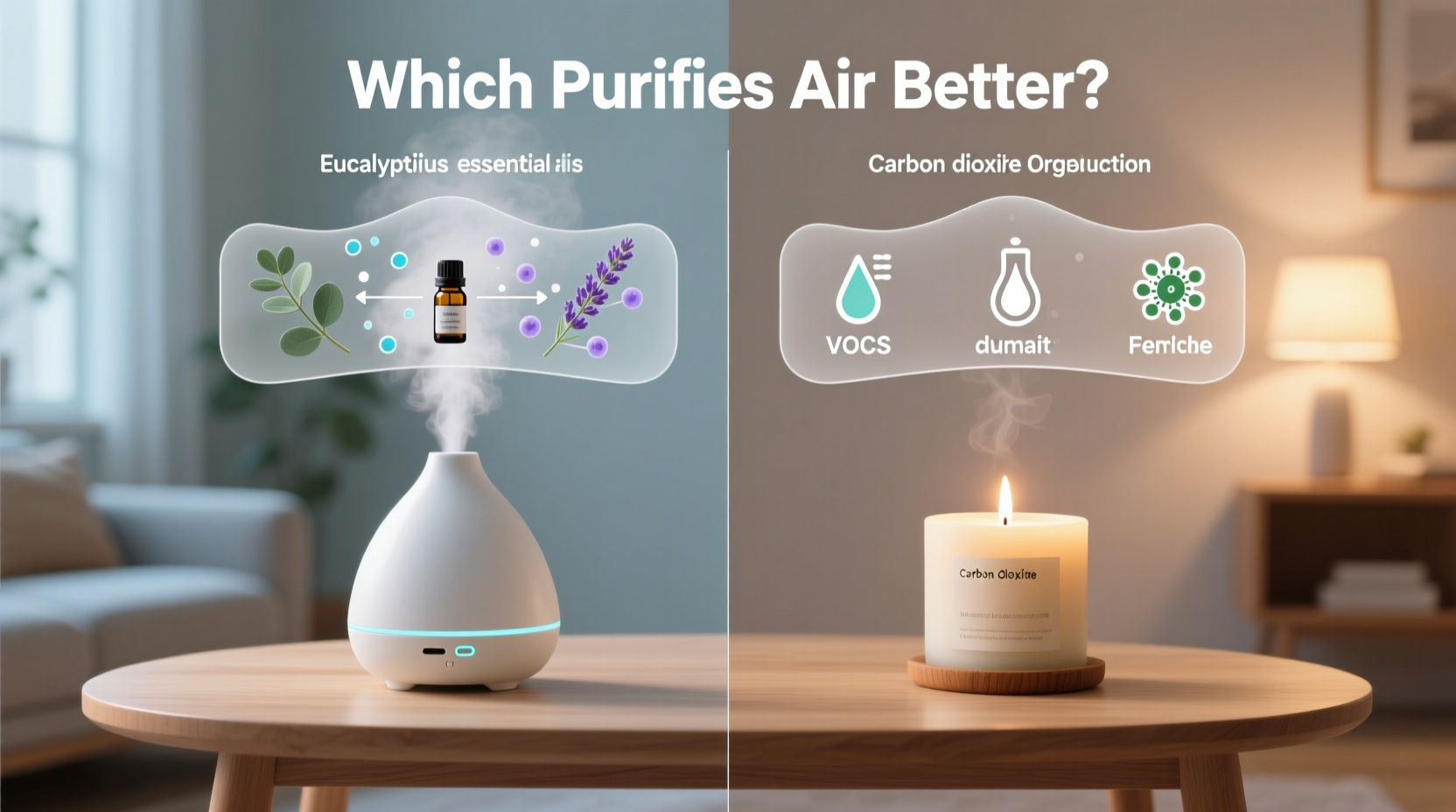
True air purification involves removing or neutralizing airborne contaminants such as bacteria, mold spores, allergens, volatile organic compounds (VOCs), and odors. It’s not simply about masking smells with perfume. Effective air-cleaning methods either filter particles (like HEPA filters), destroy pathogens (via UV light or oxidation), or release substances that actively interact with pollutants.
In the context of essential oil diffusers and candles, the focus shifts to whether their use contributes to microbial reduction, deodorization, or particle removal. While neither replaces a high-efficiency air purifier, certain essential oils have documented antimicrobial properties. The delivery method—diffusion versus combustion—plays a crucial role in both efficacy and safety.
“Some essential oils like tea tree, eucalyptus, and lavender exhibit measurable antibacterial and antifungal activity, but how you disperse them determines whether you’re cleansing the air or adding pollutants.” — Dr. Lena Peterson, Environmental Health Researcher at Boston Institute of Indoor Wellness
Mechanism of Action: Diffusers vs Candles
Essential Oil Diffusers work by dispersing microscopic oil particles into the air using ultrasonic vibration, nebulization, or heat. Ultrasonic diffusers are most common—they use water and high-frequency vibrations to create a cool mist infused with essential oils. This method preserves the chemical integrity of the oils and allows active compounds to remain airborne without combustion.
Scented Candles, particularly paraffin-based ones, rely on burning a wick to melt wax and release fragrance. The process produces soot, carbon dioxide, and potentially harmful VOCs like benzene and toluene. Even soy or beeswax candles emit some particulate matter upon combustion. While fragrance may create a perception of freshness, the burning process introduces new pollutants into the air.
Key Differences in Air Interaction
- Diffusers add moisture and bioactive compounds to the air without combustion.
- Candles produce flame-based emissions that can worsen indoor air quality, especially in small or poorly ventilated rooms.
- Only diffusers allow controlled dispersion of oils known for antimicrobial effects, such as eucalyptus citriodora or ravintsara.
Scientific Evidence: What Really Cleans the Air?
Several studies have explored the antimicrobial potential of essential oils when dispersed via diffusers. A 2020 study published in the Journal of Applied Microbiology found that diffused thyme and tea tree oils reduced airborne bacterial load by up to 80% in enclosed test chambers over four hours. Another study from the University of Manchester showed that eucalyptus oil vapor inhibited mold spore growth on surfaces, suggesting indirect air quality improvement.
In contrast, research on scented candles reveals consistent drawbacks. A 2019 EPA analysis found that burning paraffin candles released ultrafine particles comparable to those from diesel engines. These particles can penetrate deep into the lungs and exacerbate asthma and allergies. Even “natural” candles contribute to PM2.5 levels—the fine particulate matter linked to cardiovascular issues.
While some claim that beeswax candles \"clean\" the air through negative ion emission, this theory lacks robust scientific validation. A controlled experiment at the University of Texas found no significant increase in negative ions during beeswax candle burning, nor any measurable reduction in airborne allergens.
| Feature | Essential Oil Diffuser | Scented Candle |
|---|---|---|
| Combustion Involved | No | Yes |
| Particulate Emission | Negligible | High (especially paraffin) |
| Humidity Added | Yes (ultrasonic models) | No |
| Antimicrobial Potential | Proven with certain oils | None proven |
| VOC Release | Low (if pure oils used) | High (synthetic fragrances) |
| Safety Around Children/Pets | Generally safe | Risk of burns, fumes |
Real-World Example: Office Air Quality Improvement
Jessica, an office manager in Portland, noticed frequent complaints about stuffiness and seasonal illness among her team. She introduced daily diffusion of a blend containing lemon, rosemary, and tea tree oil in the main workspace using ultrasonic diffusers. Over eight weeks, absenteeism due to colds dropped by 35%, and employee surveys reported improved alertness and fewer headaches.
In contrast, when she previously tried using large jar candles for fragrance, maintenance staff noted black residue on ceiling vents—a sign of soot buildup. After switching fully to diffusers with regular cleaning protocols, indoor air tests showed a measurable decrease in airborne microbes and no rise in particulate levels.
This case illustrates how non-combustion delivery of biologically active oils can support cleaner air in shared environments, whereas candles may solve odor problems at the cost of introducing physical pollutants.
Best Practices for Using Each Method Safely and Effectively
If your goal is air purification, essential oil diffusers offer a superior foundation—but only when used correctly. Here’s a step-by-step guide to maximizing benefits while minimizing risks:
- Choose Therapeutic-Grade Oils: Use 100% pure essential oils without synthetic additives. Look for GC/MS testing reports from reputable brands.
- Select the Right Diffuser Type: Ultrasonic diffusers are ideal for daily use; nebulizers deliver stronger concentrations but should be used intermittently.
- Limit Diffusion Time: Run the diffuser for 30–60 minutes at a time, followed by equal off periods to prevent olfactory fatigue and overexposure.
- Use Antimicrobial Blends: Combine oils like eucalyptus, tea tree, and lemon, which have broad-spectrum activity against airborne microbes.
- Maintain the Device: Clean the water tank daily and deep-clean weekly to prevent mold and mineral buildup.
For candle users who prefer ambiance but want to reduce harm:
- Burn only 100% beeswax or organic soy candles with cotton or wood wicks.
- Never leave a candle unattended and limit burn time to 2–3 hours.
- Ensure room ventilation by opening a window slightly or using an exhaust fan.
- Avoid heavily fragranced candles—opt for lightly scented or unscented versions with essential oils instead of synthetic perfumes.
Frequently Asked Questions
Can essential oils really kill germs in the air?
Yes, certain essential oils—particularly tea tree, eucalyptus, cinnamon, and thyme—have demonstrated antimicrobial effects in laboratory settings when properly dispersed. However, real-world effectiveness depends on concentration, room size, airflow, and duration of exposure. They are supportive tools, not replacements for medical-grade disinfection.
Are there essential oils I should avoid in diffusers?
Some oils can irritate sensitive individuals or pets. Avoid diffusing pine, clove, or citrus oils around birds, as they are highly sensitive to airborne volatiles. Also, do not use photosensitizing oils like bergamot before sun exposure, even via diffusion. Always dilute properly and observe reactions.
Do candles make allergies worse?
Yes, especially paraffin-based candles. The soot and VOCs they emit can trigger or worsen allergic rhinitis, asthma, and other respiratory conditions. Soot particles act as carriers for allergens and settle on surfaces, contributing to long-term exposure. Switching to diffusers or eliminating open flames can significantly reduce allergy symptoms indoors.
Final Verdict: Which Is Better for Air Purification?
The evidence clearly favors essential oil diffusers over candles when the goal is genuine air purification. Diffusers introduce beneficial plant compounds into the air without generating harmful byproducts. When paired with oils proven to inhibit microbial growth, they offer a functional upgrade to ambient scenting. Candles, even those made from natural waxes, involve combustion—an inherently polluting process that counteracts any perceived freshness.
That said, candles excel in creating warmth, ritual, and visual appeal. For relaxation or ceremonial use, they hold unmatched value. But if improving indoor air quality is the priority, diffusers are the scientifically sound choice.
Action Checklist: Choosing Your Air-Care Strategy
- ☑ Assess your primary goal: ambiance or air quality?
- ☑ Replace paraffin candles with beeswax or skip them entirely.
- ☑ Invest in an ultrasonic diffuser with timer settings.
- ☑ Source pure, tested essential oils with known antimicrobial properties.
- ☑ Diffuse in cycles (e.g., 30 minutes on, 60 minutes off) for sustained effect.
- ☑ Monitor household members and pets for sensitivities.
- ☑ Combine with other air-quality practices: ventilation, dust control, and houseplants.
“Indoor air is often 2–5 times more polluted than outdoor air. Every choice—from cleaning products to fragrance devices—adds up. Opt for methods that clean rather than contaminate.” — Dr. Alan Reyes, Indoor Air Quality Specialist, CDC Environmental Health Division
Take Control of Your Indoor Environment
The choice between an essential oil diffuser and a candle isn’t just about preference—it’s a decision that impacts your health. While candles provide momentary charm, diffusers offer a smarter, cleaner way to enhance air quality using nature’s own defenses. By selecting high-quality oils and using diffusers responsibly, you can transform your home into a fresher, safer sanctuary.
Start today: swap out one scented candle for a diffuser trial week. Track how you feel—your energy, breathing, and sleep may reveal the difference. Share your experience with others seeking healthier homes, and lead by example in prioritizing clean air over fleeting fragrance.




 浙公网安备
33010002000092号
浙公网安备
33010002000092号 浙B2-20120091-4
Comments
No comments yet. Why don't you start the discussion?