
Creating a relaxing atmosphere at home often begins with scent. Whether winding down after a long day or setting a soothing mood for meditation, fragrance plays a powerful role in shaping our emotional and physical environment. Two of the most popular methods—essential oil diffusers and scented candles—each offer unique sensory experiences. But when it comes to safety, health impact, and long-term well-being, one may be a better choice than the other. Understanding their differences goes beyond preference; it's about making an informed decision that supports both relaxation and respiratory health.
How Scent Influences Mood and Environment
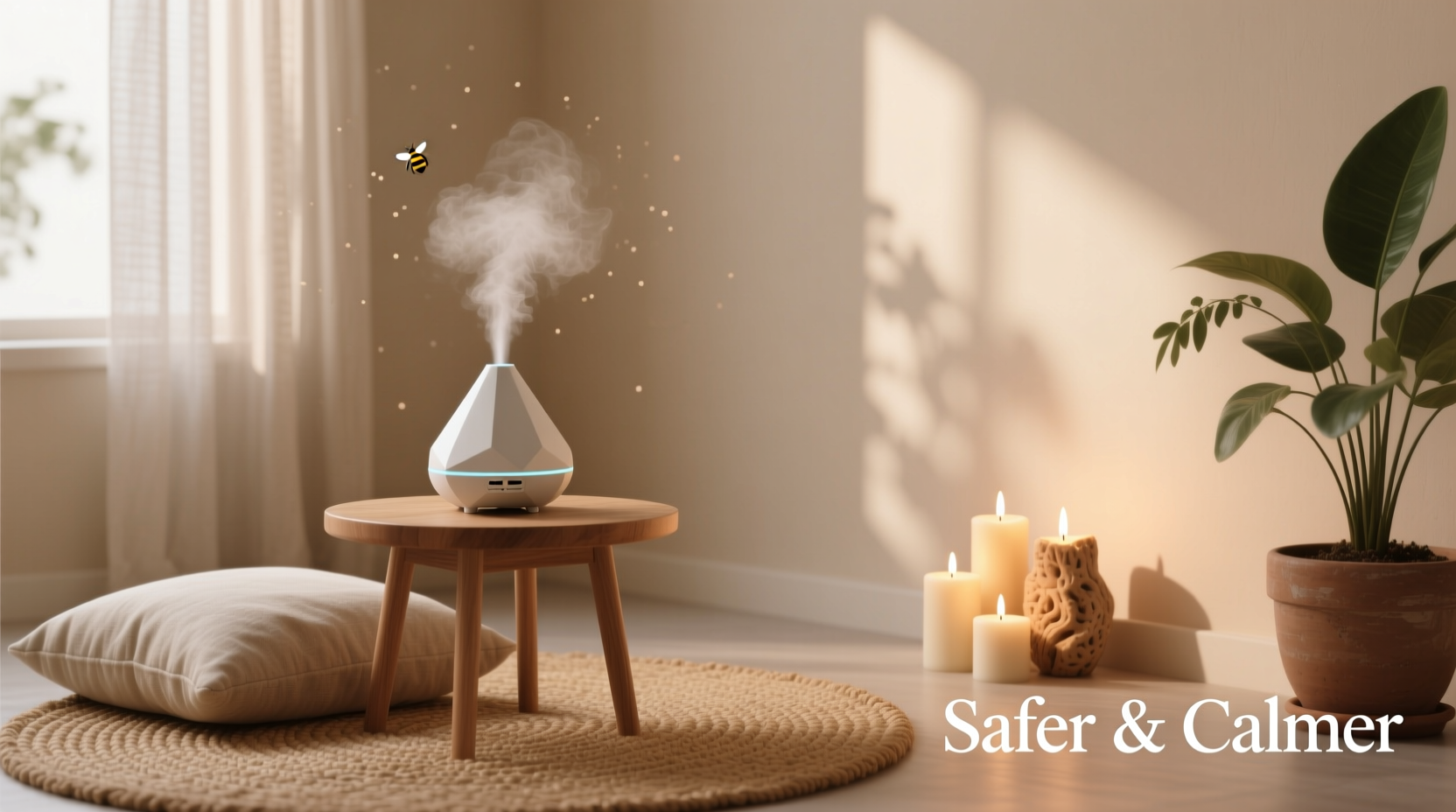
The olfactory system has a direct pathway to the brain’s limbic system, which governs emotions, memory, and arousal. This is why certain scents can instantly evoke calm, alertness, or nostalgia. Lavender may ease anxiety, citrus can uplift mood, and sandalwood might deepen focus. Both essential oil diffusers and scented candles deliver these benefits, but they do so through fundamentally different mechanisms—one using water and ultrasonic vibration, the other relying on open flame and wax combustion.
The method of dispersion affects not only the intensity and longevity of the aroma but also the byproducts introduced into your indoor air. While both are marketed as tools for wellness and ambiance, their safety profiles vary significantly—especially in homes with children, pets, or individuals with respiratory conditions like asthma.
Safety Considerations: Flame vs Flame-Free Operation
Scented candles require an open flame to melt wax and release fragrance. While this creates a warm, flickering glow that many find comforting, it also introduces fire risk. According to the National Fire Protection Association (NFPA), candles cause an estimated 7,600 home fires annually in the U.S., resulting in injuries, fatalities, and property damage. Most incidents occur when candles are left unattended, placed near flammable materials, or knocked over by pets or children.
In contrast, essential oil diffusers operate without flame. They use ultrasonic technology or nebulization to disperse essential oils into the air as a fine mist. This eliminates fire hazards entirely, making them a safer option for bedrooms, bathrooms, and shared living spaces. Diffusers can typically run on timers and shut off automatically when water levels are low, further reducing risk.
Combustion Byproducts: What You’re Actually Breathing
Beyond fire risk, scented candles produce airborne byproducts when burned. Paraffin wax—a petroleum-based material used in most commercial candles—releases volatile organic compounds (VOCs) such as benzene and toluene when heated. These are classified as carcinogens by the Environmental Protection Agency (EPA). Even candles made from soy or beeswax emit some particulate matter and VOCs during combustion, though generally at lower levels.
A study published in the Journal of Air & Waste Management Association found that prolonged candle burning can increase indoor concentrations of ultrafine particles, which are small enough to penetrate deep into the lungs and even enter the bloodstream. For individuals with asthma or allergies, this can trigger symptoms or worsen existing conditions.
Essential oil diffusers, on the other hand, do not combust. They release fragrance via cool mist, avoiding the production of soot, smoke, or harmful emissions. As long as high-quality, pure essential oils are used and the device is cleaned regularly, diffusers provide aromatic benefits without polluting indoor air.
Comparing Health Impacts and Air Quality
While both methods aim to improve ambiance, their impact on indoor air quality differs substantially. Candles contribute to what the EPA calls \"indoor air pollution,\" especially in poorly ventilated spaces. The black soot residue often seen on walls, ceilings, or vents near frequently burned candles is evidence of particulate accumulation.
Diffusers, while generally cleaner, are not without caveats. Overuse or improper dilution of essential oils can lead to respiratory irritation in sensitive individuals. Certain oils—such as eucalyptus, peppermint, or tea tree—contain compounds that may trigger coughing or bronchial constriction in people with asthma or young children. However, because users have precise control over oil concentration and diffusion duration, risks are easier to manage than with candles, where emission levels depend on burn time and wax composition.
“Indoor air quality is a critical yet overlooked component of holistic wellness. Non-combustion fragrance methods like diffusers offer a safer alternative, especially for vulnerable populations.” — Dr. Lena Patel, Environmental Health Specialist
Material Composition: Wax, Wicks, and Additives
Not all candles are created equal. Many mass-market scented candles contain synthetic fragrances, paraffin wax, and metal-core wicks (sometimes containing lead or zinc), all of which degrade air quality. Even “natural” labels can be misleading—some soy candles are blended with paraffin or loaded with phthalates, chemicals used to extend scent life that have been linked to endocrine disruption.
High-quality diffusers use only water and a few drops of essential oil. When sourced responsibly, essential oils are plant-derived and free from synthetic additives. However, the market is flooded with adulterated or diluted oils. To ensure purity, look for third-party tested oils labeled with botanical names (e.g., *Lavandula angustifolia*) and packaged in dark glass bottles.
Practical Comparison: Diffusers vs Candles
| Feature | Essential Oil Diffuser | Scented Candle |
|---|---|---|
| Fire Risk | None | High (open flame) |
| Air Quality Impact | Low (no combustion) | High (soot, VOCs, particulates) |
| Lifespan of Use | Months to years (device) | Single-use (burns down) |
| Fragrance Control | Precise (drops, timer, mist intensity) | Limited (burn rate, wax pool) |
| Maintenance | Regular cleaning required | Wick trimming, debris removal |
| Cost Over Time | Moderate (device + oils) | High (frequent replacement) |
| Child/Pet Safety | High (if out of reach) | Low (burn hazard, ingestion risk) |
Choosing Based on Lifestyle and Needs
The ideal choice depends on individual priorities. If ambiance and ritual are central—such as enhancing evening relaxation with soft lighting—candles may hold emotional value. However, if health, safety, and air purity are top concerns, especially in homes with kids, pets, or chronic respiratory issues, diffusers are the superior option.
For those who enjoy the aesthetic of candlelight, consider pairing LED flameless candles with an essential oil diffuser. This combination delivers both visual warmth and therapeutic scent without compromising safety.
Mini Case Study: A Family’s Shift to Safer Scenting
The Thompson family had long used scented candles in their living room and master bedroom. Their twin toddlers began experiencing frequent nighttime coughing, and their cat developed sneezing fits. After consulting an allergist, they discovered that indoor air pollutants—including candle soot and fragrance chemicals—were likely aggravating their conditions.
They replaced all candles with ultrasonic diffusers, using lavender and chamomile blends in the evenings. Within three weeks, the children’s breathing improved, and the cat’s symptoms subsided. The parents admitted missing the flicker of flame but appreciated waking up without dry throats or stuffy noses. They now use dimmable salt lamps to replicate the cozy glow once provided by candles.
Step-by-Step Guide to Transitioning Safely
If you're considering switching from candles to diffusers—or simply want to use both more safely—follow this practical timeline:
- Week 1: Audit Your Current Products
Check labels on all candles and oils. Discard any with paraffin wax, synthetic fragrances, or unknown ingredients. - Week 2: Invest in a Quality Diffuser
Choose a model with adjustable mist settings, automatic shutoff, and quiet operation. Look for BPA-free plastic or ceramic construction. - Week 3: Source Pure Essential Oils
Purchase from reputable brands that provide GC/MS (gas chromatography/mass spectrometry) test results for transparency. - Week 4: Establish a Routine
Diffuse for 30–60 minutes at a time, 2–3 times daily. Clean the reservoir weekly with vinegar or mild soap to prevent mold. - Ongoing: Monitor Reactions
Observe how household members and pets respond. Discontinue any oil that causes headaches, dizziness, or irritation.
FAQ: Common Questions Answered
Can essential oil diffusers humidify a room?
Ultrasonic diffusers add minimal moisture to the air—enough to feel slightly soothing in dry environments, but not sufficient to replace a dedicated humidifier. Their primary function is aromatic dispersion, not humidity control.
Are soy candles safe to burn indoors?
Soy candles are generally safer than paraffin, producing less soot and fewer toxins. However, they still involve combustion and release fine particles. Wick type, fragrance additives, and burn duration affect safety. For cleanest air, flameless options remain preferable.
Which essential oils are safest for children and pets?
Lavender, chamomile, and frankincense are typically well-tolerated when properly diluted. Avoid oils high in phenols (like oregano) or ketones (like sage) around young children and animals. Always diffuse in well-ventilated areas and never allow direct inhalation from the device.
Final Recommendations and Best Practices
When comparing essential oil diffusers and scented candles, the balance tips decisively toward diffusers for creating a safer, healthier relaxing atmosphere. They eliminate fire hazards, reduce indoor air pollution, and offer greater control over scent intensity and duration. While candles provide undeniable charm, their risks—especially in homes with vulnerable occupants—often outweigh their benefits.
To maximize safety and effectiveness:
- Use diffusers in cycles (30–60 minutes on, 30+ minutes off) to prevent olfactory fatigue.
- Keep diffusers away from electronics and wooden surfaces to avoid moisture damage.
- If using candles, opt for 100% beeswax or soy with cotton wicks, burn in open areas, and limit use to short durations.
- Ventilate rooms regularly, regardless of scenting method.
Conclusion: Prioritize Wellness Without Sacrificing Comfort
Relaxation should never come at the cost of health. Choosing between an essential oil diffuser and scented candles isn’t just about preference—it’s a decision that impacts air quality, safety, and long-term well-being. By shifting toward flame-free, non-combustible scenting methods, you create a space that nurtures both mind and body. Whether you phase out candles gradually or make a full switch, each step toward cleaner fragrance is a step toward a truly tranquil home.




 浙公网安备
33010002000092号
浙公网安备
33010002000092号 浙B2-20120091-4
Comments
No comments yet. Why don't you start the discussion?