
Cats are beloved members of millions of households, and pet owners often strive to create clean, calming, and pleasant-smelling homes. In pursuit of wellness and natural living, many turn to essential oils—lavender for relaxation, eucalyptus for respiratory support, citrus for cleaning. While these oils may offer benefits for humans, they pose serious risks to feline companions. Understanding why essential oils are harmful to cats—and what safer alternatives exist—is critical for responsible pet care.
Their unique biology makes cats exceptionally vulnerable to certain chemicals found in essential oils. Unlike humans or even dogs, cats lack specific liver enzymes needed to metabolize many of the compounds in these concentrated plant extracts. When exposed, even in small amounts, cats can suffer from acute toxicity that leads to respiratory distress, liver damage, or neurological issues. This article explores the science behind this sensitivity, outlines common dangers, and provides practical, cat-safe solutions for aromatherapy and household care.
Why Cats Are Especially Sensitive to Essential Oils
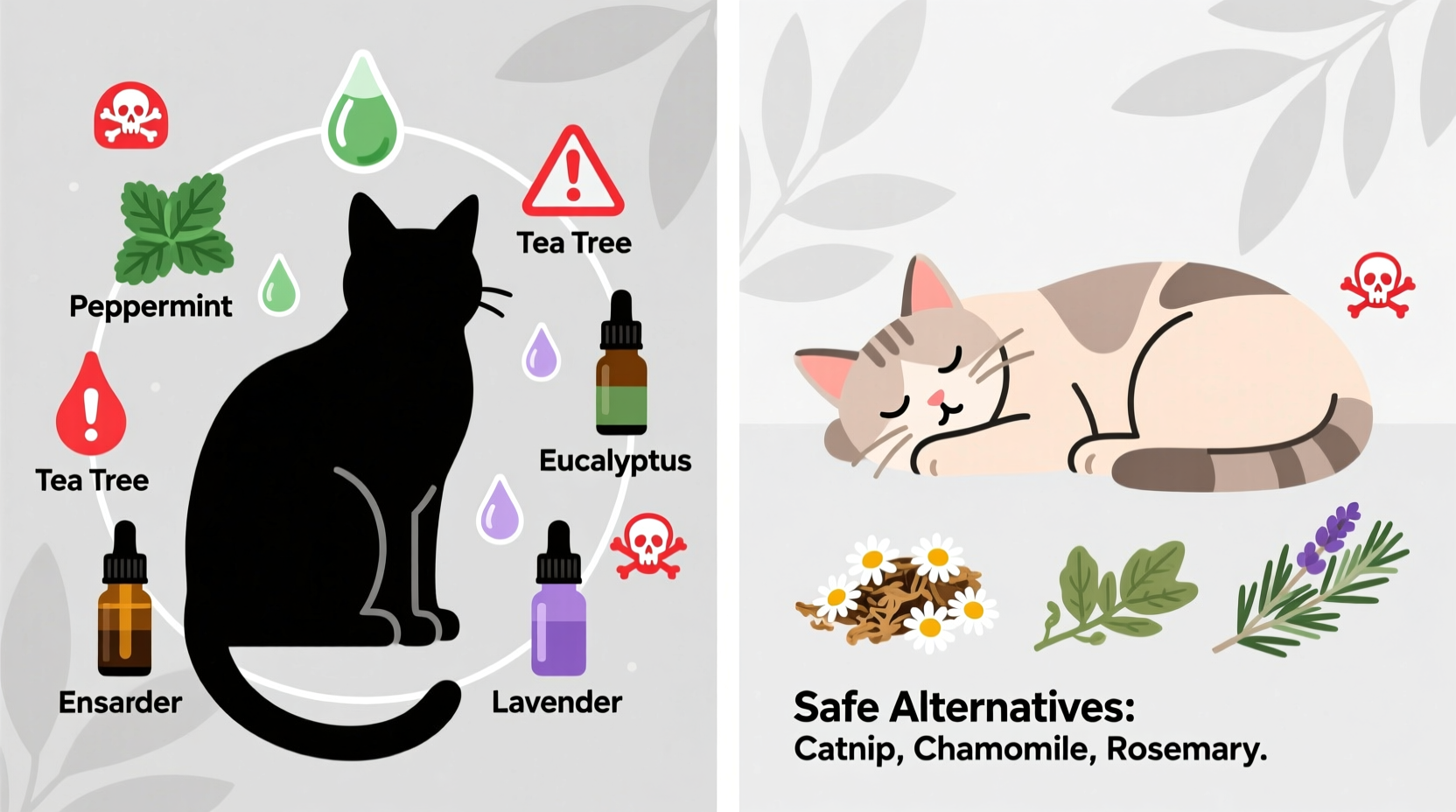
Cats process toxins differently than other mammals. A key reason lies in their hepatic (liver) metabolism. They have low levels of glucuronyl transferase, an enzyme responsible for breaking down phenolic compounds—common in essential oils like tea tree, peppermint, and wintergreen. Without sufficient enzyme activity, these substances accumulate in the body, leading to toxic effects.
Inhalation, skin contact, and accidental ingestion are all potential exposure routes. Diffusing oils in the air may seem harmless, but microscopic oil particles can settle on a cat’s fur. During grooming, the cat ingests the oil, introducing it directly into the system. Even topical application of diluted oils or using oil-based cleaning products on surfaces cats frequent can result in poisoning.
“Cats are exquisitely sensitive to many essential oils due to their unique metabolic pathways. What’s therapeutic for humans can be fatal for them.” — Dr. Susan Little, DVM, Diplomate ACVIM (Feline Medicine)
Common Essential Oils That Are Toxic to Cats
Not all essential oils carry the same level of risk, but many commonly used ones are dangerous. The following table lists some of the most hazardous oils and their associated symptoms:
| Essential Oil | Potential Effects on Cats | Common Sources |
|---|---|---|
| Tea Tree (Melaleuca) | Vomiting, ataxia, weakness, liver damage | Skin treatments, shampoos, DIY cleaners |
| Peppermint | Respiratory distress, tremors, lethargy | Air fresheners, vapor rubs, cleaning sprays |
| Eucalyptus | Drooling, coughing, depression, aspiration pneumonia | Diffusers, steam inhalants, disinfectants |
| Citrus (Lemon, Orange, Lime) | Skin irritation, photosensitivity, vomiting | Cleaners, deodorizers, mood-enhancing diffusers |
| Cinnamon | Mouth sores, low blood sugar, liver failure | Spice-scented candles, potpourri, DIY blends |
| Ylang Ylang | Vomiting, seizures, cardiac abnormalities | Perfumes, relaxation blends |
Even oils marketed as “safe” or “natural” can be harmful when used around cats. There is no clinically approved essential oil regimen for routine use in felines. Veterinary organizations, including the ASPCA and the American Veterinary Medical Association (AVMA), strongly advise against using essential oils in homes with cats unless under direct veterinary supervision.
Recognizing Signs of Essential Oil Poisoning
Early detection can save a cat’s life. Symptoms of essential oil toxicity vary depending on the oil and exposure method but typically appear within hours. Watch for:
- Drooling or foaming at the mouth
- Vomiting or diarrhea
- Tremors or muscle twitching
- Lethargy or difficulty walking (ataxia)
- Labored breathing or coughing
- Pawing at the face or mouth
- Skin redness or irritation (especially with topical exposure)
If you suspect your cat has been exposed to essential oils, act immediately. Remove the cat from the source, gently wipe any oil from their fur with mild soap and water (avoid getting into eyes or mouth), and contact your veterinarian or an animal poison control center such as the ASPCA Animal Poison Control (888-426-4435).
Safe Alternatives to Essential Oils for Cat-Friendly Homes
You don’t need essential oils to maintain a clean, calming environment. Several non-toxic, effective alternatives exist that won’t put your cat at risk.
1. Natural Air Purification
Instead of using diffusers, improve indoor air quality with houseplants known to filter air safely, such as spider plants, Boston ferns, or Areca palms. Open windows regularly to allow fresh air circulation.
2. Baking Soda and Vinegar Cleaners
These pantry staples make excellent, non-toxic cleaning agents. Use baking soda to deodorize carpets and litter boxes. Mix vinegar with water for glass and surface cleaning. Always rinse thoroughly and let surfaces dry completely before allowing cats access.
3. Cat-Safe Herbs
Grow catnip, valerian root, or silver vine in pots. These herbs provide enrichment and relaxation for cats without the risks of concentrated oils. Many cats respond positively to these plants with playful or calming behavior.
4. HEPA Air Purifiers
For odor and allergen control, use a HEPA-filter air purifier. These devices remove airborne particles, dander, and odors mechanically rather than masking them with fragrance.
5. Unscented, Pet-Safe Cleaning Products
Choose cleaning brands specifically labeled as pet-safe and free of volatile organic compounds (VOCs). Seventh Generation Free & Clear, Ecover Zero, and Puracy are examples of fragrance-free, plant-based options.
“Creating a peaceful home doesn’t require essential oils. Simpler, safer methods exist that protect both your well-being and your cat’s.” — Dr. Elizabeth Colleran, Veterinarian and Past President of the American Association of Feline Practitioners
Step-by-Step Guide to Making Your Home Safer
Transitioning to a cat-safe environment doesn’t have to be overwhelming. Follow this timeline to reduce risks gradually:
- Week 1: Audit your home for products containing essential oils—cleaners, candles, diffusers, lotions, and laundry supplies. Note where they’re used.
- Week 2: Replace high-risk items with cat-safe alternatives. Store remaining essential oil products in sealed cabinets out of pet reach.
- Week 3: Install an air purifier in main living areas and introduce cat-safe plants for natural air filtration.
- Week 4: Educate household members about the dangers of essential oils and establish rules—e.g., no diffusing when the cat is present.
- Ongoing: Re-evaluate new products before bringing them into your home. Read labels carefully for hidden essential oils or fragrance components.
Mini Case Study: A Close Call with Tea Tree Oil
Sarah, a holistic wellness advocate, began using a homemade cleaning spray with 10 drops of tea tree oil per cup of water. She sprayed it daily on her kitchen counters and floors. Within days, her 3-year-old cat, Milo, became increasingly lethargic. He began drooling excessively and had trouble walking. Alarmed, Sarah rushed him to the vet. Blood tests revealed elevated liver enzymes consistent with toxin exposure. After learning about the cleaner, the veterinarian diagnosed tea tree oil toxicity. Milo required 48 hours of IV fluids and supportive care but eventually recovered. Sarah switched to vinegar-based cleaners and now advocates for greater awareness of household chemical risks.
Frequently Asked Questions
Can I ever use essential oils if I have a cat?
It’s safest to avoid them entirely. If you must use them, do so in a well-ventilated area your cat cannot enter, never diffuse continuously, and never apply oils to your cat. Consult your vet first.
Are “fragrance-free” products safe for cats?
Generally, yes. Fragrance-free products are less likely to contain essential oils or synthetic scents. However, always check the ingredient list for hidden terms like “aroma,” “essential oil blend,” or botanical names.
What should I do if my cat licks an essential oil?
Do not induce vomiting. Wipe the mouth with a damp cloth, prevent further grooming, and contact your veterinarian or poison control immediately. Bring the product packaging with you.
Final Checklist for Cat-Safe Living
- ✅ Remove or securely store all essential oils and diffusers
- ✅ Switch to unscented, pet-safe cleaning products
- ✅ Use HEPA air purifiers instead of scented air fresheners
- ✅ Introduce cat-safe herbs like catnip for enrichment
- ✅ Educate family members about feline toxicity risks
- ✅ Keep emergency vet and poison control numbers accessible
Conclusion
Your commitment to a natural, healthy lifestyle shouldn’t come at the expense of your cat’s safety. Essential oils, while popular, are incompatible with feline physiology and can lead to severe health consequences—even death. By understanding the risks and embracing safer alternatives, you create a home that nurtures both you and your pet. Small changes in cleaning routines, air quality management, and product choices can make a profound difference. Protect your cat’s well-being by choosing simplicity over scent, and safety over trends.




 浙公网安备
33010002000092号
浙公网安备
33010002000092号 浙B2-20120091-4
Comments
No comments yet. Why don't you start the discussion?