
Stress is an almost universal experience in modern life, and many people turn to natural remedies like essential oils to regain calm. Among the most popular tools are essential oil diffusers and sprays. While both deliver aromatic compounds known for their calming effects—such as linalool in lavender or limonene in citrus—the way they deliver those benefits differs significantly. One key question often arises: which method works faster for reducing stress?
The answer isn’t simply one or the other—it depends on your goals, environment, and physiology. Understanding how each method functions, how quickly the active compounds enter your system, and what kind of relief you’re seeking can help you make a smarter, more effective choice.
How Essential Oils Affect Stress Response
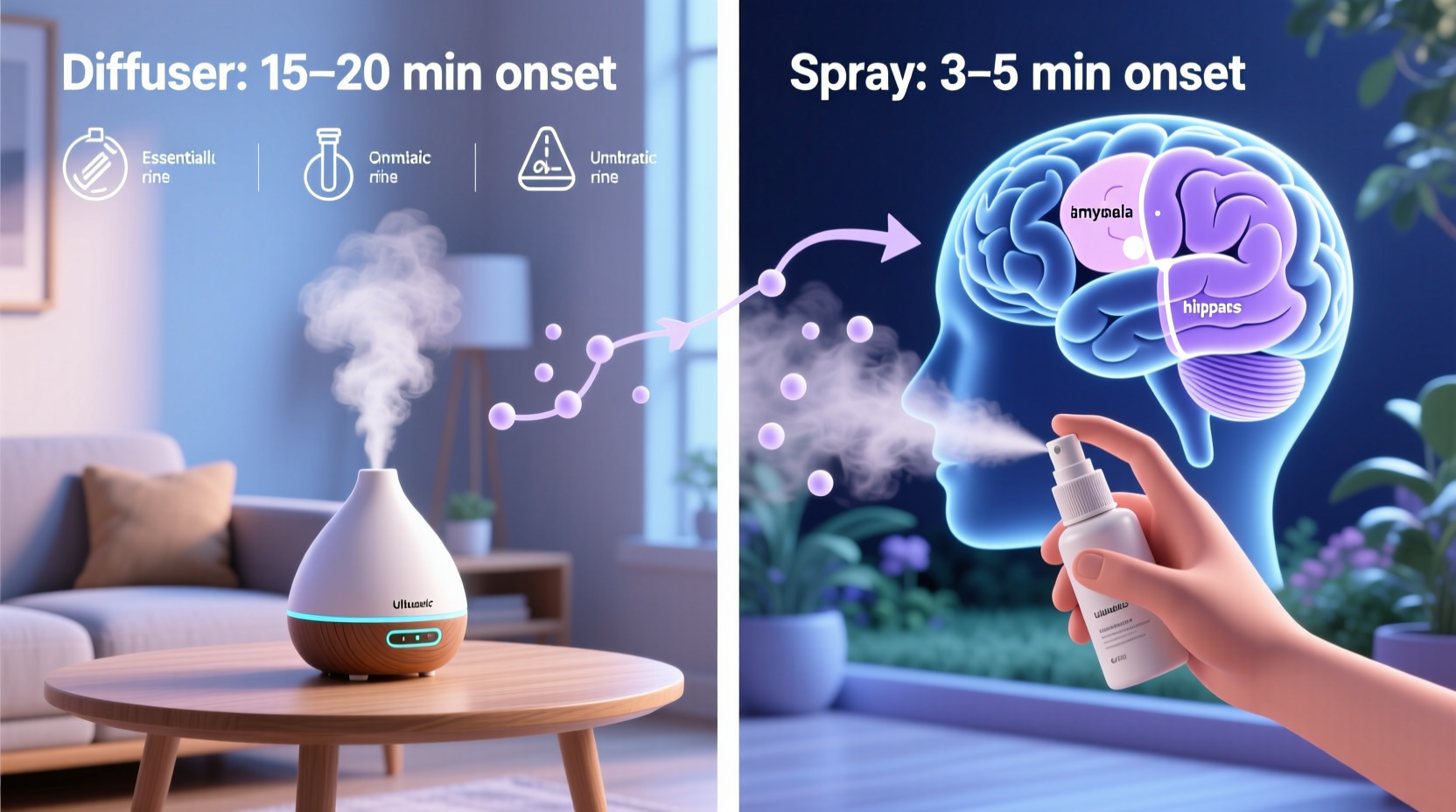
Essential oils influence mood and stress through the olfactory system. When inhaled, volatile aromatic molecules travel through the nasal passages to the olfactory bulb, which sends signals directly to the limbic system—the brain’s emotional control center. This includes the amygdala and hippocampus, areas responsible for regulating fear, anxiety, and memory.
Certain oils have been studied for their anxiolytic (anxiety-reducing) properties. For example:
- Lavender (Lavandula angustifolia): Shown in clinical trials to reduce cortisol levels and subjective stress.
- Bergamot (Citrus bergamia): Demonstrates calming effects without sedation, ideal for daytime use.
- Frankincense (Boswellia carterii): Used traditionally in meditation for grounding and emotional balance.
- Ylang Ylang (Cananga odorata): May lower heart rate and blood pressure during acute stress.
These effects begin within seconds of inhalation, but the speed and duration depend heavily on delivery method—diffuser or spray.
Diffusers: Sustained Release with Gradual Onset
A diffuser disperses essential oils into the air using water and ultrasonic vibrations (in nebulizing or evaporative models). The result is a fine mist that fills a room over time, creating a continuous aromatic environment.
Benefits of diffusers include:
- Long-lasting ambient scent (typically 30 minutes to several hours).
- Ideal for background stress management during work, sleep, or relaxation.
- Safe for prolonged exposure when used properly.
- Passive delivery—no effort required from the user.
However, the onset of action is slower. Because the oil particles are diluted and dispersed gradually, it may take 10–20 minutes before noticeable psychological effects occur. This makes diffusers excellent for ongoing stress modulation but less effective for immediate relief during acute anxiety episodes.
“Diffusion creates a therapeutic atmosphere, but it’s more about cumulative exposure than instant impact.” — Dr. Rebecca Nguyen, Integrative Aromatherapist
Sprays: Immediate Impact Through Direct Inhalation
Essential oil sprays deliver a concentrated burst of fragrance directly into the breathing space. These are typically alcohol- or water-based solutions with 5–15 drops of essential oil per ounce, designed to be misted into the air or onto clothing, pillows, or hands (if skin-safe).
The advantage? Speed. A single spray releases a high concentration of volatile compounds that reach the olfactory system almost instantly. Within 15–30 seconds, users often report a shift in mood, reduced tension, or deeper breathing.
This rapid effect is particularly useful in high-stress moments—before a presentation, after an argument, or during panic symptoms. Unlike diffusers, sprays offer on-demand intervention with minimal setup.
That said, the effects are shorter-lived, usually lasting 10–20 minutes unless reapplied. Overuse can lead to olfactory fatigue (nose blindness), where the brain stops registering the scent.
Mini Case Study: Office Worker Managing Midday Anxiety
Jessica, a 34-year-old project manager, experiences frequent spikes in stress during afternoon meetings. She experimented with both methods. Using a diffuser at her desk provided subtle background calm but didn’t prevent acute tension. When she switched to a personal roll-on and linen spray with lavender and bergamot, she noticed immediate relief by spraying her neck scarf before stressful calls. Within two weeks, her self-reported anxiety scores dropped by 40%, according to her wellness journal.
Her experience reflects a broader trend: sprays excel in targeted, momentary interventions, while diffusers support general mood stabilization.
Comparing Speed, Duration, and Practicality
| Feature | Diffuser | Spray |
|---|---|---|
| Onset of Action | 10–20 minutes | 15–30 seconds |
| Duration of Effect | 30 min – 4 hours | 10–20 minutes |
| Portability | Low (requires power, water) | High (travel-friendly) |
| Best For | Room-wide ambiance, sleep, long sessions | Acute stress, quick resets, on-the-go use |
| Maintenance | Regular cleaning needed | Minimal upkeep |
| Risk of Overexposure | Moderate (with prolonged use) | Low (when used occasionally) |
This comparison shows that sprays win in speed, while diffusers provide longer-term environmental support. For optimal results, many practitioners recommend combining both.
Step-by-Step Guide: Choosing the Right Method for Your Needs
Follow this decision framework to determine which method—or combination—is best for your stress reduction goals.
- Assess your stress pattern: Is it chronic background tension or sudden acute episodes? Chronic stress favors diffusers; acute flare-ups respond better to sprays.
- Evaluate your environment: Do you have access to outlets and space for a diffuser? If not, a spray is more practical.
- Consider timing: Need relief now? Reach for a spray. Preparing for wind-down later? Start diffusing 30 minutes in advance.
- Test sensitivity: Some people react strongly to concentrated sprays. Dilute further or use in well-ventilated areas.
- Combine strategically: Use a diffuser in your bedroom at night and keep a personal spray in your bag for emergencies.
Expert-Recommended Blends for Fast Stress Relief
Not all essential oil blends are equally effective. Research and clinical practice suggest certain combinations work faster due to synergistic effects.
Here are three fast-acting formulas:
- Calm Now Spray: 6 drops lavender, 4 drops bergamot, 2 drops frankincense in 1 oz distilled water + 1 tsp witch hazel.
- Focus Reset Mist: 5 drops rosemary, 5 drops sweet orange, 2 drops peppermint—invigorating yet balancing.
- Nightfall Diffuser Blend: 4 drops clary sage, 4 drops cedarwood, 2 drops vetiver for deep relaxation.
Always dilute properly. Never apply undiluted oils directly to skin unless formulated for topical use.
Checklist: Optimizing Your Aromatherapy Routine
Use this checklist to ensure you're getting the most from your essential oils:
- ✅ Identify your primary stress triggers (work, social, insomnia).
- ✅ Choose delivery method based on speed needs (spray for fast, diffuser for slow).
- ✅ Use high-quality, pure essential oils (look for GC/MS test reports).
- ✅ Clean diffusers weekly to prevent mold and residue buildup.
- ✅ Store sprays away from sunlight and heat to preserve potency.
- ✅ Limit diffusion to 30–60 minutes at a time with breaks.
- ✅ Keep a personal spray in your purse, car, or desk drawer.
- ✅ Rotate blends every few weeks to avoid olfactory adaptation.
Frequently Asked Questions
Can I use essential oil sprays directly on my skin?
Only if they are properly diluted (1–2% concentration) and made with skin-safe carriers like fractionated coconut oil or witch hazel. Avoid spraying undiluted oils or using phototoxic oils (like lemon or grapefruit) on exposed skin before sun exposure.
Are diffusers safe for pets?
Some essential oils are toxic to pets, especially cats and birds. Avoid diffusing tea tree, eucalyptus, citrus, or pine around animals. Always consult a veterinarian before using aromatherapy in pet-inhabited homes.
Why don’t I feel anything after using a diffuser?
Olfactory fatigue may be the cause—you’ve stopped noticing the scent. Try taking breaks between sessions, changing blends, or switching to direct inhalation methods like sprays or personal inhalers for stronger neurological feedback.
Conclusion: Match the Method to the Moment
When it comes to stress reduction, speed matters—but so does sustainability. Essential oil sprays deliver the fastest relief, making them ideal for acute anxiety, sudden overwhelm, or mental resets throughout the day. Diffusers, while slower to act, create a sustained calming environment perfect for winding down, improving sleep, or maintaining low-level emotional balance.
The most effective approach isn't choosing one over the other—it's using both strategically. Keep a linen spray with lavender and bergamot in your workspace for instant de-escalation. Run a diffuser with grounding woods in the evening to support recovery. By aligning your method with your moment, you harness the full potential of aromatherapy.




 浙公网安备
33010002000092号
浙公网安备
33010002000092号 浙B2-20120091-4
Comments
No comments yet. Why don't you start the discussion?