
Essential oils have gained widespread popularity for their natural healing properties, calming aromas, and household uses. Many pet owners use them to freshen the air, reduce stress, or support wellness at home. However, what’s therapeutic for humans can be dangerous—even deadly—for dogs and cats. Due to their unique physiology, particularly their liver metabolism and heightened sense of smell, pets are far more sensitive to essential oil compounds. Understanding which oils are safe—and which must be avoided—is crucial for responsible pet care.
Why Essential Oils Can Be Dangerous for Pets
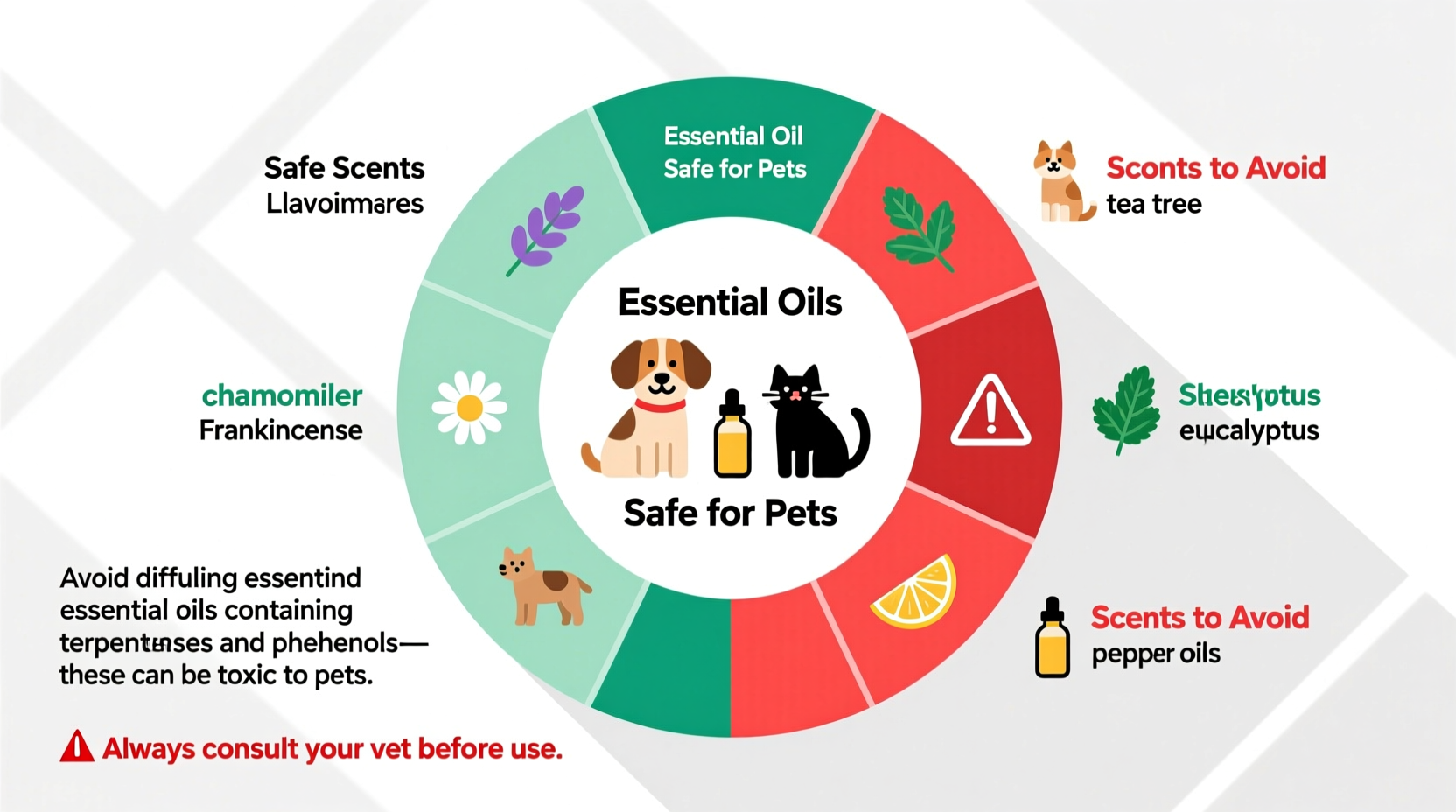
Dogs and cats metabolize chemicals differently than humans. Cats, in particular, lack certain liver enzymes—such as glucuronyl transferase—that are necessary to break down phenols and terpenes, common components in many essential oils. This makes them extremely vulnerable to toxicity. Even small amounts inhaled or absorbed through the skin can lead to serious health issues.
Dogs, while slightly more resilient, also face risks. Their olfactory systems are up to 100,000 times more sensitive than humans’, meaning concentrated scents can overwhelm their senses and cause respiratory distress or neurological symptoms. Additionally, pets often groom themselves, increasing the risk of ingesting oils that settle on their fur.
“Many essential oils contain compounds that are hepatotoxic or neurotoxic to animals. The margin of safety is narrow, especially with continuous exposure via diffusion.” — Dr. Jennifer Freeman, DVM, Pet Health Expert
Oils That Are Safe (With Caution)
While most essential oils should be used sparingly—if at all—around pets, a few may be considered lower risk when properly diluted and used in well-ventilated areas. These should never be applied directly to pets or used in high concentrations.
- Lavender (Lavandula angustifolia): Known for its calming effects, true lavender is one of the safest options when highly diluted (less than 1% concentration) and used briefly. Avoid frequent or prolonged diffusion.
- Chamomile (Roman or German): Has mild sedative properties. Use only in minimal amounts and ensure the pet can leave the room if needed.
- Frankincense: Generally regarded as low-risk when diffused occasionally and in a large, ventilated space.
Oils to Avoid Diffusing Around Dogs and Cats
Some essential oils are highly toxic and should never be used in homes with pets. Inhalation, dermal contact, or accidental ingestion can result in vomiting, tremors, liver failure, or even death.
| Toxic Oil | Risk Level | Common Symptoms |
|---|---|---|
| Tea Tree (Melaleuca) | High (especially for cats) | Vomiting, lethargy, tremors, ataxia |
| Eucalyptus | Very High | Drooling, coughing, difficulty breathing |
| Peppermint | High | Respiratory distress, gastrointestinal upset |
| Cinnamon | Very High | Mouth sores, liver damage, low blood sugar |
| Citrus (lemon, orange, bergamot) | Moderate to High | Photosensitivity, vomiting, depression |
| Pine | High | Liver damage, nervous system depression |
| Ylang Ylang | High | Vomiting, seizures, heart abnormalities |
| Wintergreen | Extreme | Salicylate poisoning (similar to aspirin overdose) |
The danger isn’t limited to direct application. Passive diffusion disperses microscopic oil particles into the air, which pets inhale continuously. Because they breathe close to the ground where heavier oil vapors settle, exposure levels can be higher than expected.
Real-Life Example: A Close Call with Tea Tree Oil
Sarah, a dog owner from Colorado, began using a diffuser with tea tree and eucalyptus oil to manage seasonal allergies. Within two days, her 3-year-old golden retriever, Max, became unusually lethargic and started drooling excessively. She rushed him to the vet, where blood tests revealed elevated liver enzymes. The veterinarian identified essential oil toxicity as the likely cause. After three days of supportive care, Max recovered—but Sarah removed all essential oils from her home.
This case highlights how quickly problems can arise, even without direct contact. The oils were never applied to Max’s skin, but the diffused vapors were enough to trigger a toxic reaction.
Safe Practices When Using Essential Oils in Pet-Friendly Homes
If you’re committed to using essential oils, it’s possible to do so responsibly—but only with strict precautions. The key is minimizing exposure and prioritizing your pet’s well-being over ambiance.
- Diffuse only in pet-free rooms: Never run a diffuser in a room your pet cannot exit. Ideally, use oils in a separate part of the house.
- Limit diffusion time: Keep sessions under 30 minutes and allow several hours between uses.
- Ensure strong ventilation: Open windows or use fans to disperse vapors quickly.
- Avoid topical use: Do not apply essential oils to your pet’s fur, skin, or collar unless directed by a licensed veterinary professional.
- Store oils securely: Keep bottles tightly closed and out of reach. Spills or leaks can be hazardous.
- Watch for signs of distress: Coughing, sneezing, pacing, drooling, or hiding may indicate discomfort.
Checklist: Pet-Safe Essential Oil Use
- ✅ Confirm the oil is non-toxic to pets (refer to ASPCA or veterinary databases)
- ✅ Use only in a room pets can avoid
- ✅ Limit diffusion to 15–30 minutes
- ✅ Ensure the space is well-ventilated
- ✅ Observe your pet for adverse reactions
- ✅ Store oils in child-proof, pet-proof cabinets
- ❌ Never apply oils directly to pets
- ❌ Avoid blends labeled “purifying,” “immune boost,” or “energy” – these often contain multiple toxic oils
What to Do If Your Pet Is Exposed
If you suspect your pet has been exposed to a toxic essential oil—whether through inhalation, skin contact, or ingestion—act quickly.
- Remove the source: Turn off the diffuser, open windows, and move your pet to fresh air.
- Check for symptoms: Look for signs like difficulty breathing, vomiting, wobbling, excessive drooling, or pawing at the mouth.
- Contact a poison control center: In the U.S., call the ASPCA Animal Poison Control Center at (888) 426-4435 or the Pet Poison Helpline at (855) 764-7661. There may be a consultation fee, but it’s worth it.
- Do not induce vomiting unless instructed: Some oils can cause more harm if vomited.
- Have the oil bottle ready: Provide the exact name, ingredients, and concentration to the vet or helpline.
Immediate intervention greatly improves outcomes. Delaying treatment can lead to irreversible organ damage, especially in cats.
Alternatives to Essential Oil Diffusers
You don’t need essential oils to create a pleasant-smelling home. Safer, pet-friendly options include:
- Baking soda boxes to absorb odors
- Fresh indoor plants (non-toxic varieties like spider plants or Boston ferns)
- Natural beeswax candles (free of synthetic fragrances)
- Regular cleaning with vinegar and water (avoid using near litter boxes as cats dislike the smell)
- Air purifiers with HEPA filters to reduce allergens and odors
These methods effectively improve indoor air quality without introducing volatile organic compounds that could harm your pet.
Frequently Asked Questions
Can I use a diffuser if my cat stays in another room?
It depends. If the rooms are completely separated with no airflow between them and your cat has no access, short-term use *might* be acceptable. However, oil particles can travel through vents and under doors. For cats, who are especially sensitive, it’s safest to avoid diffusers entirely.
Are “pet-safe” essential oil blends really safe?
Be cautious. The term “pet-safe” is not regulated. Many commercial blends still contain diluted versions of toxic oils. Always check individual ingredients against veterinary-approved lists. When in doubt, skip it.
Is it okay to wear essential oils if I have pets?
It can be risky. Oils on your skin or clothes can transfer to your pet during cuddling or grooming. Avoid applying oils to your wrists, neck, or clothing if you frequently interact with your pets, especially cats who groom nearby surfaces.
Final Thoughts and Recommendations
The appeal of essential oils is understandable—they offer natural solutions for stress, cleaning, and wellness. But when pets are part of the household, safety must come first. The risks of using essential oils around dogs and cats often outweigh the benefits, especially given the availability of safer alternatives.
When in doubt, err on the side of caution. If you wouldn’t breathe pure oil vapors for hours, your pet certainly shouldn’t either. Prioritize your pet’s health by creating a toxin-free environment where they can thrive without hidden dangers.




 浙公网安备
33010002000092号
浙公网安备
33010002000092号 浙B2-20120091-4
Comments
No comments yet. Why don't you start the discussion?