
Mountaineering buckle keychains—compact, rugged, and inspired by climbing hardware—are increasingly popular as everyday carry items. While their design is rooted in life-critical outdoor gear, their use outside the mountains demands careful consideration. When repurposed as keychains, these buckles retain mechanical similarities to carabiners and load-bearing connectors used in alpine environments. Misuse, however, can lead to unexpected failure, injury, or property damage. Understanding how to use them safely ensures both functionality and peace of mind.
This guide outlines practical, field-tested safety principles for handling mountaineering-style buckle keychains. Whether you're drawn to their minimalist aesthetic or appreciate their engineering, proper usage starts with awareness of their origins, limitations, and correct handling protocols.
Understanding the Design and Origin
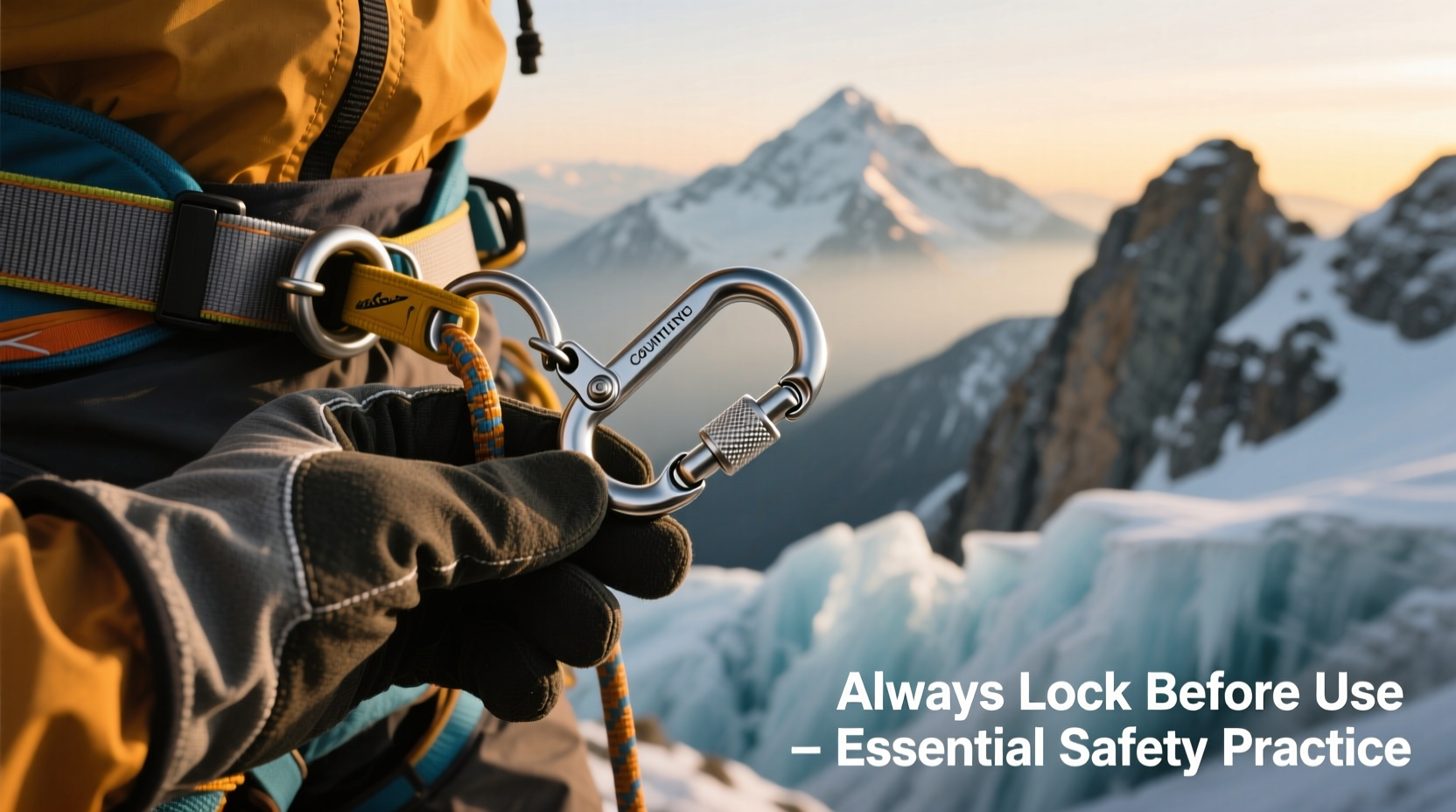
Mountaineering buckle keychains are modeled after climbing-rated hardware such as carabiners, quickdraws, and belay devices. These components are engineered to withstand dynamic loads, resist corrosion, and maintain structural integrity under extreme conditions. However, most decorative or novelty versions sold as keychains are not certified for load-bearing applications.
The critical difference lies in material quality, manufacturing standards, and testing. True mountaineering gear undergoes rigorous certification (e.g., UIAA or CE) and is rated for forces exceeding several kilonewtons. In contrast, consumer-grade buckle keychains may be made from lower-grade metals, lack gate spring mechanisms, or feature flawed geometries that compromise strength.
“Just because it looks like climbing gear doesn’t mean it performs like climbing gear.” — Daniel Reyes, Alpine Safety Instructor and AMGA-Certified Guide
Treating a non-certified buckle as if it were a functional carabiner is a common—and dangerous—mistake. Always assume a keychain version is for decorative or light utility use only unless explicitly labeled and tested for load-bearing tasks.
Do’s and Don’ts: Safe Handling Practices
| Do | Don’t |
|---|---|
| Inspect regularly for cracks, deformation, or worn threads. | Use it to hang from or support body weight. |
| Clean with mild soap and water if exposed to salt or dirt. | Attach it to climbing ropes or safety harnesses. |
| Use it for keys, small tools, or lightweight EDC items. | Expose it to high heat, acid, or abrasive chemicals. |
| Store it away from moisture to prevent corrosion. | Drop it frequently on hard surfaces—impact weakens metal over time. |
| Choose models with a secure locking mechanism if available. | Assume all metal buckles are equally strong—aluminum is weaker than steel. |
Step-by-Step Guide to Safe Daily Use
Integrating a mountaineering buckle keychain into your routine requires deliberate habits. Follow this sequence to minimize risk and extend the item’s lifespan:
- Verify the source and specifications. Purchase from reputable brands that disclose material type (e.g., 7075 aluminum or 304 stainless steel) and avoid unbranded imports with no safety data.
- Conduct an initial inspection. Check for smooth gate movement, no visible burrs, and a fully seated spring. The closure should snap shut firmly.
- Limit load to under 5 lbs (2.3 kg). Even robust-looking buckles aren’t designed for heavy key rings with multiple thick keys or tools.
- Attach securely to a belt loop or bag D-ring. Avoid dangling it loosely where it can snag or strike against objects.
- Perform monthly maintenance. Wipe clean, inspect for wear, and test gate function. Lubricate sparingly with dry Teflon spray if needed.
- Retire at first sign of damage. Cracks, warping, or gate misalignment mean immediate discontinuation of use.
Real-World Example: A Close Call Prevented
In 2022, a hiker in Colorado carried a titanium mountaineering-style buckle keychain clipped to his backpack’s shoulder strap. During a steep descent, the buckle caught on a rock face and snapped open under lateral pressure. Though no injury occurred, the force ripped a gash in the fabric and nearly caused him to lose balance.
Upon inspection, he discovered the buckle lacked a locking gate and had been marketed as “inspired by” climbing gear without meeting any safety standard. He replaced it with a simple rubber O-ring holder for keys and reserved actual climbing hardware exclusively for technical use.
This incident underscores how context matters: a component safe in controlled conditions can become hazardous when subjected to unintended stress vectors in real-world environments.
Essential Checklist Before Every Use
- ✅ Confirm the buckle is not labeled \"decorative only\"
- ✅ Inspect for cracks, dents, or corrosion
- ✅ Test gate closure—should snap shut without sticking
- ✅ Ensure no sharp edges that could cut fabric or skin
- ✅ Verify attachment point (key ring, lanyard) is intact
- ✅ Confirm total weight of attached items is minimal
- ✅ Avoid carrying near children who might ingest small parts
Frequently Asked Questions
Can I use a mountaineering buckle keychain as a mini carabiner for light camping tasks?
Only if it is explicitly rated and certified for load-bearing use. Most keychain versions are not UIAA or CE certified. For tasks like hanging a lantern or securing gear loops, invest in a true micro-carabiner designed for outdoor use instead.
Are titanium buckle keychains safer than aluminum ones?
Titanium offers superior strength-to-weight ratio and corrosion resistance, but safety depends more on design and manufacturing quality than material alone. A poorly forged titanium buckle can fail just as easily as a cheap aluminum one. Certification and brand reputation matter most.
What should I do if my buckle gets magnetized or discolored?
Discoloration often indicates oxidation or chemical exposure—clean gently and retire if pitting occurs. Magnetization isn’t inherently dangerous but may signal ferrous alloy content, which is more prone to rust. Replace if unsure about composition.
Final Thoughts: Respect the Design, Not Just the Look
The appeal of a mountaineering buckle keychain lies in its fusion of form and function—a symbol of adventure and preparedness. But symbols alone don’t provide safety. Real protection comes from informed use, regular inspection, and respecting the boundary between genuine equipment and inspired accessories.
These small devices serve best when treated not as toys, novelties, or improvised tools, but as reminders of the precision and responsibility inherent in outdoor safety culture. By adopting disciplined habits today, you honor the legacy of the gear they emulate and protect yourself from preventable risks.




 浙公网安备
33010002000092号
浙公网安备
33010002000092号 浙B2-20120091-4
Comments
No comments yet. Why don't you start the discussion?