
LED light therapy has gained widespread popularity for its non-invasive approach to improving skin tone, reducing acne, and promoting anti-aging benefits. With the rise of at-home beauty devices, wireless LED masks offer convenience and flexibility. However, improper use can lead to eye strain, skin irritation, or reduced effectiveness. Understanding how to safely and effectively use these devices ensures you get the most out of your investment while minimizing risks.
Understanding How Wireless LED Masks Work
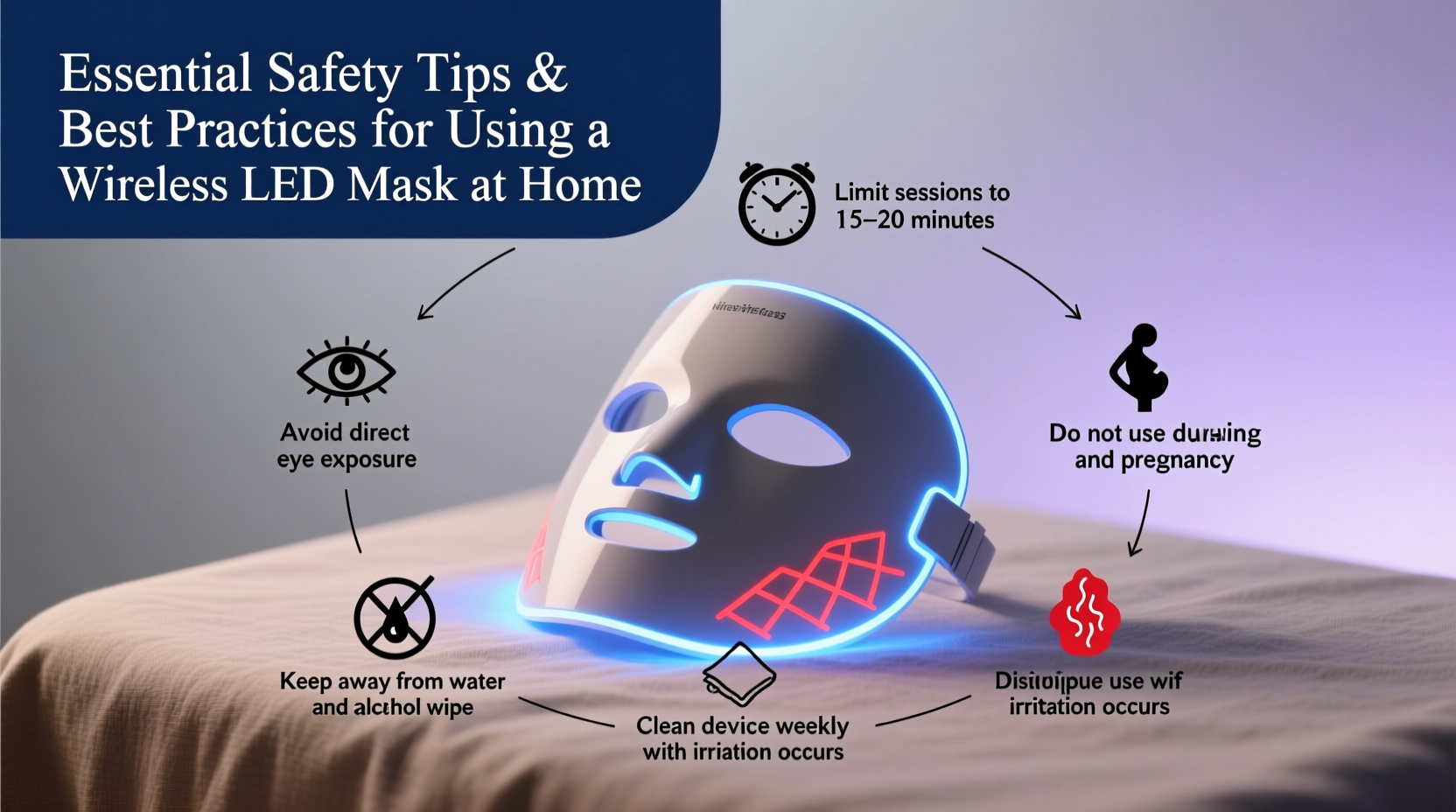
Wireless LED masks emit specific wavelengths of light that penetrate the skin at varying depths. Each color targets different concerns:
- Red light (630–660 nm): Stimulates collagen production, reduces fine lines, and improves skin elasticity.
- Blue light (400–470 nm): Targets acne-causing bacteria and helps manage breakouts.
- Near-infrared (800–880 nm): Penetrates deeper tissues, aiding in cellular repair and reducing inflammation.
Because these lights interact directly with biological tissue, proper usage is crucial. Unlike clinical treatments supervised by dermatologists, at-home devices require user responsibility to ensure safe operation.
Safety First: Protecting Your Eyes and Skin
The most critical risk associated with LED masks is potential eye damage. Although LED light is non-ionizing and generally safer than UV radiation, prolonged exposure to bright light—especially blue and near-infrared—can contribute to retinal stress.
Eye Protection Guidelines
Even if the mask covers only the face, stray light or reflective surfaces can expose your eyes. Never look directly into active LEDs. Most reputable masks include built-in eye shields or recommend keeping your eyes closed during treatment.
“Even low-intensity blue light can disrupt melatonin and cause ocular fatigue. Users should avoid direct eye exposure, especially in dark environments.” — Dr. Lena Torres, Optometrist & Light Therapy Researcher
Skin Sensitivity Considerations
While LED therapy is suitable for most skin types, those with photosensitivity due to medications (like isotretinoin or certain antibiotics) or medical conditions (such as lupus) should consult a dermatologist before use. Overuse may also lead to redness or dryness, particularly in individuals with compromised skin barriers.
| Light Type | Recommended Use | Risks if Misused |
|---|---|---|
| Red Light | Anti-aging, collagen stimulation | Mild warmth; overuse may cause temporary redness |
| Blue Light | Acne reduction, antibacterial effect | Eye strain; not advised for sensitive eyes |
| Near-Infrared | Deep tissue healing, inflammation reduction | Potential thermal buildup with extended sessions |
Step-by-Step Guide to Safe Home Use
Follow this sequence to maximize benefits and minimize hazards when using your wireless LED mask:
- Read the manual thoroughly. Understand device-specific features, charging requirements, and recommended session duration.
- Cleanse your face completely. Remove makeup, oils, and dirt to allow optimal light penetration.
- Apply no photosensitizing products. Avoid retinoids, AHAs, or benzoyl peroxide immediately before treatment.
- Position the mask correctly. Ensure full facial coverage without gaps, but do not press tightly against the skin.
- Keep eyes closed or shielded. Use provided eye covers or lie in a position where ambient light doesn’t reflect upward.
- Start with short sessions (10 minutes). Gradually increase to 20 minutes if tolerated, no more than once daily.
- Monitor your skin’s response. Discontinue use if you experience burning, itching, or unusual redness.
- Charge safely. Use only the provided cable and avoid charging overnight or on flammable surfaces.
Common Mistakes and How to Avoid Them
Many users unknowingly compromise their results—or safety—due to simple oversights. Here are frequent errors and how to correct them:
- Using the mask too frequently: More isn’t better. Overstimulation can lead to inflammation. Stick to 3–5 sessions per week max.
- Ignoring battery health: Lithium-ion batteries degrade over time. Replace swollen or overheating units immediately.
- Skipping skin prep: Oily residue blocks light absorption. Cleanse and pat dry before each session.
- Using while distracted: Falling asleep with the mask on increases exposure risk. Stay awake and aware.
- Sharing without sanitizing: Wipe down the interior with alcohol-free disinfectant after each use to prevent bacterial transfer.
Mini Case Study: Sarah’s Overuse Incident
Sarah, a 32-year-old marketing professional, began using a new wireless LED mask nightly to target early signs of aging. Excited by initial improvements, she increased her sessions to 30 minutes twice a day. After two weeks, she developed persistent facial redness and mild peeling. Upon consulting a dermatologist, she learned that overexposure had disrupted her skin barrier. By reducing frequency to three times weekly and adding a soothing moisturizer, her skin recovered within ten days. Her experience underscores the importance of moderation and monitoring.
Checklist: Pre-Use Safety Protocol
Before every session, run through this quick checklist:
- ✅ Face is clean and free of active topicals (retinoids, acids)
- ✅ Eyes will remain closed or protected
- ✅ Device is fully charged—not charging during use
- ✅ Session timer set (max 20 minutes)
- ✅ No medications causing photosensitivity
- ✅ Skin shows no signs of irritation from prior use
- ✅ Mask surface is sanitized
Frequently Asked Questions
Can I use an LED mask if I have sensitive skin?
Yes, but start with shorter sessions (5–10 minutes) and monitor your skin closely. Red light is generally gentler than blue. If irritation occurs, discontinue use and consult a dermatologist.
Is it safe to use an LED mask every day?
Most manufacturers recommend 3–5 times per week. Daily use may be acceptable for some devices, but continuous exposure increases the risk of overstimulation. Follow device guidelines and listen to your skin.
Do wireless LED masks emit harmful radiation?
No. These masks use non-ionizing LED light, which does not carry the DNA-damaging risks of UV or X-ray radiation. However, excessive brightness or heat output should be avoided, especially near the eyes.
Final Thoughts and Recommendations
Wireless LED masks can be a powerful addition to your skincare routine when used responsibly. The key lies in balance—respecting treatment limits, prioritizing eye and skin safety, and staying informed about your device’s specifications. As at-home technology advances, user awareness must keep pace to prevent preventable issues.
Don’t assume “natural” means “risk-free.” Light is energy, and how you apply it matters. Whether you're targeting acne, wrinkles, or inflammation, consistency paired with caution delivers the best long-term outcomes.




 浙公网安备
33010002000092号
浙公网安备
33010002000092号 浙B2-20120091-4
Comments
No comments yet. Why don't you start the discussion?