
Birria is more than a dish—it’s an experience rooted in tradition, slow cooking, and deep, resonant flavors. Originating from the state of Jalisco, Mexico, birria began as a celebratory goat stew, often served during weddings and festivals. Today, it has evolved into a global phenomenon, particularly in its modern form: juicy, spiced meat tucked inside crispy tacos de birria. But no matter how it's served, authenticity hinges on one critical element: the spice blend.
The soul of birria lies not in a single ingredient but in the careful orchestration of dried chiles, toasted seeds, warm spices, and aromatic herbs. These components are not merely added for heat—they build layers of complexity, balancing earthiness, fruitiness, smokiness, and warmth. Without the right combination, what emerges is not birria, but a generic stew masquerading under a trendy name.
To make birria that honors its heritage, home cooks must understand which spices are non-negotiable, how they function individually and collectively, and how to source and prepare them properly. This guide breaks down the essential spices used in traditional birria, their roles in the dish, and practical methods for using them to achieve restaurant-quality results at home.
Definition & Overview: What Makes Birria Unique?
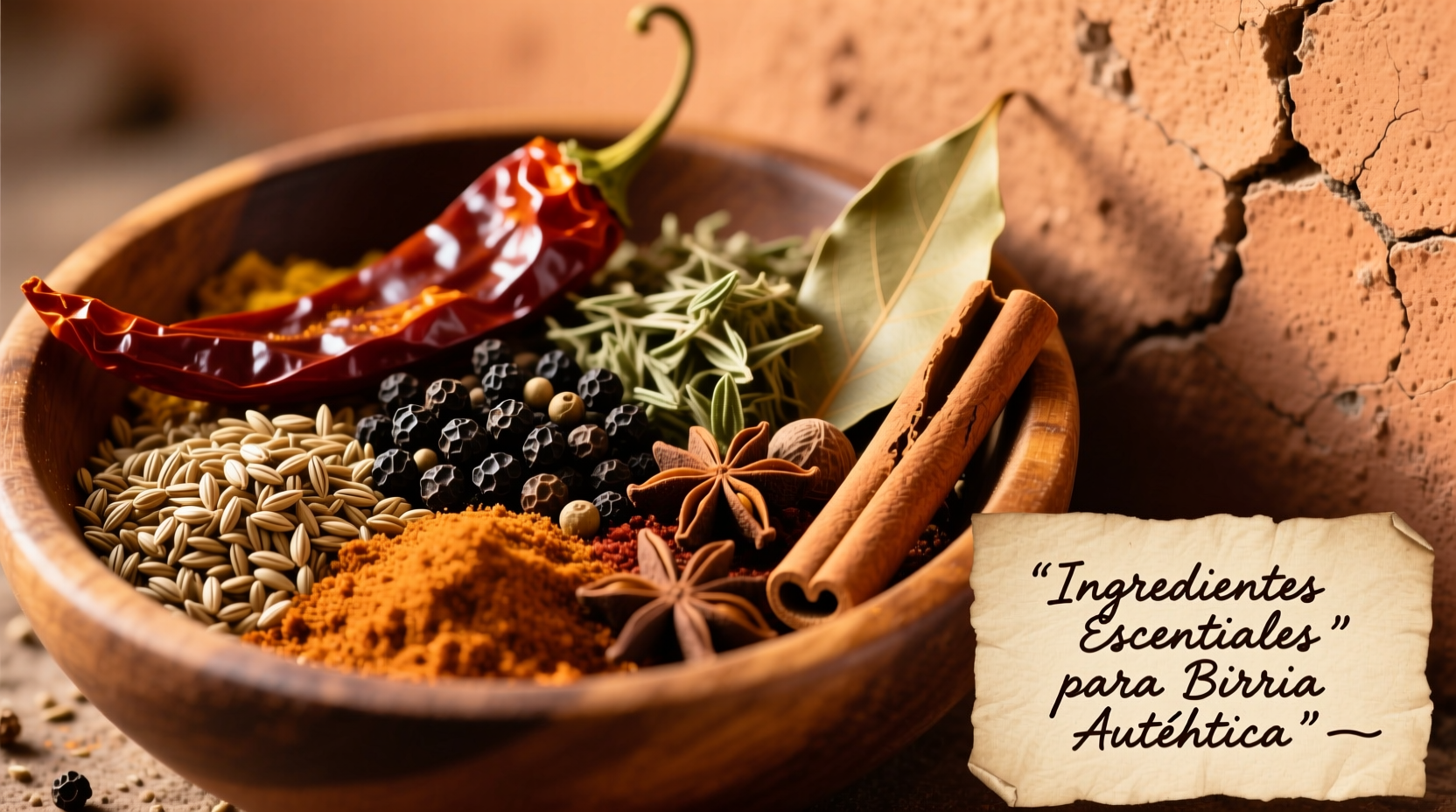
Birria is a slow-braised meat dish traditionally made with goat (chivo), though modern variations use beef, lamb, or even chicken. The meat is marinated and cooked in a richly spiced broth derived primarily from rehydrated dried chiles and a curated blend of whole spices. The resulting liquid—known as *consommé*—is deeply flavorful, slightly tangy, and complex, often sipped alongside the meat or used to dip tortillas.
What distinguishes birria from other Latin American stews like mole or barbacoa is its balance of sweet, sour, and savory notes, achieved through a precise combination of ingredients. Unlike mole, which can include chocolate and dozens of components, birria maintains a tighter, more focused profile centered on chile flavor enhanced by complementary spices.
The spice blend in birria does not overpower; instead, it supports and amplifies the natural richness of the meat and the fruity depth of the chiles. Each spice plays a distinct role: some add warmth, others contribute floral or earthy tones, and a few lend subtle bitterness to round out the palate. Understanding these functions allows cooks to replicate—and eventually master—the authentic taste of birria.
Key Characteristics of Essential Birria Spices
The following spices are foundational to authentic birria. While regional variations exist, these ingredients appear consistently across traditional recipes from Jalisco and surrounding areas. Below is a breakdown of their flavor profiles, culinary functions, and sensory contributions.
| Spice | Flavor Profile | Heat Level (Scoville) | Culinary Function | Shelf Life (Whole) |
|---|---|---|---|---|
| Guajillo Chiles | Tangy, berry-like, mild heat | 2,500–5,000 | Base color and acidity; primary chile | 1–2 years |
| Ancho Chiles | Sweet, raisin-like, earthy | 1,000–2,000 | Fruitiness and body; thickens sauce | 1–2 years |
| Chipotle Chiles (in adobo optional) | Smoky, spicy, slightly sweet | 5,000–10,000 | Smokiness and depth; adds complexity | 6–12 months dried |
| Oregano (Mexican preferred) | Pungent, citrusy, floral | None | Aromatic lift; herbal backbone | 3–4 years |
| Cumin Seeds or Ground | Earthy, warm, slightly bitter | None | Meaty depth; enhances umami | 2–3 years |
| Bay Leaves (Mexican or California) | Woody, floral, tea-like | None | Background aroma; improves with long cook | 2–3 years |
| Whole Cloves | Intense, sweet, medicinal | None | Sharp top note; balances sweetness | 3–4 years |
| Black Peppercorns | Pungent, sharp, mildly hot | 10,000–20,000 | Heat and bite; rounds out profile | 3–4 years |
| Cinnamon (Canela preferred) | Warm, sweet, delicate | None | Subtle sweetness; bridges chile and meat | 3–4 years |
This combination creates a harmonic layering of flavor: bright acidity from guajillo, deep fruitiness from ancho, smokiness from chipotle, and a warm aromatic finish from oregano, cumin, and spices. When balanced correctly, the result is neither overly spicy nor cloyingly sweet—but deeply satisfying, with each bite revealing new nuances.
Practical Usage: How to Use These Spices in Birria
Using these spices effectively requires more than simply adding them to a pot. Authentic preparation involves several key steps: toasting, rehydrating, blending, and slow infusion. Follow this method to extract maximum flavor and ensure a balanced, vibrant consommé.
- Toast Whole Spices and Dried Chiles: Place guajillo, ancho, and optional chipotle chiles in a dry skillet over medium-low heat. Press gently with a spatula and toast for 20–30 seconds per side until fragrant and pliable but not burnt. Transfer immediately to a bowl. In the same pan, lightly toast whole cloves, black peppercorns, cumin seeds, and a 3-inch piece of cinnamon stick for 1–2 minutes until aromatic.
- Rehydrate Chiles: Cover toasted chiles with hot water and soak for 20–30 minutes until soft. Reserve soaking liquid. Remove stems and seeds if less heat is desired.
- Grind the Spice Paste: Drain chiles and combine with toasted whole spices, 1 tablespoon Mexican oregano, 2 bay leaves, 4 garlic cloves, 1 teaspoon salt, and ½ cup of reserved chile soaking liquid. Blend until smooth, adding more liquid as needed. For deeper flavor, roast garlic before blending.
- Braise the Meat: Rub the paste onto 3–4 pounds of bone-in goat, beef chuck, or lamb shoulder. Sear in a heavy pot, then cover with water or light stock. Simmer covered for 2.5–3 hours until fork-tender. Strain consommé before serving.
Pro Tip: For richer depth, char the onions and garlic before blending. A comal or cast-iron skillet gives a subtle roasted note that enhances the overall complexity without introducing smoke from wood or fire.
In professional kitchens, this paste—called *recado*—is often prepared in bulk and frozen for consistency. Home cooks can do the same: portion the blended paste into ice cube trays, freeze, then store in bags for up to six months. One cube equals about ¼ cup—enough for two servings of birria.
Variants & Types: Regional and Modern Adaptations
While the core spice profile remains consistent, regional interpretations of birria introduce slight variations based on local ingredients and preferences.
- Jalisco Traditional (Goat-Based): Uses only guajillo and ancho chiles, Mexican oregano, cumin, cloves, and cinnamon. No tomatoes or vinegar, relying solely on chile acidity.
- Tijuana-Style (Beef Birria Tacos): Adds chipotle in adobo and a splash of apple cider vinegar for brightness. Often includes a touch of brown sugar to enhance caramelization when frying tacos.
- Vegetarian Birria (Mushroom or Jackfruit): Retains the full spice blend but substitutes meat with hearty plant-based proteins. Dried mushrooms can amplify umami, mimicking the depth of slow-cooked animal protein.
- Modern Fusion (Birria Ramen): Keeps the consommé base but serves it over ramen noodles with toppings like soft-boiled egg and scallions. The spice foundation remains unchanged—proof of its versatility.
Different forms of the same spice also affect outcome. For example:
- Ground vs. Whole Cumin: Whole seeds, toasted and ground fresh, offer brighter, more aromatic flavor. Pre-ground cumin can be flat or musty if old.
- Mexican Oregano vs. Mediterranean: Mexican oregano (Lippia graveolens) has a citrusy, bold character ideal for birria. Mediterranean oregano (Origanum vulgare) is milder and floral—less suitable here.
- Canela vs. Cassia Cinnamon: True canela (Mexican cinnamon) is softer, sweeter, and more complex. Cassia, common in U.S. supermarkets, is harsher and more pungent—use sparingly if substituting.
| Spice | Preferred Form | Why It Matters |
|---|---|---|
| Oregano | Mexican (dried leaves) | Stronger, more robust flavor with hints of lemon and thyme |
| Cinnamon | Canela (whole stick) | Sweeter, less coumarin-heavy; integrates smoothly into broth |
| Cumin | Whole seeds, toasted and ground | Fresher, more vibrant than pre-ground; avoids bitterness |
| Chiles | Whole dried, toasted, rehydrated | Superior texture and flavor control versus canned or powdered |
Comparison with Similar Ingredients
Many spices used in birria appear in other Latin and global cuisines, leading to confusion and substitution errors. Understanding the distinctions ensures authenticity.
Guajillo vs. Pasilla vs. Mulato Chiles
- Guajillo: Bright red, smooth skin, tangy with mild heat. Primary chile in birria.
- Pasilla: Dark, wrinkled, raisin-like with licorice notes. More common in moles; too bitter for birria.
- Mulato: Brownish, sweet, chocolatey. A ripened poblano; used in moles, not traditional birria.
Cumin in Birria vs. Indian Cuisine
- In birria, cumin is used sparingly—about 1–2 teaspoons per batch—to deepen meatiness without dominating.
- In Indian curries, cumin may be used in larger quantities and often paired with coriander, turmeric, and mustard seed.
- Overuse in birria leads to a medicinal or soap-like aftertaste—balance is key.
Chipotle in Adobo vs. Dried Chipotle Morita
- Dried Morita: Preferred for birria. Smoked ripe jalapeño, rehydrated and blended. Clean, smoky, integrated flavor.
- Adobo Sauce Version: Contains vinegar, onion, garlic, and preservatives. Can make birria overly tangy or muddy in color.
\"The mistake many home cooks make is treating birria like a chili or curry. It’s neither. It’s a chile-forward braise where every spice must support—not compete with—the fruitiness of the guajillo and ancho.\" — Chef Elena Ruiz, Oaxaca Culinary Institute
Practical Tips & FAQs
How much spice should I use for 3 pounds of meat?
Start with: 6 guajillo chiles, 3 ancho chiles, 1–2 chipotles (optional), 1 tbsp Mexican oregano, 1 tsp cumin, 3 cloves, 1 stick canela, 10 black peppercorns, 2 bay leaves. Adjust after tasting consommé.
Can I use chili powder instead of whole chiles?
You can, but results will lack depth and vibrancy. Most commercial chili powders contain fillers, anti-caking agents, and inconsistent heat levels. If necessary, use pure ancho or guajillo powder, not generic \"chili powder\" blends.
Is vinegar necessary in birria?
Not traditionally. Authentic birria relies on the natural tartness of guajillo chiles. Some modern recipes add vinegar for brightness, especially in taco versions, but it’s not required.
How do I store leftover birria spices?
Keep whole dried chiles and spices in airtight containers away from light and heat. Label with purchase date. Avoid storing near the stove. Toast before use to revive flavor.
What’s the best meat for birria?
Goat (cabrito) is traditional and prized for its gaminess, which pairs well with bold chiles. Beef chuck is widely accessible and yields tender, rich results. Lamb offers a middle ground with strong flavor and good fat content.
Why is my birria bitter?
Bitterness usually comes from over-toasting chiles, using old or moldy chiles, or adding too many cloves or bay leaves. Always inspect chiles before use—discard any with dark spots or musty smell.
Can I make birria in a pressure cooker?
Yes. After searing and adding liquid, pressure cook for 45–50 minutes. However, the consommé may lack the rounded depth of a slow-simmered version. For best results, reduce the broth uncovered after cooking to concentrate flavor.
Storage Tip: Freeze birria consommé in 1-cup portions. It keeps for up to 6 months and can be used later for soups, rice dishes, or reheated as a drink with lime and onion.
Summary & Key Takeaways
Authentic birria is defined by its spice blend—a carefully calibrated mix of dried chiles and warm, aromatic spices that work in harmony to create a deeply flavorful, layered stew. The essential spices—guajillo, ancho, chipotle, Mexican oregano, cumin, cloves, cinnamon, black pepper, and bay leaf—each serve a specific purpose in building color, aroma, heat, and balance.
To achieve genuine results:
- Use whole dried chiles, toasted and rehydrated—not powders or canned alternatives.
- Choose Mexican oregano and true canela for authentic flavor.
- Toast whole spices to unlock their volatile oils before blending.
- Avoid overusing strong spices like cloves and cumin, which can dominate.
- Simmer slowly to allow flavors to meld and deepen.
Birria is not a dish of shortcuts. Its magic emerges from patience, quality ingredients, and respect for tradition. By mastering these essential spices, home cooks gain access to a world of flavor that transcends trends—offering a taste of Mexico’s rich culinary soul with every spoonful.
Next Step: Try making a small test batch of the spice paste and freeze it. Use it in different applications—braised meats, beans, or even marinades—to explore its versatility beyond birria.




 浙公网安备
33010002000092号
浙公网安备
33010002000092号 浙B2-20120091-4
Comments
No comments yet. Why don't you start the discussion?