
A well-functioning air conditioning system is more than a luxury—it’s a necessity for comfort, especially during peak summer months. However, many homeowners overlook routine maintenance until performance declines or a breakdown occurs. Regular checks and proactive care not only extend the lifespan of your AC unit but also improve energy efficiency, reduce utility bills, and ensure consistent indoor air quality. Understanding how to accurately assess and maintain your system empowers you to avoid costly repairs and maximize performance year-round.
1. Monitor System Performance with Routine Checks
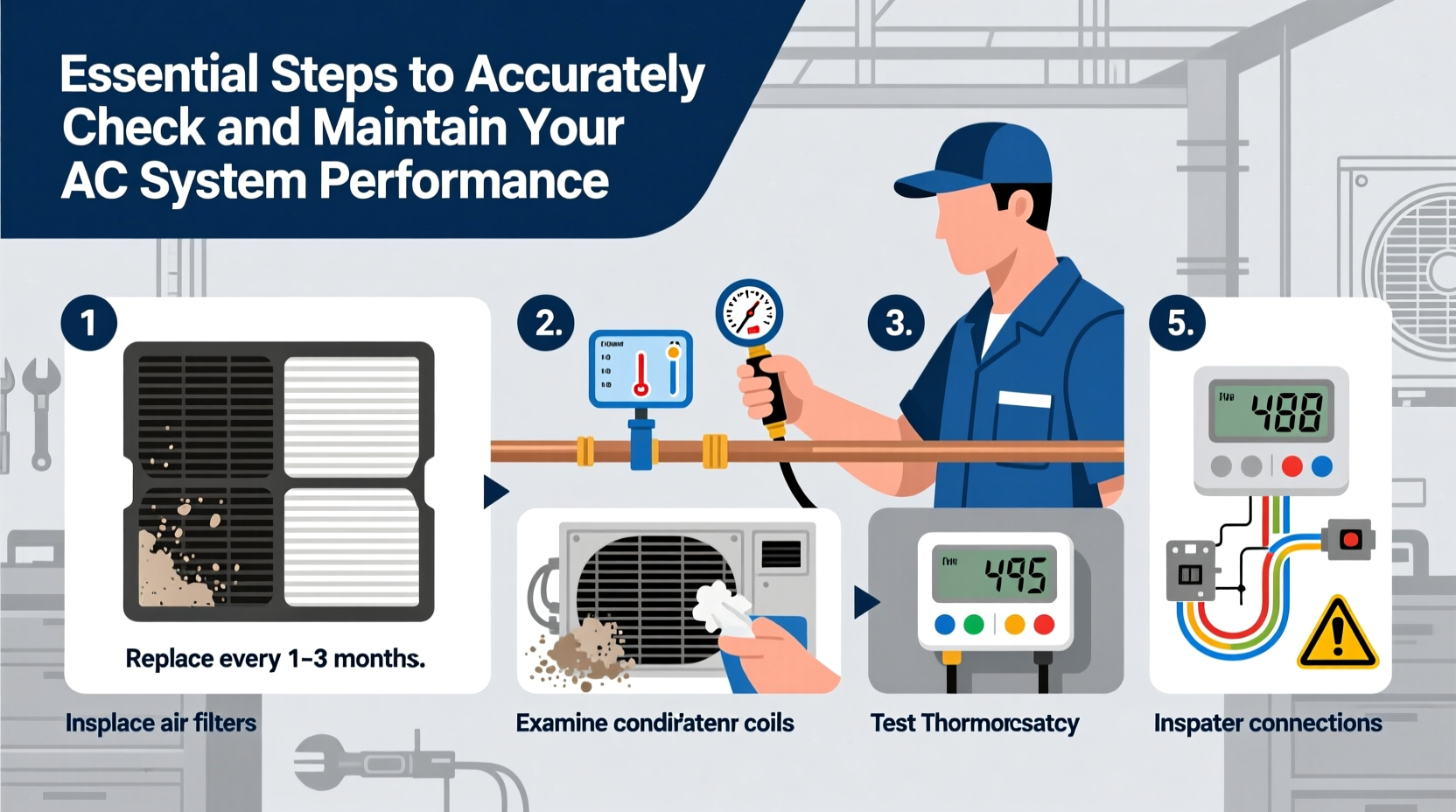
The first step in maintaining your AC system is establishing a baseline for normal operation. This includes observing cooling output, airflow strength, and operational sounds. A sudden change in any of these indicators can signal developing issues.
Begin by checking if your home reaches the set temperature within a reasonable time. If cooling takes longer than usual, it may point to refrigerant leaks, dirty coils, or airflow restrictions. Listen for unusual noises such as grinding, squealing, or rattling—these often indicate mechanical stress or failing components.
Monthly Visual Inspection Checklist
- Inspect outdoor unit for debris (leaves, dirt, grass clippings)
- Ensure at least 2 feet of clearance around the condenser
- Check for signs of corrosion or bent fins
- Look for refrigerant line frost or moisture buildup
- Verify that the indoor blower compartment is clean and unobstructed
2. Maintain Airflow with Filter and Duct Management
Restricted airflow is one of the most common causes of reduced AC efficiency. The air filter plays a critical role in both system health and indoor air quality. A clogged filter forces the blower motor to work harder, increasing energy use and wear on components.
Replace standard 1–3 inch filters every 30–90 days, depending on usage and household conditions (e.g., pets, allergies). High-efficiency filters like HEPA or MERV 11–13 may last longer but require compatible systems to prevent strain.
“Up to 90% of HVAC failures are linked to poor airflow, often stemming from neglected filters and duct issues.” — James Rutherford, HVAC Systems Engineer
Ductwork also demands attention. Leaky or poorly insulated ducts in attics or crawl spaces can waste 20–30% of cooled air. Inspect accessible ducts for gaps, loose joints, or insulation damage. Seal minor leaks with mastic sealant (not duct tape, which degrades over time).
3. Clean Critical Components: Coils, Fins, and Drain Lines
Heat exchange efficiency depends heavily on the cleanliness of the evaporator and condenser coils. Dust and grime act as insulators, reducing heat transfer and forcing the system to run longer cycles.
The condenser coil, located in the outdoor unit, should be cleaned at least once per season. Turn off power, remove debris from the exterior, then gently spray the fins with a coil cleaner following manufacturer instructions. Use a fin comb to straighten any bent fins, which disrupt airflow.
Indoor evaporator coils accumulate mold and dust over time, especially if humidity is high. These typically require professional cleaning every 2–3 years, though homes in humid climates may benefit from annual service.
Equally important is the condensate drain line. Clogs lead to water overflow, potential water damage, and system shutdowns. Prevent blockages by pouring a cup of distilled vinegar or bleach solution down the drain pan monthly. This inhibits algae and mold growth.
| Component | Maintenance Frequency | Recommended Action |
|---|---|---|
| Air Filter | Every 1–3 months | Replace or clean (if reusable) |
| Condenser Coil | Annually (spring) | Clean with coil cleaner |
| Evaporator Coil | Every 2–3 years | Professional cleaning |
| Drain Line | Monthly | Flush with vinegar |
| Thermostat Calibration | Biannually | Test accuracy with thermometer |
4. Verify Refrigerant Levels and Electrical Connections
Refrigerant is the lifeblood of your cooling system. Too little refrigerant reduces cooling capacity and can damage the compressor—the most expensive component to replace. Low levels usually indicate a leak, not normal depletion.
Only licensed technicians should handle refrigerant charging due to environmental regulations and safety risks. However, homeowners can watch for warning signs: hissing sounds, ice formation on lines, or weak cooling despite proper airflow.
Electrical connections degrade over time due to vibration and thermal expansion. Loose wiring at the contactor, capacitor, or terminal block increases resistance, causing overheating and potential failure. During annual professional maintenance, insist on a full electrical inspection including:
- Tightening all connections
- Testing capacitor microfarad ratings
- Measuring voltage and amperage draw
Step-by-Step Guide: Pre-Season AC Tune-Up
- Turn off power at the disconnect switch and circuit breaker.
- Clear debris from around the outdoor unit; remove leaves, twigs, and dirt.
- Inspect and replace the air filter if dirty.
- Clean the condenser coils using a soft brush and no-rinse cleaner.
- Check the drain line by pouring vinegar into the access point.
- Examine thermostat settings and test calibration with a separate thermometer.
- Restore power and listen for smooth startup and steady operation.
- Schedule professional inspection if any abnormalities persist.
5. Real-World Example: Preventing Costly Compressor Failure
In suburban Phoenix, Maria noticed her AC was running constantly but failing to cool past 78°F, even with the thermostat set to 72°. She initially assumed the unit was undersized. After checking the filter (which was black with dust) and clearing shrubs blocking the condenser, she still saw no improvement.
She called an HVAC technician who measured low refrigerant pressure and found a small leak near the compressor valve. The root cause? A corroded electrical connection had caused the compressor to overheat intermittently, leading to premature wear and refrigerant loss. With timely intervention, the technician repaired the leak, replaced the contactor, and recharged the system—costing $420. Had Maria waited another month, total compressor replacement would have exceeded $1,800.
This case underscores how multiple maintenance oversights—a dirty filter, obstructed condenser, and unchecked electrical components—can compound into major system failure.
Frequently Asked Questions
How often should I schedule professional AC maintenance?
Experts recommend a professional tune-up at least once per year, ideally in spring before peak cooling season. Systems in dusty environments or high-use households may benefit from biannual inspections.
Can I clean the evaporator coil myself?
While some DIY kits exist, evaporator coils are located inside the air handler and often require disassembly. Improper handling can damage delicate fins or introduce moisture into electrical components. It’s best left to professionals.
Why does my AC freeze up occasionally?
Freezing is typically caused by restricted airflow (dirty filter, blocked vents), low refrigerant, or a malfunctioning blower motor. Address airflow issues first, and if the problem persists, call a technician to check refrigerant levels and system diagnostics.
Conclusion: Take Control of Your AC’s Health
Your air conditioning system is a complex investment that rewards consistent care. By integrating simple checks into your seasonal routine and recognizing early warning signs, you can prevent minor issues from escalating into major failures. Accuracy in monitoring performance—not just reacting to discomfort—is the key to efficiency, reliability, and long-term savings.




 浙公网安备
33010002000092号
浙公网安备
33010002000092号 浙B2-20120091-4
Comments
No comments yet. Why don't you start the discussion?