
Starting an online business is no longer reserved for tech geniuses or venture-backed entrepreneurs. With the right approach, anyone can build a profitable digital company from the ground up. But success doesn’t come from launching quickly—it comes from launching wisely. A well-planned foundation separates fleeting side hustles from sustainable, scalable businesses. From validating your idea to executing a targeted marketing strategy, every step matters. This guide walks you through the proven process of turning a concept into a functioning, revenue-generating online enterprise.
Validate Your Business Idea First
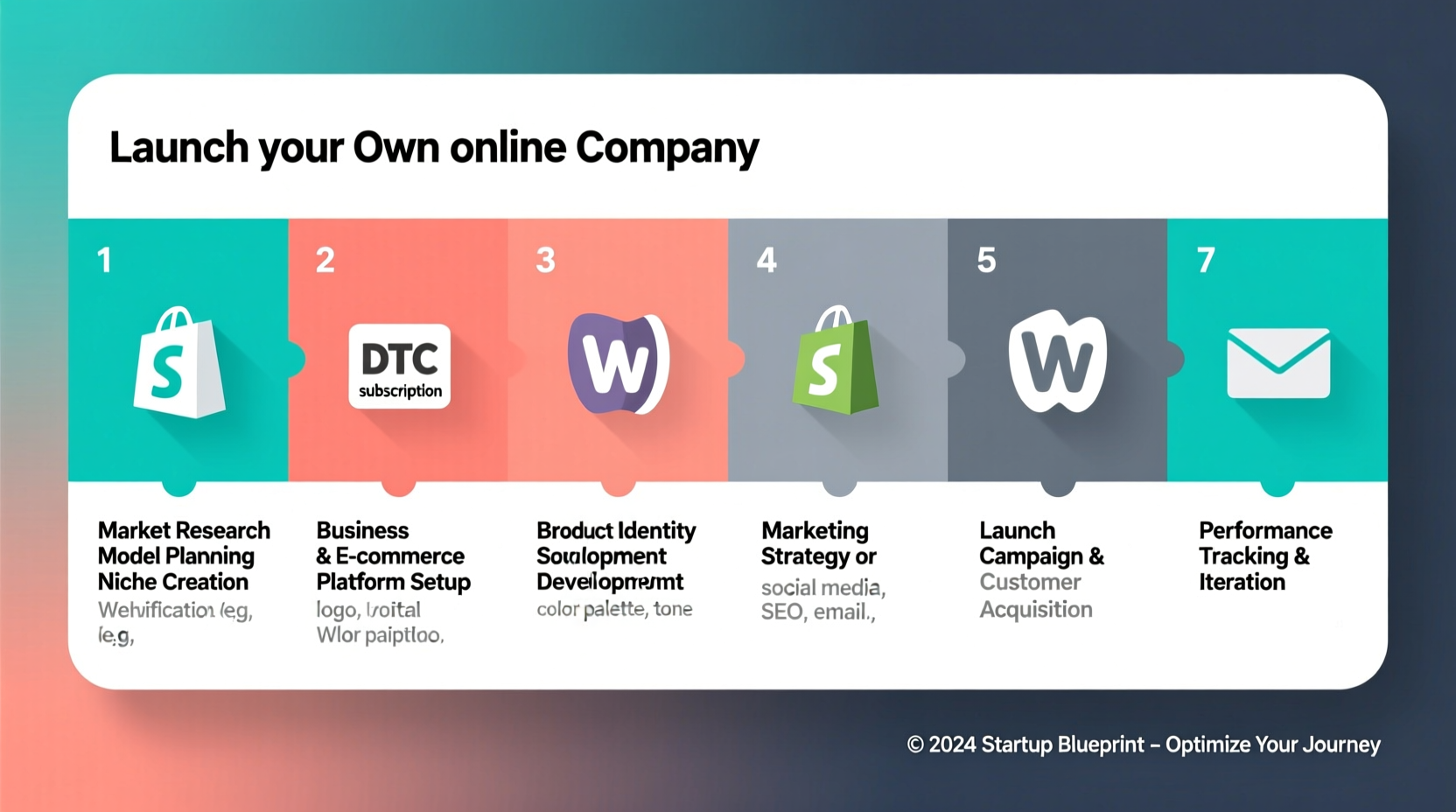
Before investing time and money, confirm that people actually want what you’re offering. Too many entrepreneurs skip validation and build products nobody buys. Start by identifying a real problem in a specific market. Then test demand through surveys, competitor analysis, and pre-sales.
Engage with potential customers on forums like Reddit, Facebook groups, or niche communities. Ask questions about their pain points. Use tools like Google Trends to assess search volume for related keywords. Consider running a low-cost landing page with a “coming soon” signup form to gauge interest before building anything.
The Lean Validation Checklist
- Define your target audience clearly (age, location, interests, pain points)
- Analyze at least three competitors—what are they doing well? Where are the gaps?
- Create a simple prototype or mockup (using Figma or Canva)
- Run a survey with 50+ potential users
- Launch a one-page website with a call-to-action (e.g., “Join the Waitlist”)
“Many startups fail not because of bad execution, but because they’re solving a problem that doesn’t exist.” — Eric Ries, Author of *The Lean Startup*
Choose the Right Business Model
Your business model determines how you make money. The most common online models include e-commerce, subscription services, digital products, affiliate marketing, and SaaS (Software as a Service). Each has different startup costs, scalability, and customer acquisition strategies.
| Model | Startup Cost | Scalability | Best For |
|---|---|---|---|
| E-commerce (dropshipping or inventory) | Low to Medium | High | Physical products, fashion, gadgets |
| Digital Products (courses, templates, eBooks) | Low | Very High | Experts, educators, creatives |
| Subscription Services | Medium | High | Content, software, membership sites |
| SaaS (Software Tools) | High | Very High | Developers, tech entrepreneurs |
| Affiliate Marketing | Low | Medium | Bloggers, influencers, content creators |
Selecting the right model depends on your skills, budget, and long-term goals. If you're just starting out, digital products or affiliate content often require the least overhead and fastest time to market.
Handle Legal and Financial Setup
Operating without proper legal structure exposes you to personal liability and tax complications. While it may seem tedious, setting up your business correctly from day one saves time, money, and stress down the road.
Start by choosing a business entity. Most solopreneurs begin as a sole proprietorship for simplicity, but forming an LLC (Limited Liability Company) offers better protection and credibility. Register your business name with your state and obtain an EIN (Employer Identification Number) from the IRS—even if you don’t plan to hire employees.
Open a separate business bank account to keep finances organized. Use accounting software like QuickBooks or Wave to track income, expenses, and sales tax obligations. If you sell digital products across state lines or internationally, research VAT, GST, or sales tax requirements.
Legal & Financial Action Steps
- Choose a business structure (LLC recommended for most)
- Register your business name and obtain an EIN
- Secure necessary licenses or permits (varies by industry/location)
- Set up a dedicated business bank account
- Install accounting software and link it to your payment processor
- Consult a tax professional familiar with online businesses
Build Your Brand and Online Presence
Your brand is more than a logo—it’s the entire experience customers have with your company. A strong brand builds trust, stands out in crowded markets, and creates emotional connection.
Start with a clear value proposition: What do you offer, and why should someone choose you? Design a professional logo and choose a consistent color palette and typography. Secure your domain name and social media handles early, even if you’re not active on all platforms yet.
Your website is your digital storefront. Use platforms like Shopify, WordPress, or Webflow depending on your needs. Prioritize fast loading speed, mobile responsiveness, and clear navigation. Include essential pages: Home, About, Products/Services, Contact, and Privacy Policy.
“People don’t buy products. They buy better versions of themselves.” — Seth Godin, Marketing Author
Real Example: How “GreenPath Wellness” Grew in 6 Months
Lena started an online store selling eco-friendly yoga mats and meditation kits. She began by testing demand through Instagram polls and a simple landing page. After confirming interest, she launched with a Shopify site featuring her handmade designs. By focusing on authentic storytelling—sharing her journey toward mindfulness—and using Pinterest and TikTok for organic reach, she generated $8,000 in sales within five months. Her key insight? “People didn’t just want a mat—they wanted to feel part of a calm, intentional lifestyle.” That clarity shaped her branding and messaging, leading to repeat customers and word-of-mouth referrals.
Launch and Scale with Smart Marketing
A great product won’t sell itself. You need a marketing strategy that reaches the right audience at the right time. Begin with owned channels: your website, email list, and social profiles. Build an email list from day one using lead magnets like free guides, checklists, or mini-courses.
Leverage content marketing by publishing valuable blog posts, videos, or podcasts that answer your audience’s questions. Optimize for SEO so people can find you through search engines. Pair this with paid ads on platforms like Facebook, Google, or TikTok once you’ve validated conversion rates.
Track key metrics: customer acquisition cost (CAC), lifetime value (LTV), conversion rate, and churn (for subscriptions). Use analytics tools like Google Analytics and heatmaps to refine your site’s performance.
Essential Launch Timeline (8 Weeks)
- Week 1–2: Finalize idea, validate demand, choose business model
- Week 3: Register business, set up banking and accounting
- Week 4: Design brand identity and secure domain/social handles
- Week 5: Build core website and create initial product/content
- Week 6: Start growing email list via lead magnet and outreach
- Week 7: Test checkout flow, pricing, and customer support process
- Week 8: Soft launch to early subscribers, collect feedback, optimize
Frequently Asked Questions
How much does it cost to start an online business?
Costs vary widely. A basic digital product business can launch for under $500 (domain, hosting, design tools). E-commerce stores may require $2,000–$5,000 for inventory, photography, and ads. SaaS platforms can cost tens of thousands. Focus on starting lean and reinvesting profits.
Do I need technical skills to run an online company?
No. Many successful founders use no-code tools like Squarespace, Gumroad, or Zapier to build and automate their businesses. You can outsource development, design, or copywriting as needed. What matters most is understanding your customers and delivering value.
How long does it take to become profitable?
It depends on your model and execution. Some digital product sellers profit within weeks. Others take 6–12 months to gain traction. Consistency, customer feedback, and iterative improvement are key. Avoid expecting overnight success—focus on steady progress.
Take Action Today
Launching an online company isn’t about perfection—it’s about progress. The most successful entrepreneurs didn’t wait for the ideal moment. They started small, learned fast, and adapted. You don’t need a huge budget or a flawless plan. You need clarity, courage, and commitment to the process.
Pick one step from this guide and complete it today. Whether it’s drafting your value proposition, registering your LLC, or sending your first customer survey, momentum begins with action. Build your business not for quick wins, but for lasting impact. The digital economy rewards those who solve real problems with integrity and persistence.




 浙公网安备
33010002000092号
浙公网安备
33010002000092号 浙B2-20120091-4
Comments
No comments yet. Why don't you start the discussion?