
A leather shoulder bag is more than just an accessory—it’s a long-term investment in style, function, and craftsmanship. High-quality leather ages beautifully when cared for properly, developing a rich patina that enhances its character over time. However, neglect or improper handling can lead to cracking, fading, staining, and structural wear. To preserve both appearance and durability, a consistent maintenance routine is essential. The following strategies are designed to protect your bag from everyday hazards and maximize its lifespan.
1. Understand Your Leather Type
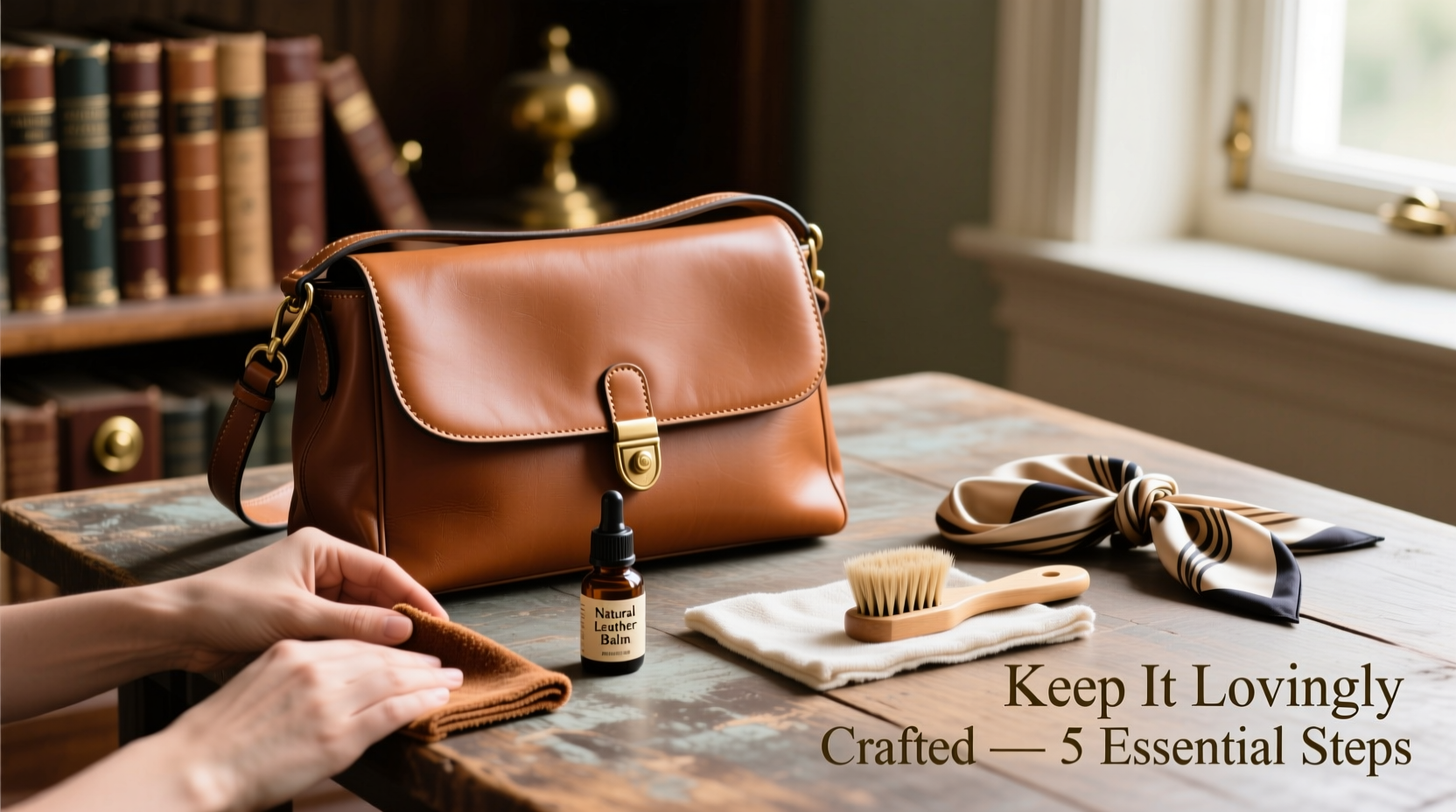
Not all leather is created equal. Knowing the type of leather your bag is made from determines how you should clean, condition, and store it. Common types include:
- Aniline leather: Pure, untreated finish that shows natural grain but is highly susceptible to stains and UV damage.
- Semi-aniline leather: Lightly coated for protection while retaining softness and breathability.
- Protected (pigmented) leather: Has a surface coating that resists scratches and moisture—ideal for daily use.
- Suede and nubuck: Velvety textures that require specialized brushes and sprays; easily damaged by water.
“Using inappropriate cleaners on delicate leathers like aniline can strip oils and accelerate aging.” — Daniel Reeves, Master Leather Conservator at Heritage Restoration Studio
2. Establish a Regular Cleaning Routine
Dust, oils from skin, and environmental pollutants accumulate on leather surfaces daily. Without regular cleaning, these contaminants break down the material’s fibers. A simple weekly wipe-down prevents buildup and maintains luster.
Step-by-Step Cleaning Process
- Empty the bag completely and shake out loose debris.
- Use a dry microfiber cloth to gently wipe exterior and interior surfaces.
- For light soiling, dampen a corner of the cloth with distilled water and lightly dab affected areas—never rub aggressively.
- Apply a pH-balanced leather cleaner sparingly using a second cloth, working in small circular motions.
- Allow to air-dry naturally away from direct heat or sunlight.
- Follow with a leather conditioner after every 3–4 cleanings to replenish moisture.
Avoid household cleaners, alcohol-based wipes, or vinegar solutions—they disrupt the leather’s natural balance and may cause discoloration.
3. Condition Strategically to Prevent Cracking
Leather is a natural hide that loses oils over time, especially with exposure to dry air, temperature shifts, and friction. Conditioning restores suppleness and prevents brittleness. However, over-conditioning can clog pores and attract dirt.
| Leather Type | Conditioning Frequency | Recommended Product Type |
|---|---|---|
| Full-grain / Aniline | Every 3 months | Cream-based, oil-free conditioner |
| Top-grain / Pigmented | Every 4–6 months | Lightweight conditioning spray or balm |
| Suede & Nubuck | Only as needed with specialist products | Water-repellent foam or brush treatment |
| Exotic Leathers (e.g., crocodile) | Biannually by professional | Specialist-approved emulsions only |
4. Store with Purpose to Maintain Shape and Finish
How you store your bag when not in use has a direct impact on its longevity. Poor storage leads to sagging, creasing, mold growth, and color transfer.
Optimal Storage Checklist
- Stuff the bag with acid-free tissue paper or soft cotton cloths to retain shape.
- Store in a breathable cotton dust bag—never plastic, which traps moisture.
- Keep in a cool, dry closet away from radiators, windows, or basements.
- Lay flat or hang by its body (not straps) if designed for it.
- Rotate usage between multiple bags to reduce strain on one item.
Humidity above 60% encourages mildew; below 40% dries out leather. Consider placing a silica gel pack inside the storage area (but not touching the bag) to stabilize moisture levels.
Mini Case Study: Reviving a Neglected Heirloom Bag
Sophia inherited her grandmother’s vintage calfskin shoulder bag, stored for years in a cedar chest wrapped in plastic. Upon opening, she found stiff leather, faded color, and a musty odor. She consulted a restorer who explained that trapped humidity had degraded the fibers. After professional cleaning, gradual rehydration with lanolin-infused conditioner, and three months of controlled environment storage, the bag regained flexibility and shine. This case underscores that even severely compromised leather can recover—with patience and correct methods.
5. Prevent Daily Wear Damage with Smart Habits
The way you use your bag influences its rate of deterioration. Simple behavioral adjustments significantly reduce stress on materials and hardware.
Do’s and Don’ts of Daily Use
| Do | Don’t |
|---|---|
| Rotate bags to avoid overuse | Carry excessively heavy loads regularly |
| Wipe straps after wearing in humid weather | Place bag on dirty or wet floors |
| Use a protective spray for water resistance | Expose to rain without immediate drying |
| Fasten zippers and clasps before storing | Leave metal parts in contact with moisture |
| Clean hands before adjusting straps | Lean against walls or rough surfaces |
Shoulder straps endure constant friction from clothing and movement. Inspect stitching monthly and reinforce weak seams early. If hardware begins to tarnish, polish gently with a jewelry cloth designed for plated metals.
Frequently Asked Questions
Can I repair scratches on my leather bag myself?
Minor surface scuffs on full-grain leather often blend into the patina over time. For deeper marks, use a matching leather balm applied with a cotton swab. Buff lightly after absorption. Avoid ink-style “repair pens” unless specifically formulated for your leather type.
How do I remove water stains?
Blot excess moisture immediately with a dry cloth. Let the bag air-dry naturally, then gently brush the area with a suede brush (for nubuck/suede) or apply a small amount of conditioner (for smooth leather). Never use a hairdryer.
Is it safe to use waterproofing sprays?
Yes, but choose silicone- and wax-free formulas labeled for your specific leather. Test on a discreet spot first. Reapply every 3–6 months depending on use. Note: No spray makes leather fully waterproof—only resistant to light spills or mist.
Conclusion
Preserving a leather shoulder bag doesn’t require elaborate rituals—just mindful habits and informed choices. From identifying your leather type to adopting a seasonal care rhythm, each step contributes to lasting beauty and performance. Whether your bag is a modern commuter essential or a timeless heirloom, treating it with consistent respect ensures it remains functional and elegant for a decade or more.




 浙公网安备
33010002000092号
浙公网安备
33010002000092号 浙B2-20120091-4
Comments
No comments yet. Why don't you start the discussion?