
A ring is more than an accessory—it’s often a symbol of commitment, achievement, or personal style. Whether it’s an engagement band, wedding ring, heirloom, or fashion piece, its value extends beyond metal and gemstones. But daily life exposes rings to constant friction, chemicals, impacts, and environmental stressors that dull their shine and weaken their structure over time. Without proactive care, even the most durable rings can suffer scratches, loosened settings, or irreversible damage. The good news? With consistent, informed protection, you can preserve both the beauty and integrity of your ring for decades.
Understand Your Ring’s Vulnerabilities
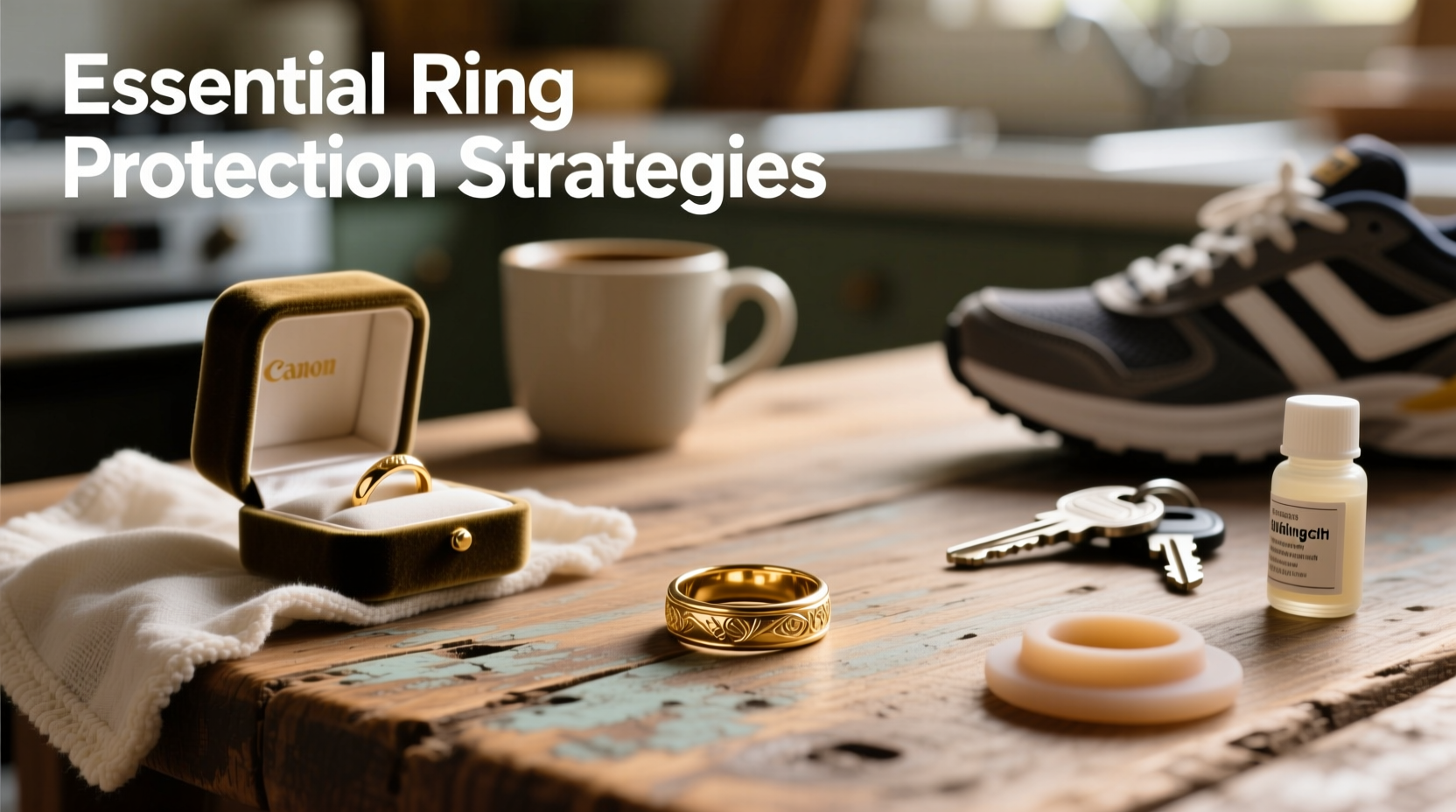
Different materials react differently to daily challenges. A platinum band resists tarnish but can develop a patina; gold scratches more easily than tungsten; diamonds are hard but not immune to chipping along edges. Gemstones like emeralds or opals are especially delicate and require extra caution. Knowing what your ring is made of—and how it responds to pressure, moisture, and temperature—forms the foundation of effective protection.
Metal fatigue is a silent threat. Repeated stress from bumping against surfaces can loosen prongs or thin shanks, increasing the risk of stone loss. Even microscopic abrasions accumulate, turning a polished surface into a dull one over time. Recognizing these risks allows you to tailor your habits to minimize exposure.
“Most ring damage isn’t from one dramatic event—it’s the result of small, repeated exposures that go unnoticed until it’s too late.” — Daniel Reyes, Master Jeweler & GIA Graduate
Practical Daily Protection Habits
The simplest actions offer the strongest defense. Integrating protective habits into your routine doesn’t require major lifestyle changes—just awareness and consistency.
- Take it off during physical tasks: Gardening, cleaning, weightlifting, or DIY projects expose rings to dirt, impact, and harsh substances.
- Sleep without it (when possible): Rolling over in bed or snagging sheets can bend prongs or scratch the band.
- Avoid extreme temperatures: Sudden shifts—like moving from cold outdoors to hot water—can stress metal and cause micro-cracks.
- Limit contact with saltwater and chlorine: Pools, oceans, and hot tubs accelerate corrosion, especially in white gold and silver.
Step-by-Step Weekly Care Routine
Preventive maintenance keeps issues from escalating. Follow this structured weekly plan to maintain your ring’s condition between professional check-ups.
- Remove and inspect: Take the ring off and examine it under bright light. Look for loose stones, bent prongs, or visible scratches.
- Clean gently: Soak in a bowl of lukewarm water with a few drops of mild dish soap for 15–20 minutes. Use a soft-bristled toothbrush to clean around the setting and under the crown.
- Rinse thoroughly: Hold under warm running water to remove soapy residue. Avoid placing directly in the sink—use a strainer or cloth to prevent accidental drops.
- Dry properly: Pat dry with a lint-free microfiber cloth. Do not air-dry, as water spots may form on certain metals.
- Store safely: Place in a lined jewelry box or soft pouch, away from other pieces that could scratch it.
Smart Storage Solutions
Where you keep your ring when not wearing it matters as much as how you wear it. Tossing it onto a nightstand or bathroom counter invites knocks, exposure to humidity, and loss.
| Storage Method | Best For | Avoid If... |
|---|---|---|
| Individual fabric-lined compartment | Diamonds, gold, platinum | Storing multiple rings together |
| Soft drawstring pouch | Travel or occasional removal | Long-term storage without cleaning first |
| Lockable jewelry box | Valuable or sentimental pieces | Humid environments (e.g., bathrooms) |
| Safe deposit box | High-value heirlooms or rarely worn items | Need frequent access |
Never store a ring in the bathroom. Humidity, steam, and airborne chemicals degrade metals and promote tarnish. Instead, choose a cool, dry drawer or closet space with minimal light exposure.
Professional Maintenance Checklist
Even meticulous home care can’t replace expert attention. Jewelers have the tools and expertise to detect early signs of wear invisible to the naked eye.
- Every 6 months:
- Get a professional inspection. The jeweler will check prong tightness, metal integrity, and overall structural health.
- Once a year:
- Have the ring professionally cleaned and polished. This restores luster and removes built-up grime in crevices.
- Every 2–3 years:
- Consider re-tipping prongs or re-plating rhodium on white gold rings to maintain strength and brightness.
- ✅ Schedule inspection with a certified jeweler
- ✅ Confirm all stones are secure
- ✅ Check for cracks or thinning in the band
- ✅ Clean and polish to restore finish
- ✅ Update insurance appraisal if needed
Real-Life Example: Preventing a Costly Loss
Sarah, a teacher from Portland, wore her engagement ring every day while working with students. She frequently washed her hands and helped children with art projects involving glue and paint. After two years, she noticed the center diamond seemed “wobbly.” A visit to her local jeweler revealed three of the six prongs had worn down significantly—one was nearly broken. Had she continued wearing it unchecked, the stone could have fallen out.
The jeweler repaired the prongs, polished the band, and advised her to remove the ring during messy activities. Since then, Sarah keeps a simple silicone band at school and reserves her diamond ring for evenings and weekends. Her ring now remains pristine, and she avoids unnecessary risk without sacrificing sentiment.
Frequently Asked Questions
Can I wear my ring in the shower?
It’s best to avoid it. Soap buildup can dull the metal and create a film over gemstones. Additionally, slippery conditions increase the chance of losing the ring. Hot water and steam may also weaken adhesives in certain settings.
What should I do if my ring gets scratched?
Minor scratches on precious metals can often be buffed out during a professional polishing session. For deeper marks, a jeweler may recommend re-finishing the band. Regular maintenance reduces the need for extensive repairs later.
Is it safe to wear my ring while swimming?
No. Chlorine in pools can corrode metals like gold and platinum over time, and saltwater can damage settings. There’s also a high risk of the ring slipping off in water. Always remove it before swimming.
Conclusion: Make Protection a Seamless Habit
Preserving your ring doesn’t demand perfection—just intention. By understanding its vulnerabilities, adopting simple daily precautions, and committing to regular care, you extend not only its lifespan but also its emotional significance. These strategies aren’t about restriction; they’re about respect for an object that carries meaning far beyond its material worth.




 浙公网安备
33010002000092号
浙公网安备
33010002000092号 浙B2-20120091-4
Comments
No comments yet. Why don't you start the discussion?