
In an age of endless notifications, algorithmic feeds, and perpetual connectivity, it’s easy to find yourself trapped in a cycle of mindless scrolling—especially when the content leans toward the negative. This behavior, commonly known as \"doom scrolling,\" involves compulsively consuming distressing news or social media content, often late at night or during moments of low mood. Over time, it erodes focus, heightens anxiety, and fragments our ability to concentrate. The good news? With intentional habits and structural changes, you can break free from this digital trap and rebuild your cognitive resilience.
The Hidden Cost of Doom Scrolling
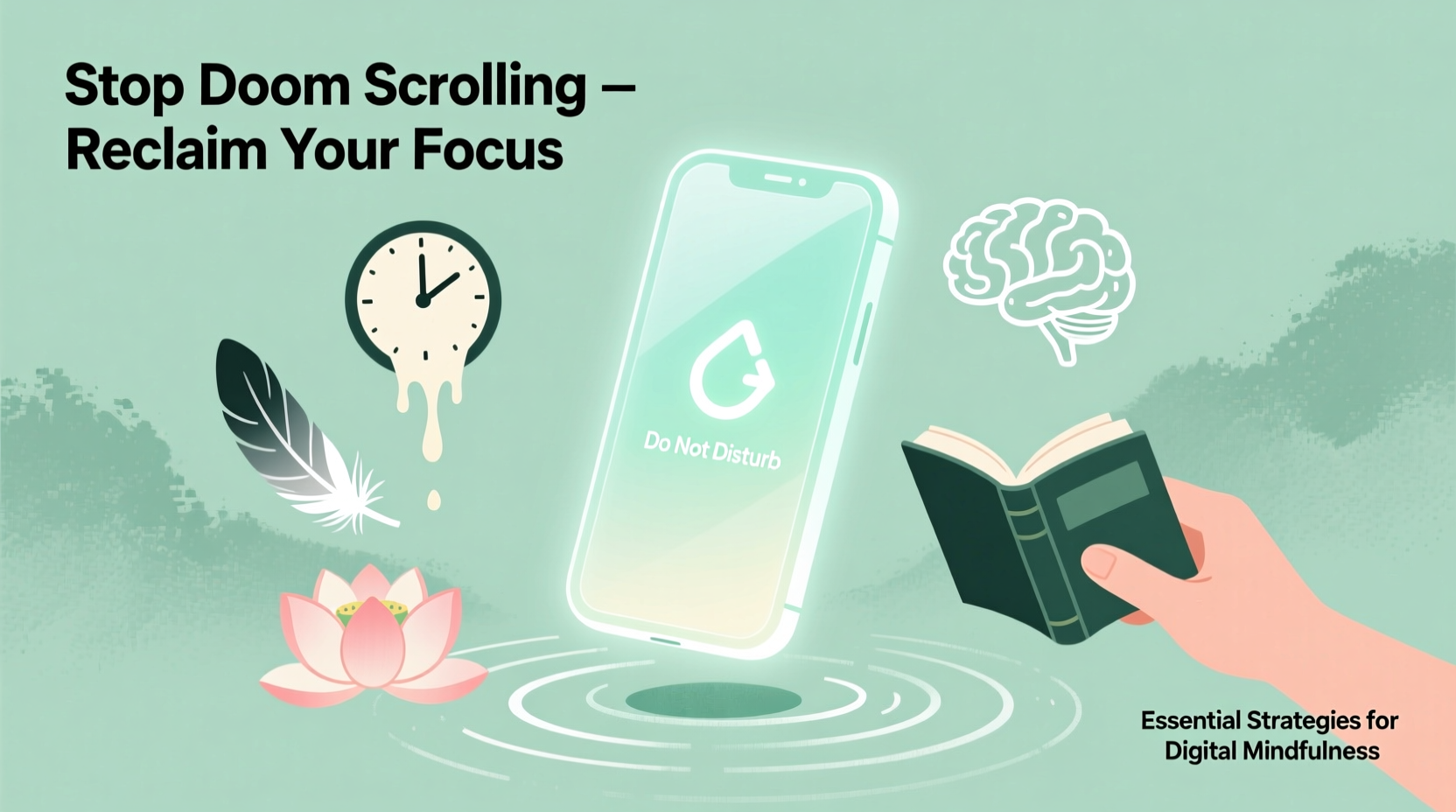
Doom scrolling isn’t just a harmless habit; it has measurable effects on mental health and cognitive function. Researchers have found that prolonged exposure to negative news triggers the brain’s threat response system, increasing cortisol levels—the hormone associated with stress. This constant state of low-grade alertness makes it harder to relax, sleep, or engage in deep work.
Equally damaging is its impact on attention. The rapid-fire nature of social media feeds conditions the brain to expect novelty every few seconds. As a result, sustained concentration on tasks like reading, writing, or problem-solving becomes increasingly difficult. A 2023 study published in *Nature Human Behaviour* showed that heavy social media users experienced a 15% decline in attention span over six months compared to light users.
“Digital environments are designed to capture attention, not nurture it. Reclaiming focus requires deliberate disengagement.” — Dr. Anna Kim, Cognitive Psychologist at Stanford University
Recognize the Triggers: What Fuels Your Scroll?
Before changing a behavior, it’s essential to understand what drives it. Doom scrolling rarely happens randomly—it’s usually triggered by emotional or environmental cues. Common triggers include:
- Boredom: Waiting in line, finishing work, or transitioning between tasks.
- Stress or anxiety: Seeking distraction from personal or global uncertainty.
- FOMO (fear of missing out): Believing important news or updates might be missed.
- Habit loops: Automatic phone-checking upon waking or before bed.
Once you identify your personal triggers, you can begin designing counter-strategies. For example, if you tend to scroll after dinner due to post-work fatigue, replacing that habit with a short walk or journaling session can disrupt the automatic loop.
Practical Strategies to Break the Cycle
Stopping doom scrolling isn't about willpower—it's about redesigning your environment and routines. Here are five evidence-based strategies to regain control.
1. Set Intentional Digital Boundaries
Unstructured access to devices makes compulsive use inevitable. Instead, define clear rules for usage:
- Limits app time using built-in tools (e.g., Screen Time on iOS, Digital Wellbeing on Android).
- Schedule “no-phone zones” such as meals, the first 30 minutes after waking, and one hour before bedtime.
- Turn off non-essential notifications—especially those from social media and news apps.
2. Curate Your Information Diet
You wouldn’t eat junk food all day—why consume digital junk? Be selective about what enters your feed:
- Unfollow or mute accounts that consistently trigger anxiety or outrage.
- Subscribe to newsletters or podcasts that deliver news in a balanced, weekly format instead of real-time alerts.
- Use RSS readers or curated aggregators to access information without algorithmic manipulation.
3. Replace the Habit with a Rewarding Alternative
Habits persist because they offer immediate rewards—even if harmful long-term. To replace doom scrolling, introduce a new behavior that provides similar satisfaction but supports well-being.
| Trigger | Old Behavior | New Replacement |
|---|---|---|
| Feeling anxious | Check Twitter/X for crisis updates | Practice 4-minute box breathing |
| Bored while commuting | Scroll Instagram | Listen to an audiobook or language lesson |
| Can’t sleep | Watch YouTube videos in bed | Read fiction under warm lighting |
| After finishing work | Open TikTok | Do a 5-minute stretch routine |
The key is ensuring the replacement activity delivers a quick win—something calming, engaging, or mildly pleasurable—to compete with the instant dopamine hit of scrolling.
4. Design Your Physical Environment
Your surroundings shape your behavior more than motivation ever will. Make scrolling inconvenient and alternatives accessible:
- Charge your phone outside the bedroom to prevent nighttime use.
- Keep devices in a drawer or bag during focused work sessions.
- Place books, sketchpads, or puzzles in visible spots where you usually scroll.
5. Practice Attention Training Exercises
Like a muscle, attention weakens without exercise. Strengthen it deliberately through focused activities:
- Single-tasking: Complete one task at a time without switching tabs or checking messages.
- Reading print material: Spend 20 minutes daily reading physical books or newspapers.
- Mindful observation: Sit quietly and focus on your breath or ambient sounds for 5–10 minutes.
These practices don’t need to be perfect. The goal is consistency—not duration.
A Real-Life Example: How Sarah Regained Her Focus
Sarah, a 34-year-old project manager, found herself spending up to three hours each night scrolling through news sites and social media. She described feeling “mentally exhausted but unable to stop.” After weeks of poor sleep and difficulty concentrating at work, she decided to intervene.
She started by tracking her usage and discovered that 70% of her screen time occurred between 9 PM and midnight, mostly triggered by work stress and loneliness. Using the strategies above, she implemented the following changes:
- Disabled all notifications except calls and texts.
- Installed a grayscale display mode at 8 PM to reduce visual appeal.
- Replaced evening scrolling with journaling and herbal tea.
- Joined a local pottery class to fill the social void.
Within four weeks, Sarah reduced her nightly screen time to under 45 minutes. More importantly, she reported improved sleep, greater clarity at work, and a renewed interest in hobbies. “I didn’t realize how much mental space I was giving away,” she said. “Now I feel like I’m back in the driver’s seat.”
Step-by-Step Guide to a Scroll-Free Evening
If your worst scrolling episodes happen at night, follow this structured routine to reset your habits:
- 6:30 PM: Close all work-related apps and shut down your computer.
- 7:00 PM: Eat dinner without screens. Engage in conversation or listen to music.
- 7:30 PM: Begin a relaxing activity—walking, stretching, or preparing tomorrow’s to-do list.
- 8:00 PM: Enable grayscale mode and activate “Focus Mode” on your phone.
- 8:30 PM: Read a physical book or magazine for at least 20 minutes.
- 9:00 PM: Start a wind-down ritual: dim lights, write in a gratitude journal, sip chamomile tea.
- 9:30 PM: Place phone in another room to charge. No exceptions.
This timeline creates friction between impulse and action—giving your rational mind time to reassert control.
Checklist: 7-Day Plan to Reduce Doom Scrolling
Use this actionable checklist to build momentum over one week:
- ☐ Day 1: Audit your screen time and identify top three time-wasting apps.
- ☐ Day 2: Delete or disable one app that contributes most to doom scrolling.
- ☐ Day 3: Set up a notification-free hour during your highest-risk time (e.g., post-dinner).
- ☐ Day 4: Introduce one analog alternative (e.g., crossword, coloring, instrument).
- ☐ Day 5: Charge phone outside the bedroom starting tonight.
- ☐ Day 6: Schedule two 15-minute mindfulness sessions using a timer (no app needed).
- ☐ Day 7: Reflect on changes in mood, sleep, and focus. Adjust strategy as needed.
FAQ: Common Questions About Stopping Doom Scrolling
Is doom scrolling a sign of anxiety or depression?
While not a clinical diagnosis, doom scrolling is strongly linked to underlying anxiety, rumination, and avoidance behaviors. It often worsens symptoms by flooding the brain with negative stimuli. If you notice persistent low mood or obsessive worry, consider speaking with a mental health professional.
Can I still stay informed without doom scrolling?
Absolutely. Choose trusted sources and limit intake to scheduled times—such as reading a reputable morning newsletter once per day. Avoid real-time updates unless necessary. Being informed doesn’t require constant monitoring.
What if I relapse and spend hours scrolling again?
Relapses are normal. Instead of self-criticism, practice curiosity: ask yourself what emotion or situation led to the lapse. Use it as data, not failure. Progress isn’t linear—what matters is returning to your intention.
Conclusion: Reclaim Your Mind, One Choice at a Time
Doom scrolling thrives in the gaps between intention and action. It exploits boredom, stress, and the design of platforms engineered to keep you engaged at any cost. But every time you choose to look away, pick up a book, go for a walk, or simply sit in silence, you’re rebuilding your capacity for presence and focus.
The goal isn’t perfection—it’s awareness. By understanding your triggers, reshaping your environment, and replacing destructive habits with meaningful ones, you gradually reclaim not just your attention span, but your sense of agency. In a world pulling you in a thousand directions, the ability to choose where your mind goes is one of the most powerful freedoms you can cultivate.




 浙公网安备
33010002000092号
浙公网安备
33010002000092号 浙B2-20120091-4
Comments
No comments yet. Why don't you start the discussion?