
Travel bags endure more stress than most people realize. From airport carousels to cramped overhead bins and bumpy taxi rides, the journey itself can take a toll on zippers, seams, and fabric. A damaged bag not only compromises your belongings but also adds unnecessary expense and frustration. Protecting your luggage isn’t just about choosing a sturdy brand—it’s about how you pack, handle, and maintain it. With the right habits, even an affordable bag can last through dozens of trips.
Choose the Right Bag for Your Travel Style
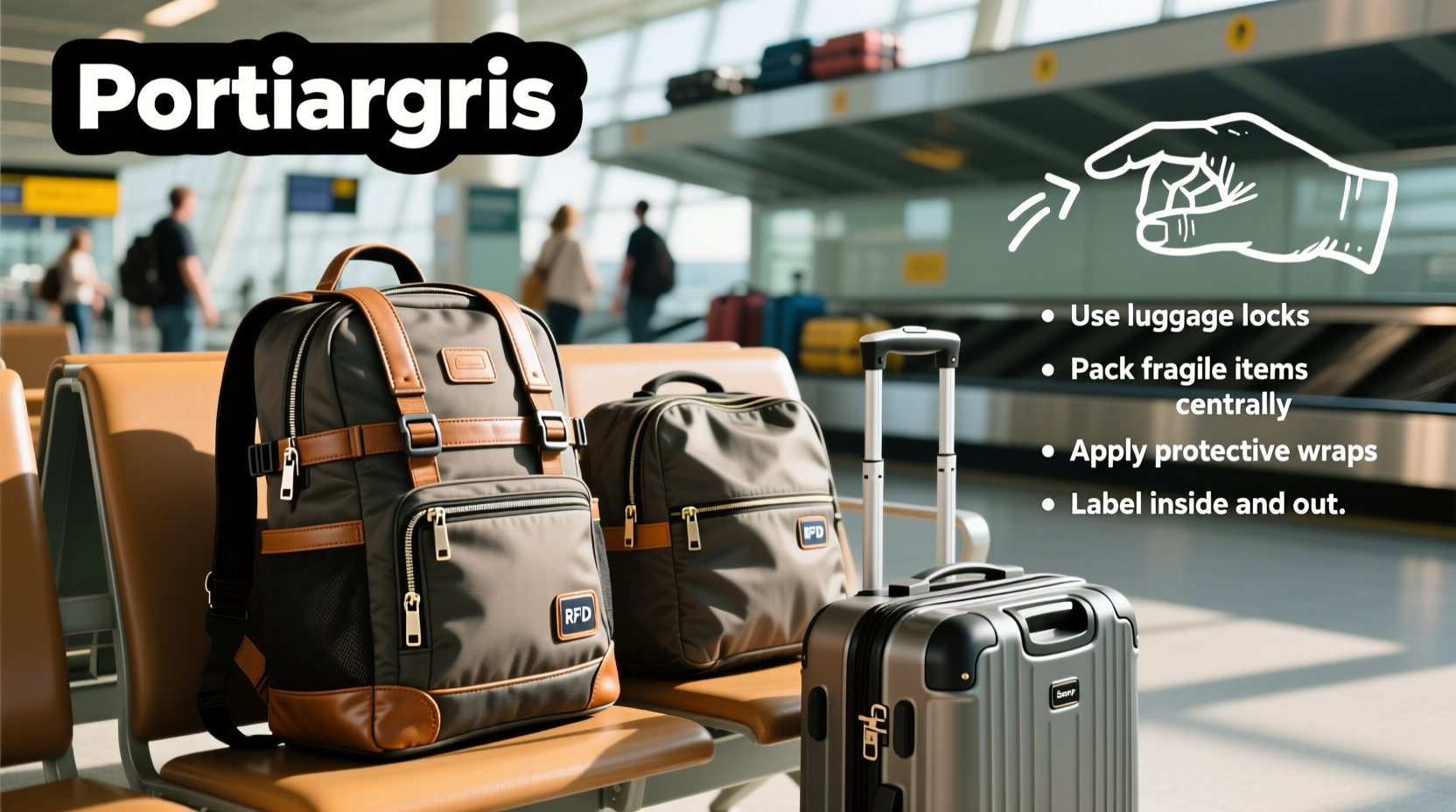
The foundation of protection starts before departure. Not all bags are built for the same conditions. A carry-on backpack used for weekend city breaks faces different challenges than a checked suitcase on a three-week international tour. Assess your typical travel pattern: frequency, destinations, transport methods, and packing volume.
Rigid-shell suitcases offer excellent impact resistance and water resistance but are prone to cracking under extreme pressure or cold temperatures. Soft-sided bags made from ballistic nylon or polyester are lighter, more flexible, and often easier to compress—but may wear faster at stress points like corners and handles.
Material Comparison: Pros and Cons
| Material | Pros | Cons |
|---|---|---|
| Polycarbonate (Hard Shell) | Impact-resistant, waterproof, retains shape | Fragile in freezing temps, scratches easily, heavier |
| Ballistic Nylon | Durable, abrasion-resistant, lightweight | Can stain, not fully waterproof, prone to fraying over time |
| Polyester (Soft Shell) | Affordable, flexible, often water-resistant | Loses shape when overstuffed, less protective against drops |
| Leather Trim / Accents | Stylish, ages well with care | Requires conditioning, vulnerable to moisture and scuffs |
“Investing in a high-quality bag is only half the battle. How you use and maintain it determines its real lifespan.” — Marcus Tran, Luggage Design Engineer at GlobeTrek Gear
Master the Art of Smart Packing
Overpacking is one of the leading causes of broken zippers, strained handles, and deformed frames. When a bag is stretched beyond capacity, stress concentrates at weak points. Distribute weight evenly and leave room for compression during transit.
Roll soft clothing instead of folding—it saves space and reduces creasing. Use packing cubes to organize items by category (e.g., tops, underwear, electronics). This prevents shifting during movement and makes unpacking efficient. For fragile items like toiletries, place them in sealed silicone pouches and position them near the center of the bag, surrounded by cushioning clothes.
Step-by-Step: Secure Packing Routine
- Start with a clean interior: Wipe down compartments and ensure no debris remains.
- Place heaviest items at the bottom: Near the wheels for balanced rolling.
- Use packing cubes: Separate categories and compress contents gently.
- Wrap delicate accessories: Belts, scarves, or jewelry should be rolled inside garments.
- Leave 15–20% empty space: Allows for expansion and reduces strain.
- Secure loose straps: Tuck them into side pockets or fasten with clips.
Protect Against Environmental Damage
Weather, UV exposure, and airport handling equipment pose silent threats. Leaving a bag in direct sunlight for hours can fade colors and weaken synthetic fibers. Moisture breeds mildew, especially in canvas or fabric-lined interiors. Dust and grit accumulate in zippers, accelerating wear.
Always store your bag in a breathable dust bag when not in use. Avoid plastic covers—they trap moisture and encourage mold. After returning from a humid destination, unzip all compartments and let the bag air out for 24–48 hours in a dry, ventilated area.
If caught in rain, wipe down exterior surfaces with a microfiber cloth and allow the bag to dry upright, away from radiators or direct heat sources. Never use a hairdryer or heater to speed up drying—this can warp plastic components and crack glued seams.
Mini Case Study: The Monsoon Trip That Saved a Bag
Sophie, a freelance photographer traveling through Southeast Asia, arrived at her hotel during a sudden downpour. Her soft-shell duffel was soaked, and she noticed water seeping into the main compartment. Instead of sealing it in a plastic bin, she immediately removed all contents, propped the bag open with a hanger, and placed it near a fan in her room. She wiped the lining daily for three days. Thanks to this quick response, mildew never set in, and the bag remained functional for another 18 months of tropical travel.
Pre-Trip and Post-Trip Maintenance Checklist
Regular maintenance extends a bag’s life far more than any single upgrade. Incorporate these actions into your routine before and after each journey.
Pre-Departure Checklist
- Inspect zippers for smooth operation; lubricate if stiff.
- Check wheels for wobbling or debris.
- Tighten loose screws on handles or hinges.
- Clean stains or dirt spots with appropriate cleaner.
- Apply water-repellent spray to fabric exteriors (avoid leather).
- Attach a durable luggage tag with updated contact info.
Post-Trip Checklist
- Empty all compartments completely.
- Vacuum or shake out dust and crumbs.
- Wipe down hard surfaces with disinfectant wipes.
- Condition leather handles or trim monthly.
- Store in a cool, dry place—never in a garage or attic.
- Leave zippers slightly open to prevent tension buildup.
Frequently Asked Questions
Can I wash my travel bag in a washing machine?
No, unless the manufacturer explicitly states it's safe. Most travel bags contain structural reinforcements, metal parts, and coatings that can be ruined by agitation and detergent. Spot-clean with mild soap and water instead.
How do I fix a stuck zipper without breaking it?
First, try gently wiggling the slider while applying light pressure. If it’s jammed by fabric, pull the material free with tweezers. For friction, rub the teeth with a graphite pencil or zipper lubricant. Avoid pliers—they often cause permanent damage.
Is it worth repairing a torn strap or cracked corner?
Yes, if the bag is otherwise in good condition. Many brands offer repair services, or local cobbler shops can reinforce stitching and replace webbing. A $20 fix can save a $200 bag.
Final Thoughts: Make Protection a Habit
Safeguarding your travel bag doesn’t require expensive products or complex rituals. It comes down to consistent attention—packing thoughtfully, shielding from the elements, and performing simple upkeep. These habits compound over time, turning a single trip’s precautions into years of reliable service.
Your travel bag is more than luggage; it’s a companion through adventures, delays, and unexpected detours. Treat it with care, and it will protect your essentials just as faithfully.




 浙公网安备
33010002000092号
浙公网安备
33010002000092号 浙B2-20120091-4
Comments
No comments yet. Why don't you start the discussion?